

Class: primary 6
Term: Third Term
Subject: Pre-Vocational Studies
Curriculum Theme: Home Economics
Previous Lesson: Meaning of hygiene and kitchen hygiene
Topic: Kitchen
Content/Learning Area: Materials Needed to Keep the Kitchen Clean
Time Allocation: 40 Minutes
Performance Objectives
By the end of the lesson, pupils should be able to:
- Cognitive Domain: Explain the importance of using specific materials for kitchen cleanliness.
- Affective Domain: Show willingness to participate in maintaining a clean kitchen habitat.
- Psychomotor Domain: Demonstrate the proper use of cleaning materials in the kitchen.
- Social Domain: Cooperate wiht peers in discussing and identifying cleaning materials.
Reference Materials
- 9 Years Basic Education Curriculum
- Abuja Educational Resource Center Scheme of work
- NAPPS National Unified Scheme of Work
- basic Science and Technology for Primary Schools, Book 6
- Home Economics for Primary Schools, Book 6
Instructional Materials
To deliver this lesson, the teacher will use the following materials: charts illustrating cleaning materials, samples of cleaning materials (mop, bucket, broom, detergent), and pictures of clean and dirty kitchens.
Rationale for the Lesson
Maintaining a clean kitchen is crucial for preventing foodborne illnesses and ensuring a healthy living environment. this lesson equips pupils with the knowledge of essential cleaning materials.
Prerequisite/Previous Knowledge
Pupils are familiar with the concept of cleanliness and hygiene in their homes.
Lesson Content
Kitchen Cleanliness Materials
Essential Cleaning Materials
Maintaining a clean kitchen requires specific materials to effectively remove dirt, grease, and bacteria.
- Mop – Used for cleaning floors.
- Bucket – Holds water and cleaning solutions.
- Broom – Used for sweeping floors and removing debris.
- Water – Essential for rinsing and diluting cleaning agents.
- Detergent – Used for washing dishes and surfaces.
- Disinfectant – Kills germs and bacteria on surfaces.
- Scrubbing Brush – Used for cleaning stubborn stains and grime.
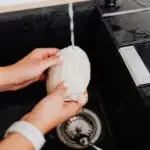
- Cleaning Cloths/Sponges – Used for wiping surfaces and cleaning spills.
- Hand Gloves – Protect hands from harsh chemicals and germs.
- Trash Bags – For disposing of waste properly.
Kitchen-cleaning Materials and Their Uses
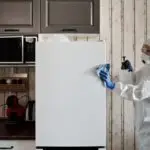
Useful materials include clean water, detergent, brushes, cloths, mops, bins and correctly labelled cleaning products. Different cloths or tools should be assigned to food-contact areas, floors and toilets to prevent cross-contamination.
Read labels, use the correct amount, ventilate the area and never mix bleach with acids or ammonia.
Teaching Methods
To deliver this lesson, the teacher will adopt the following methods: Discussion, Explanation, Presentation, Visual Aids, Question and Answer.
Instructional Procedures
To deliver this lesson, the teacher will adopt the following steps:
Step 1: Introduction
Time: 5 Minutes
Teaching skill: Set Induction
Teacher’s Activity: Engages pupils by asking about their experiences with kitchen cleaning at home and the tools they use.Pupils’ Activity: Share their experiences and list some cleaning tools they know.
step 2: Identifying Cleaning Materials
Time: 10 Minutes
Teaching Skill: Explanation
Teacher’s Activity: Displays charts and samples of cleaning materials,explaining each material’s purpose and proper use.
Pupils’ Activity: Observe the materials and ask questions about their uses.
Step 3: Demonstration of Cleaning Techniques
Time: 10 Minutes
Teaching skill: Demonstration
teacher’s Activity: Demonstrates how to use the cleaning materials effectively, emphasizing safety precautions.Pupils’ Activity: Watch the demonstration and take notes on the proper techniques.
Step 4: Group Discussion
Time: 5 Minutes
Teaching Skill: Discussion
Teacher’s Activity: Facilitates a group discussion on the importance of using the right materials for kitchen cleanliness.
Pupils’ Activity: Participate in the discussion, sharing their thoughts and ideas.
Step 5: Note-Taking
Time: 5 Minutes
Teaching Skill: Explanation
Teacher’s Activity: Guides pupils to summarize the lesson’s key points in their notebooks.
Pupils’ Activity: Write down the vital points about kitchen cleaning materials.
Step 6: Evaluation/Review
Time: 3 Minutes
Teaching Skill: Questioning
Teacher’s Activity: Asks questions to assess pupils’ understanding of the lesson.Pupils’ Activity: Answer the questions to demonstrate their understanding.
Objective-aligned checks:
- Explain the importance of using specific materials for kitchen cleanliness.
- Demonstrate the proper use of cleaning materials in the kitchen.
Step 7: Conclusion
Time: 2 Minutes
Teaching Skill: Summarization
Teacher’s Activity: Summarizes the main points of the lesson and assigns homework.
Pupils’ Activity: Listen to the summary and note the homework assignment.
Lesson Keywords
- Mop – A tool for cleaning floors.
- Detergent – A cleaning agent for washing dishes and surfaces.
- Disinfectant – A substance that kills germs and bacteria.
- Hygiene – Practices that promote cleanliness and health.
- Sanitation – Maintaining clean and healthy living conditions.
Lesson Evaluation
To evaluate the learning, the teacher asks pupils to:
- List five materials needed to keep the kitchen clean.
- Explain the purpose of using detergent in the kitchen.
- Demonstrate how to properly use a mop to clean the floor.
Assignment/homework
- List ten materials found in yoru kitchen at home.
- Write a short paragraph on why it is important to keep the kitchen clean.
- Help your parents clean the kitchen and list the materials you used.
Differentiation
- For slower learners: Provide simplified charts and one-on-one guidance during the demonstration.
- For advanced learners: Research and present on different types of disinfectants and their uses.
- For visual/auditory/kinesthetic learners: Use visual aids, verbal explanations, and hands-on activities to cater to different learning styles.
Note for teachers
Ensure that all cleaning materials used for demonstration are safe and non-toxic. Emphasize the importance of adult supervision when pupils are involved in kitchen cleaning activities at home.
Community Join the conversation Open discussion +