

Class: Junior Secondary School 3 (JSS3, JSS 3)
Term: 1st Term
Week: 8
Age: 14 years
Duration: 45 minutes
Subject: Basic Science And Technology
Curriculum Theme: Basic Science
Previous Lesson: Flooding: Drainage Patterns, Causes, Effects, and Prevention
Topic: Deforestation
Subject Matter: Reasons for deforestation e.g. commercial and domestic firewood, Effects on the environment, Regulations on deforestation
Specific Objectives
By the end of the lesson, pupils should be able to:
- Cognitive Domain:
(a) Identify the major reasons for deforestation.
(b) Explain the effects of deforestation on the environment.
(c) State some regulations and control measures for deforestation. - Affective Domain:
(a) Appreciate the importance of preserving forests for environmental balance.
(b) Develop a responsible attitude towards tree planting and conservation. - Psychomotor Domain:
(a) Participate in role-play or poster design to promote anti-deforestation awareness. - Social Domain:
(a) Cooperate in groups to discuss how their communities can help prevent deforestation.
Reference Materials
The following resources was used in planning this lesson:
- 9 Years Basic Education Curriculum
- Lagos State Unified Scheme of work for Junior Secondary Schools
- National Geographic – “Deforestation Explained” (https://education.nationalgeographic.org/resource/deforestation/)
- Relevant Textbooks
Instructional Materials
The teacher will teach this lesson with the aid of:
- Charts showing deforested and forested areas
- Pictures or short videos of logging and forest fires
- Samples or drawings of trees and forest animals
- Flashcards listing causes and effects of deforestation
- Whiteboard and marker
Rationale for the Lesson
This lesson helps students understand why trees are cut down, how deforestation affects the environment, and the need to follow laws that protect forests for sustainable living.
Prerequisite/Previous Knowledge
Pupils have basic knowledge of vegetation, forest resources, and human activities affecting the environment from previous lessons.
Lesson Content/Board Summary
Deforestation
Reasons for Deforestation
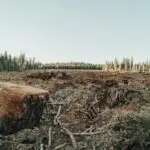
Deforestation is the large-scale cutting down or clearing of trees from forests without adequate replanting. It is mainly caused by human activities for survival, development, and commerce.
The following are the major reasons for deforestation:
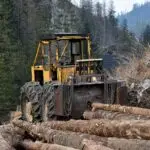
- Commercial logging: Cutting trees for timber and wood products.
- Agricultural expansion: Clearing forest land for farming and livestock.
- Domestic firewood: Cutting trees for cooking fuel in rural areas.
- Urbanization: Building of roads, houses, and industries.
- Mining activities: Clearing forests to extract minerals and resources.
- Bush burning: Deliberate or careless burning of vegetation for hunting or land clearing.
- Overpopulation: Increased human needs leading to overuse of forest resources.
Effects of Deforestation on the Environment
Deforestation causes several harmful effects on the ecosystem and human life. It affects the soil, water, air, and biodiversity negatively.
The following are the effects of deforestation on the environment:
- Loss of animal and plant habitats leading to extinction.
- Increase in soil erosion and loss of soil fertility.
- Irregular rainfall and drought due to reduced water cycle.
- Increased greenhouse gases causing global warming.
- Flooding as a result of lack of trees to absorb rainfall.
- Loss of natural beauty and reduction in tourism potential.
- Disruption of environmental balance and oxygen supply.
Regulations on Deforestation
Regulations on deforestation are government and community laws or guidelines that control or restrict tree cutting to protect the environment.
The following are some regulations on deforestation:
- Establishment of forest reserves and protected areas.
- Enforcing tree felling permits before cutting down trees.
- Promoting afforestation and reforestation programmes.
- Educating citizens on forest conservation practices.
- Banning indiscriminate bush burning and illegal logging.
- Encouraging the use of alternative energy sources like gas and solar instead of firewood.
Teaching Methods/Instructional Techniques:
Discussion, Lecture, Explanation, Question and Answer, Demonstration, Group Work, Storytelling, Visual Aids
Instructional Procedures
To deliver this lesson, the teacher will adopt the following steps:
Step 1: Introduction
Time: 5 minutes
Teaching Skill: Set Induction
Teacher’s Activity: The teacher asks pupils to describe what happens when trees are cleared in their communities and shows pictures of deforested areas.
Pupils’ Activity: Pupils observe and respond by sharing their experiences of forest clearing.
Learning Point: Pupils recall knowledge about forests and are introduced to the topic of deforestation.
Step 2: Reasons for Deforestation
Time: 10 minutes
Teaching Skill: Explanation
Teacher’s Activity: The teacher explains and lists major reasons for deforestation with examples such as logging, farming, and mining.
Pupils’ Activity: Pupils listen, identify examples, and note the reasons.
Learning Point: Pupils understand the human and environmental factors causing deforestation.
Step 3: Effects of Deforestation
Time: 10 minutes
Teaching Skill: Discussion
Teacher’s Activity: The teacher discusses the effects of deforestation on the environment using pictures and real-life examples.
Pupils’ Activity: Pupils participate in discussion and mention observed effects in their locality.
Learning Point: Pupils understand how deforestation affects the environment negatively.
Step 4: Regulations on Deforestation
Time: 10 minutes
Teaching Skill: Explanation
Teacher’s Activity: The teacher explains laws and measures that help reduce deforestation and shows examples of forest conservation projects.
Pupils’ Activity: Pupils identify and suggest ways to protect trees and forests.
Learning Point: Pupils learn the importance of enforcing laws and replanting trees.
Step 5: Note-Taking
Time: 5 minutes
Teaching Skill: Explanation
Teacher’s Activity: The teacher writes the board summary for pupils to copy into their notes.
Pupils’ Activity: Pupils copy the note correctly.
Learning Point: Pupils have a complete written record of the lesson.
Step 6: Evaluation/Review
Time: 3 minutes
Teaching Skill: Questioning
Teacher’s Activity: The teacher evaluates the learning by asking the following questions:
- Mention four reasons for deforestation.
- List three effects of deforestation on the environment.
- State three regulations that can help control deforestation.
Pupils’ Activity: Pupils respond to questions orally.
Learning Point: Pupils demonstrate understanding of the lesson objectives.
Step 7: Conclusion
Time: 2 minutes
Teaching Skill: Reinforcement
Teacher’s Activity: The teacher summarizes the lesson and encourages pupils to plant trees and discourage bush burning.
Pupils’ Activity: Pupils listen and make commitments to protect trees.
Learning Point: Pupils are motivated to care for the environment.
Lesson Keywords
- Deforestation – clearing or cutting down trees from a forested area.
- Afforestation – planting trees in areas without forest cover.
- Reforestation – planting trees to replace those that were cut down.
- Erosion – wearing away of soil by water or wind.
- Conservation – careful use and protection of natural resources.
Differentiation
Teacher provides visual materials for learners with difficulty understanding theory, simplifies explanations for slower learners, and assigns leadership roles to advanced pupils in group discussions.
Note for teachers using this lesson plan
Use relatable community examples such as firewood collection or farming to make the lesson practical. Reinforce learning with short environmental projects like “Plant a Tree Week.”

Community Join the conversation Open discussion +