

Class: Junior Secondary School 3 (JSS3, JSS 3)
Term: 1st Term
Week: 9
Age: 14 years
Duration: 45 minutes
Subject: Basic Science And Technology
Curriculum Theme: Basic Science
Previous Lesson: Deforestation: Reasons, Effects, and Regulations
Topic: Desertification
Subject Matter: Definition, Geographical area, Causes such as overgrazing, bush burning, cutting trees for firewood etc. Control measures
Specific Objectives
By the end of the lesson, pupils should be able to:
- Cognitive Domain:
(a) Define desertification and identify areas in Nigeria affected by it.
(b) Mention and explain the major causes of desertification.
(c) State various control measures of desertification. - Affective Domain:
(a) Develop a sense of responsibility toward environmental protection.
(b) Show interest in tree planting and conservation practices. - Psychomotor Domain:
(a) Participate in group activities illustrating control measures of desertification. - Social Domain:
(a) Work cooperatively in teams to suggest ways of preventing desertification in their communities.
Reference Materials
The following resources was used in planning this lesson:
- 9 Years Basic Education Curriculum
- Lagos State Unified Scheme of work for Junior Secondary Schools
- United Nations Convention to Combat Desertification (UNCCD) – “What is Desertification?” (https://www.unccd.int/land-and-life/desertification)
- Relevant Textbooks
Instructional Materials
The teacher will teach this lesson with the aid of:
- Maps of Nigeria showing desert-prone areas
- Pictures or charts showing desert land and vegetation loss
- Samples of dry soil and green vegetation for comparison
- Video clips or slides showing effects of desertification
- A model showing tree planting and irrigation practices
Rationale for the Lesson
This lesson helps pupils understand how human activities and natural factors cause desertification and the steps that can be taken to control it for sustainable land use and healthy environments.
Prerequisite/Previous Knowledge
Pupils are familiar with the concepts of soil, vegetation, and deforestation from previous lessons and have seen dry or barren lands in their environment.
Lesson Content/Board Summary
Desertification
Desertification is the gradual transformation of fertile and productive land into desert or barren land due to human activities and climatic factors. It reduces soil fertility and affects both plants and animals.
Geographical Areas Affected by Desertification
In Nigeria, desertification mostly occurs in the northern part of the country, especially in arid and semi-arid zones where rainfall is low and vegetation is sparse.
The following are major areas affected by desertification in Nigeria:
- Borno State
- Yobe State
- Sokoto State
- Katsina State
- Kano State
- Jigawa State
- Zamfara State
Causes of Desertification
Desertification results from a combination of natural and human-induced factors.
The following are the main causes of desertification:
- Overgrazing: Excessive grazing by animals destroys vegetation cover and exposes the soil to erosion.
- Bush Burning: Frequent burning of vegetation destroys soil nutrients and organic matter.
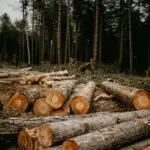
- Deforestation: Cutting down trees for fuel or construction reduces the number of plants that protect the soil.
- Poor Farming Practices: Continuous cropping and improper irrigation lead to soil exhaustion.
- Climate Change: Reduced rainfall and increased temperature cause soil dryness.
- Overpopulation: Increased demand for farmland and firewood leads to overexploitation of land resources.
Control Measures of Desertification
Desertification can be prevented or controlled through various conservation and management practices.
The following are control measures of desertification:
- Afforestation and Reforestation: Planting new trees and replacing lost vegetation.
- Controlled Grazing: Limiting the number of animals and rotating grazing areas.
- Use of Windbreaks: Planting trees or shrubs to reduce wind speed and prevent soil erosion.
- Soil Conservation Practices: Applying organic manure, mulching, and contour ploughing to retain soil moisture.
- Irrigation and Water Management: Proper irrigation methods to prevent land from drying out.
- Public Awareness Campaigns: Educating people on the importance of land protection.
- Legislation and Government Policies: Enforcing laws to protect forests and manage land use.
Teaching Methods/Instructional Techniques:
Lecture, Discussion, Explanation, Demonstration, Group Work, Visual Aids, Question and Answer
Instructional Procedures
To deliver this lesson, the teacher will adopt the following steps:
Step 1: Introduction
Time: 5 minutes
Teaching Skill: Set Induction
Teacher’s Activity: The teacher shows pictures of dry and green land and asks pupils what differences they notice. Leads discussion to reveal the concept of desertification.
Pupils’ Activity: Pupils observe and respond to teacher’s questions.
Learning Point: Pupils gain awareness of the appearance and nature of desertified land.
Step 2: Geographical Areas Affected by Desertification
Time: 8 minutes
Teaching Skill: Explanation
Teacher’s Activity: The teacher shows a map of Nigeria and identifies desert-prone states.
Pupils’ Activity: Pupils locate and name states on the map.
Learning Point: Pupils identify areas of Nigeria affected by desertification.
Step 3: Causes of Desertification
Time: 10 minutes
Teaching Skill: Discussion
Teacher’s Activity: The teacher explains the causes of desertification using examples like bush burning and overgrazing.
Pupils’ Activity: Pupils mention similar cases observed in their environment.
Learning Point: Pupils understand the major causes of desertification.
Step 4: Control Measures of Desertification
Time: 10 minutes
Teaching Skill: Demonstration
Teacher’s Activity: The teacher demonstrates control practices such as planting seedlings and shows pictures of irrigation systems.
Pupils’ Activity: Pupils participate in demonstrating planting methods.
Learning Point: Pupils learn how to prevent or control desertification.
Step 5: Note-Taking
Time: 5 minutes
Teaching Skill: Explanation
Teacher’s Activity: The teacher writes the board summary for pupils to copy.
Pupils’ Activity: Pupils copy notes into their books.
Learning Point: Pupils have a written record of the lesson.
Step 6: Evaluation/Review
Time: 5 minutes
Teaching Skill: Questioning
Teacher’s Activity: The teacher evaluates the learning by asking the following questions:
- What is desertification?
- Mention three states in Nigeria affected by desertification.
- List four causes of desertification.
- State three control measures of desertification.
Pupils’ Activity: Pupils answer questions orally.
Learning Point: Pupils demonstrate comprehension of desertification and its control.
Step 7: Conclusion
Time: 2 minutes
Teaching Skill: Reinforcement
Teacher’s Activity: The teacher summarizes the lesson and encourages pupils to protect the environment by planting trees.
Pupils’ Activity: Pupils listen and respond positively.
Learning Point: Pupils appreciate the importance of combating desertification.
Lesson Keywords
- Desertification – turning of fertile land into desert.
- Overgrazing – allowing animals to eat grass excessively, leaving soil bare.
- Deforestation – cutting down trees without replacement.
- Afforestation – planting new trees in areas without forest.
- Erosion – washing away of topsoil by wind or water.
Differentiation
Teacher simplifies explanations for slower learners using visual aids, while faster learners lead group discussions on control measures.
Note for teachers using this lesson plan
Ensure pupils relate the lesson to real-life situations in their communities. Encourage practical participation and emphasize the role of tree planting in environmental protection.


Community Join the conversation Open discussion +