

Note for teachers using this lesson plan
This lesson focuses on the critical issue of soil degradation, specifically its causes. Teachers should prepare visual aids like charts, pictures, or video clips showing different forms of soil degradation to make the concept concrete. Emphasise the practical implications of these causes on agricultural productivity and the environment. By the end of the lesson, learners should be able to clearly identify and explain the various factors leading to soil degradation.
Class: SS 1
Term: Second Term
Week: 8
Age: 15 years
Duration: 60 minutes
Subject: Agricultural Science
Curriculum Theme: Agricultural management
Focal competence: Conserving the soil
Key competencies/values: Environmental Literacy; Leadership
Skills:
- Planting of cover crops to reduce soil erosion
Previous Lesson: Methods of soil conservation
Topic: Soil Conservation: Causes Of Soil Degradation
Subject Matter: Causes of soil degradation
Specific Objectives
By the end of the lesson, pupils/students should be able to:
Cognitive Domain
- Define soil degradation.
- Discuss the causes of soil degradation.
- List various factors that lead to soil degradation.
Affective Domain
- Appreciate the negative impact of soil degradation on agriculture and the environment.
- Develop a sense of responsibility towards preventing soil degradation.
Psychomotor Domain
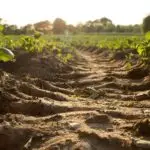
- Identify signs of soil degradation on a school farm or in pictures.
- Suggest basic methods to prevent soil degradation, such as planting cover crops.
Reference Materials
The following resources were used in planning this lesson:
- 2025 New Revised Senior Secondary Education Curriculum (SSEC)
- Relevant State Unified Scheme of Work
- The HeadTeacher Scheme of work For The New Revised Senior Secondary Education Curriculum (SSEC)
- Agricultural Science for Senior Secondary Schools, Book 1
Instructional Materials
The teacher will teach this lesson with the aid of:
- Video clips showing methods of soil conservation
- School farm
- Charts illustrating causes of soil degradation
- Pictures of degraded land (e.g., eroded areas, deforested land, burnt fields)
Rationale for the Lesson
Understanding the causes of soil degradation is fundamental to maintaining healthy and productive agricultural land. This lesson equips students with the knowledge to identify practices and natural processes that harm soil, thereby laying the groundwork for effective soil conservation strategies. It directly supports sustainable agriculture and environmental stewardship.
Prerequisite/Previous Knowledge
Pupils/students should have a basic understanding of soil components and the importance of soil for plant growth.
Lesson Content/Board Summary
Soil Conservation: Causes Of Soil Degradation
What is Soil Degradation?
Soil degradation refers to the decline in soil quality, which results in a reduction in its capacity to support plant growth and perform other ecosystem functions. This decline can involve loss of fertility, deterioration of soil structure, erosion, salinisation, and contamination.
Causes of Soil Degradation
Soil degradation can be caused by various factors, both natural and human-induced. The main causes include:
- Erosion: This is the process by which topsoil, the most fertile layer of soil, is removed from the land surface by natural agents.
- Water Erosion: Occurs when water washes away soil particles. Types include:
- Sheet Erosion: Uniform removal of thin layers of soil by runoff water.
- Rill Erosion: Formation of small, temporary channels (rills) by concentrated water flow.
- Gully Erosion: Formation of large, deep channels (gullies) by severe water flow, making the land unusable.
- Wind Erosion: Occurs when strong winds lift and transport loose soil particles, especially in dry, bare areas.
- Water Erosion: Occurs when water washes away soil particles. Types include:
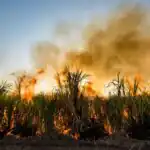
- Bush Burning: The uncontrolled burning of vegetation, often practised to clear land or hunt. This practice destroys organic matter, beneficial soil microorganisms, and exposes the soil to erosion, leading to nutrient loss and reduced fertility.
- Deforestation: The clearing of forests and removal of trees without sufficient reforestation. Tree roots help bind soil particles together, and their canopy protects the soil from direct impact of rain and wind. Deforestation leaves the soil exposed, making it highly susceptible to erosion and nutrient leaching.
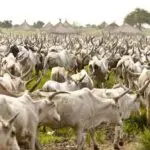
- Overgrazing: Occurs when too many livestock graze on a piece of land for an extended period, consuming vegetation faster than it can regenerate. This removes protective plant cover, compacts the soil, and exposes it to erosion by wind and water.
- Poor Farming Practices: Agricultural methods that deplete soil nutrients and damage soil structure.
- Continuous Cropping: Growing the same crop on the same land season after season without replenishing nutrients, leading to severe nutrient depletion.
- Excessive Tillage: Frequent and deep ploughing can break down soil structure, reduce organic matter, and increase the risk of erosion.
- Monoculture: Growing a single crop over a large area, which can lead to specific nutrient deficiencies and increased susceptibility to pests and diseases, often requiring more chemical inputs that can harm soil.
- Industrial Activities and Pollution: Industrial processes can release pollutants into the environment that contaminate soil. This includes chemical spills, heavy metal contamination, and acid rain, which can alter soil pH and render it toxic for plant growth.
Teaching Methods/Instructional Techniques
Discussion, Explanation, Question and Answer, Demonstration, Guided Practice, Observation, Video Presentation
Instructional Procedures
Step 1: Introduction
Time: 5 minutes
Teaching Skill: Activating Prior Knowledge
Teacher’s Activity: The teacher greets the students and asks them to recall what they learned about the importance of soil for plant growth. The teacher then introduces the topic, “Causes of Soil Degradation,” explaining that healthy soil can lose its quality over time.
Pupils’ Activity: Pupils respond to the teacher’s questions and listen attentively to the introduction of the new topic.
Learning Point: Soil importance recall
Step 2: Explanation of Soil Degradation
Time: 10 minutes
Teaching Skill: Explanation/Definition
Teacher’s Activity: The teacher defines soil degradation and explains that it is the decline in soil quality and its ability to support life. The teacher uses simple examples to illustrate what it means for soil to lose its fertility or structure.
Pupils’ Activity: Pupils listen, ask questions for clarity, and contribute their initial ideas on what might make soil “bad.”
Learning Point: Meaning of soil degradation
Step 3: Discussion on Erosion as a Cause
Time: 10 minutes
Teaching Skill: Discussion/Illustration
Teacher’s Activity: The teacher guides students to brainstorm on erosion as a major cause of soil degradation. The teacher explains water erosion (sheet, rill, gully) and wind erosion, showing pictures or pointing out examples on the school farm if visible.
Pupils’ Activity: Pupils participate in the brainstorming, identify different types of erosion, and observe the provided pictures/examples.
Learning Point: Erosion as degradation cause
Step 4: Discussion on Bush Burning and Deforestation
Time: 10 minutes
Teaching Skill: Explanation/Questioning
Teacher’s Activity: The teacher explains how bush burning destroys organic matter and soil organisms, and how deforestation removes protective tree cover, both leading to soil degradation. The teacher asks students about local examples of these practices.
Pupils’ Activity: Pupils listen, share observations from their communities, and discuss the impacts of bush burning and deforestation.
Learning Point: Bush burning, deforestation impacts
Step 5: Discussion on Other Causes
Time: 5 minutes
Teaching Skill: Guided Discussion
Teacher’s Activity: The teacher introduces other causes like overgrazing, poor farming practices (continuous cropping, excessive tillage), and industrial pollution. The teacher briefly explains how each contributes to soil degradation.
Pupils’ Activity: Pupils listen and ask questions for clarification on these additional causes.
Learning Point: Other degradation causes
Step 6: Reinforcement and Video Clip
Time: 5 minutes
Teaching Skill: Visual Learning/Reinforcement
Teacher’s Activity: The teacher summarises the causes discussed and then plays a short video clip that illustrates soil degradation and briefly touches on methods of soil conservation, as per the activity. The teacher guides students to identify signs of degradation and some conservation methods shown.
Pupils’ Activity: Pupils watch the video clip, identify causes of degradation, and note methods of conservation shown.
Learning Point: Degradation causes identification
Step 7: Evaluation/Review
Time: 5 minutes
Teaching Skill: Questioning/Assessment
Teacher’s Activity: The teacher evaluates the learning by asking the following questions:
- What is soil degradation?
- Mention three causes of soil degradation.
- How does deforestation lead to soil degradation?
- Suggest one way to prevent soil erosion.
Pupils’ Activity: Pupils answer orally and in writing.
Learning Point: Understanding soil degradation causes
Step 8: Note-Taking
Time: 10 minutes
Teaching Skill: Guided Writing
Teacher’s Activity: The teacher guides pupils/students to copy the essential Board Summary notes on the definition and causes of soil degradation into their notebooks.
Pupils’ Activity: Pupils/students copy the notes carefully into their notebooks.
Learning Point: Recording lesson information
Step 9: Conclusion
Time: 5 minutes
Teaching Skill: Consolidation
Teacher’s Activity: The teacher briefly reinforces the main lesson idea by reiterating the importance of understanding the causes of soil degradation for sustainable agriculture. The teacher encourages students to be mindful of practices that affect soil health.
Pupils’ Activity: Pupils listen and ask any final questions.
Learning Point: Consolidating degradation causes
Continuous Assessment/Further Study
Type: Homework
Instruction: Answer the following questions in your notebook:
- Explain the difference between rill erosion and gully erosion.
- Discuss how continuous cropping contributes to soil degradation.
- Observe your local environment or a nearby farm. Identify and describe any two signs of soil degradation you notice.
- Research and write a short paragraph on how planting cover crops helps reduce soil erosion.
Lesson Keywords
- Soil Degradation – The decline in soil quality, reducing its capacity to support plant growth.
- Erosion – The process by which topsoil is removed by natural agents like wind and water.
- Bush Burning – Uncontrolled burning of vegetation, destroying organic matter and exposing soil.
- Deforestation – The clearing of forests, leading to loss of soil protection and increased erosion.
- Overgrazing – Excessive grazing by livestock, removing vegetation cover and compacting soil.
- Continuous Cropping – Growing the same crop repeatedly, depleting soil nutrients.
Differentiation
For students who need additional support, the teacher can provide simplified diagrams of erosion types and guide them to identify these in pictures. For advanced learners, the teacher can encourage them to research specific examples of soil degradation in Nigeria and propose potential solutions.
Suggested Lesson Videos
For further understanding, search on YouTube for: causes of soil degradation agricultural science ss1 nigeria
Community Join the conversation Open discussion +