

Class: Senior Secondary School 2 (SS2 / SSS 2)
Term: Second Term
Week: 12
Age: 16 years
Duration: 45 minutes
Subject: Agricultural Science
Curriculum Theme: Environmental Management
Previous Lesson: Nutrient Cycles: Meaning and Major Cycles.
Topic: Effects of farming practices on the soil
Subject Matter: Meaning of soil effects (changes in soil condition due to farming), farming practices and soil effects (bush burning, over-grazing, clean clearing, stumping, fertilizer application, inorganic manuring)
Specific Objectives
By the end of the lesson, pupils should be able to:
Cognitive Domain:
- Define soil effects.
- List at least five farming practices that affect the soil.
- Explain how different farming practices affect soil fertility and structure.
Affective Domain:
- Appreciate the importance of sustainable farming practices for soil health.
- Express concern about the negative impacts of poor farming practices on the environment.
Psychomotor Domain:
- Identify pictures showing various soil effects caused by farming practices.
- Suggest good farming practices that help protect the soil.
Social Domain:
- Discuss with peers the collective responsibility of farmers towards soil conservation.
Reference Materials
The following resources were used in planning this lesson:
- Senior Secondary Schools Education Curriculum
- State Unified Scheme of Work
- Essential Agricultural Science for Senior Secondary Schools.
- https://www.agric.wa.gov.au/soil-management/soil-degradation
Instructional Materials
The teacher will teach this lesson with the aid of:
- Pictures of erosion
- Burnt field photos
- Grazing land photos
- Fertilizer samples
Rationale for the Lesson
Understanding the effects of farming practices on soil is important because it helps pupils know how to manage soil resources sustainably. This knowledge enables them to make informed decisions that protect the environment and ensure continued food production for the future.
Prerequisite/Previous Knowledge
Pupils have basic knowledge of soil composition, types of soil, and the general importance of soil in agriculture.
Lesson Content/Board Summary
Effects of Farming Practices on the Soil
Meaning of Soil Effects
Soil effects refer to the changes that occur in the physical, chemical, and biological properties of the soil due to various farming activities. These changes can be positive or negative, impacting soil fertility, structure, and overall health.
Farming Practices and their Effects on Soil
The following are common farming practices and their effects on soil:
-
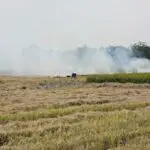
Bush Burning:
- Destroys soil organic matter, leading to reduced soil fertility.
- Kills beneficial soil microorganisms and insects.
- Exposes the soil to wind and water erosion, especially after heavy rains.
- Increases soil temperature, which can harm plant roots.
-
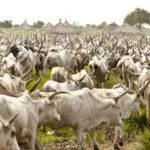
Over-grazing:
- Removes most of the vegetation cover, leaving the soil bare and exposed to erosion.
- Causes soil compaction due to constant trampling by livestock, reducing water infiltration and aeration.
- Leads to loss of topsoil and degradation of pasture land.
-
Clean Clearing:
- Involves removing all vegetation (trees, shrubs, grasses) from a piece of land.
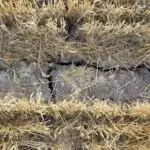
- Exposes the soil directly to the sun, wind, and rain, increasing the risk of erosion.
- Leads to a rapid loss of soil organic matter and nutrients.
- Disrupts the natural soil structure.
-
Stumping:
- The removal of tree stumps and roots from the soil.
- Causes significant soil disturbance, leading to loss of soil structure.
- Can accelerate erosion, especially on sloped land.
- Removes organic matter contributed by decaying roots.
-
Inorganic Fertilizer Application:
- The use of synthetic fertilizers to supply plant nutrients.
- Excessive or improper use can lead to soil acidification, reducing the availability of some nutrients to plants.
- Can cause nutrient imbalance in the soil.
- Runoff from fertilized fields can pollute water bodies (eutrophication).
Teaching Methods/Instructional Techniques
Discussion, Lecture, Demonstration, Question and Answer, Visual Aids
Instructional Procedures
Step 1: Introduction
Time: 5 minutes
Teaching Skill: Set Induction
Teacher’s Activity: The teacher greets the pupils, reviews the previous lesson on soil composition, and then introduces the new topic by asking pupils to mention some common farming activities they know.
Pupils’ Activity: Pupils respond to greetings, recall the previous lesson, and mention farming activities like clearing, planting, and weeding.
Learning Point: Pupils are prepared for the new lesson and connect it to their existing knowledge.
Step 2: Meaning of Soil Effects
Time: 5 minutes
Teaching Skill: Explanation/Definition
Teacher’s Activity: The teacher explains the meaning of soil effects as changes in soil condition due to farming practices and writes the definition on the board.
Pupils’ Activity: Pupils listen attentively, ask questions for clarification, and copy the definition into their notebooks.
Learning Point: Pupils understand what “soil effects” mean in the context of farming.
Step 3: Bush Burning and Over-grazing
Time: 7 minutes
Teaching Skill: Illustration/Discussion
Teacher’s Activity: The teacher displays pictures of burnt fields and over-grazed land, explaining how bush burning leads to loss of organic matter and erosion, and how over-grazing causes soil compaction.
Pupils’ Activity: Pupils observe the pictures, discuss the visible effects, and contribute to explaining how these practices harm the soil.
Learning Point: Pupils identify and understand the negative effects of bush burning and over-grazing on soil.
Step 4: Clean Clearing and Stumping
Time: 7 minutes
Teaching Skill: Explanation/Identification
Teacher’s Activity: The teacher explains clean clearing and stumping, detailing how they expose soil to erosion and cause disturbance, leading to loss of organic matter.
Pupils’ Activity: Pupils listen and identify how these practices contribute to soil degradation.
Learning Point: Pupils grasp the impacts of clean clearing and stumping on soil structure and fertility.
Step 5: Inorganic Fertilizer Application
Time: 7 minutes
Teaching Skill: Demonstration/Explanation
Teacher’s Activity: The teacher shows samples of inorganic fertilizers and explains their effects on soil, such as increased acidity, nutrient imbalance, and water pollution if misused.
Pupils’ Activity: Pupils observe the fertilizer samples, ask questions about their use, and identify the potential negative effects on soil and water.
Learning Point: Pupils understand the consequences of improper inorganic fertilizer use.
Step 6: Discussion on Good Practices
Time: 7 minutes
Teaching Skill: Brainstorming/Guidance
Teacher’s Activity: The teacher facilitates a discussion, prompting pupils to suggest farming practices that protect the soil and minimize negative effects.
Pupils’ Activity: Pupils brainstorm and suggest practices like crop rotation, mulching, cover cropping, and proper use of organic manure.
Learning Point: Pupils learn about sustainable farming methods for soil conservation.
Step 7: Evaluation/Review
Time: 5 minutes
Teaching Skill: Questioning/Assessment
Teacher’s Activity: The teacher evaluates the learning by asking the following questions:
- What are soil effects?
- Mention three farming practices that can lead to soil erosion.
- Explain how bush burning affects soil fertility.
- List two negative effects of over-grazing on soil.
Pupils’ Activity: Pupils answer orally and in writing.
Learning Point: Pupils demonstrate understanding of the lesson.
Step 8: Conclusion
Time: 2 minutes
Teaching Skill: Summarization
Teacher’s Activity: The teacher summarizes the key points of the lesson, emphasizing the importance of adopting good farming practices for soil health and environmental sustainability. An assignment is given to research local sustainable farming practices.
Pupils’ Activity: Pupils listen to the summary and copy down the assignment.
Learning Point: Pupils consolidate their learning and are encouraged to further explore the topic.
Lesson Keywords
- Soil effects – Changes in soil properties due to farming.
- Bush burning – Setting fire to vegetation on land.
- Over-grazing – Excessive grazing by livestock leading to vegetation damage.
- Clean clearing – Complete removal of all vegetation from land.
- Stumping – Removal of tree stumps and roots.
- Fertilizer – Substances added to soil to increase fertility.
- Erosion – Wearing away of topsoil by wind or water.
- Compaction – Reduction in soil pore space due to pressure.
Differentiation
The teacher will provide additional visual aids for visual learners and allow group discussions to support pupils who learn better through peer interaction. More complex questions will be directed to faster learners, while slower learners will be encouraged with simpler questions and guided explanations.
Note for teachers using this lesson plan
Teachers should ensure they have clear, illustrative pictures or real-life examples of the farming practices and their effects on soil. Encourage pupils to relate the concepts to their local farming environment and discuss practical solutions for soil conservation. Emphasize the long-term consequences of unsustainable practices for food security and environmental health.
Community Join the conversation Open discussion +