

Class: Senior Secondary School 1 (SS1, SS 1, SSS1, SSS 1)
Term: 3rd Term
Week: 3
Age: 15 years
Duration: 45 minutes
Subject: Agricultural Science
Curriculum Theme: Agricultural Science
Previous Lesson: Importance of using the right farm tools.
Topic: Prospect of mechanization
Subject Matter: advantages of mechanization, increased productivity through mechanization, reduced drudgery, timeliness of farm operations, observation of mechanical and electrical farm power
Specific Objectives
By the end of the lesson, pupils should be able to:
Cognitive Domain:
- Define farm mechanization.
- State at least three advantages of farm mechanization.
- Explain how mechanization leads to increased productivity.
- Discuss how mechanization reduces drudgery in farm operations.
- Explain the importance of timeliness in farm operations achieved through mechanization.
Affective Domain:
- Appreciate the benefits of modern farm practices.
- Develop an interest in the use of machines for farming.
Psychomotor Domain:
- Identify various forms of mechanical and electrical farm power.
- Relate mechanized operations to labour saving and increased output.
Social Domain:
- Participate in discussions about the impact of mechanization on agriculture.
Reference Materials
The following resources were used in planning this lesson:
- 9 Years Basic Education Curriculum for Agricultural Science.
- State Unified Scheme of Work for Senior Secondary Schools.
- Essential Agricultural Science for Senior Secondary Schools by O. A. Iwena.
- https://www.fao.org/mechanization/en/
- https://nigerianagric.com/farm-mechanization-in-nigeria/
Instructional Materials
The teacher will teach this lesson with the aid of:
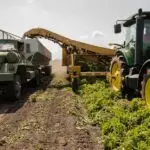
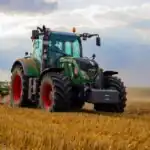
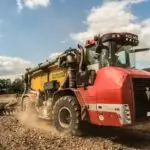
- Pictures of various farm machines (tractors, tillers, harvesters).
- Charts showing different types of farm power.
- Short field observation notes (if a field trip is feasible).
- Whiteboard and markers.
Rationale for the Lesson
This lesson helps pupils understand how modern machines improve farming practices and output. It shows them how mechanization makes farm work easier, faster, and more productive, which is important for food security and agricultural development.
Prerequisite/Previous Knowledge
Pupils have basic knowledge of traditional farming tools and methods, and some understanding of the importance of agriculture.
Lesson Content/Board Summary
Prospect of Farm Mechanization
Definition of Farm Mechanization
Farm mechanization is the use of machines and mechanical power in farm operations instead of human and animal power. It involves the application of engineering principles to agricultural practices.
Advantages of Farm Mechanization
The following are the advantages of farm mechanization:
- Increased productivity and yield.
- Reduced demand for manual labour.
- Timeliness of farm operations.
- Improved efficiency and quality of work.
- Reduced drudgery (hard and unpleasant work).
- Better utilization of land.
- Lower cost of production per unit of output in the long run.
Increased Productivity Through Mechanization
Mechanization helps in cultivating larger areas of land in less time. Machines like tractors, planters, and harvesters perform tasks faster and more precisely than manual labour, leading to higher crop yields and overall farm output.
Reduced Drudgery in Farm Operations
Machines take over strenuous and repetitive tasks such as ploughing, harrowing, planting, weeding, and harvesting. This reduces the physical burden on farmers, making farm work less tiresome and more appealing.
Timeliness of Farm Operations
Mechanization allows farm operations like planting, fertilizer application, and harvesting to be completed at the optimal time. Timely operations are important for maximizing crop yield and quality, as delays can lead to significant losses.
Observation of Mechanical and Electrical Farm Power
Farm power refers to the energy used to perform farm operations. It can be:
- Mechanical Power: Provided by engines that burn fuel. Examples include:
- Tractors
- Power tillers
- Harvesters (e.g., combine harvesters)
- Motorized pumps
- Electrical Power: Supplied by electricity, often used for stationary tasks. Examples include:
- Electric motors for grinding mills
- Electric pumps for irrigation
- Lighting in farm buildings
- Refrigeration units for storage
Teaching Methods/Instructional Techniques
Discussion, Lecture, Demonstration, Question and Answer, Visual Aids
Instructional Procedures
Step 1: Introduction
Time: 5 minutes
Teaching Skill: Set Induction
Teacher’s Activity: The teacher greets the pupils and reviews the previous lesson briefly. The teacher then asks pupils to mention some traditional farming tools they know and how these tools are used. The teacher then introduces the topic by asking how farm work can be done faster and with less effort.
Pupils’ Activity: Pupils respond to questions and listen attentively to the introduction of the new topic.
Learning Point: Pupils recall previous knowledge and are prepared for the new lesson.
Step 2: Definition of Farm Mechanization
Time: 7 minutes
Teaching Skill: Explanation/Definition
Teacher’s Activity: The teacher explains the concept of farm mechanization, emphasizing the shift from human/animal power to machine power. The teacher ensures pupils understand that it involves using various machines in farming.
Pupils’ Activity: Pupils listen, ask questions for clarification, and take notes.
Learning Point: Pupils understand the definition of farm mechanization.
Step 3: Advantages of Farm Mechanization
Time: 10 minutes
Teaching Skill: Elucidation/Discussion
Teacher’s Activity: The teacher uses pictures and charts of farm machinery to illustrate the advantages of mechanization. The teacher discusses points such as increased productivity, reduced labour, and improved efficiency, encouraging pupils to contribute.
Pupils’ Activity: Pupils observe the instructional materials, participate in discussions, and list the advantages in their notes.
Learning Point: Pupils identify and understand the various advantages of farm mechanization.
Step 4: Increased Productivity and Reduced Drudgery
Time: 8 minutes
Teaching Skill: Explanation/Illustration
Teacher’s Activity: The teacher further explains how machines enable farmers to cultivate more land and achieve higher yields (increased productivity). The teacher also explains how machines reduce the physical strain and hard work associated with farming (reduced drudgery), using relatable examples.
Pupils’ Activity: Pupils listen, discuss examples, and relate the concepts to their understanding of farm work.
Learning Point: Pupils grasp how mechanization directly impacts productivity and reduces the physical demands of farming.
Step 5: Timeliness of Farm Operations
Time: 5 minutes
Teaching Skill: Explanation/Emphasis
Teacher’s Activity: The teacher explains the importance of completing farm tasks at the right time (e.g., planting during the rainy season, harvesting when crops are mature). The teacher emphasizes that machines help achieve this timeliness, which is important for better yields.
Pupils’ Activity: Pupils listen and understand the role of mechanization in ensuring timely farm operations.
Learning Point: Pupils recognize the significance of timeliness in farming and how mechanization supports it.
Step 6: Observation of Mechanical and Electrical Farm Power
Time: 5 minutes
Teaching Skill: Identification/Demonstration
Teacher’s Activity: The teacher displays pictures of various farm machines and explains the difference between mechanical power (e.g., tractors, tillers) and electrical power (e.g., electric pumps, grinding mills). If possible, the teacher guides pupils to relate these to local farm practices.
Pupils’ Activity: Pupils observe the pictures, identify different types of farm power, and ask questions.
Learning Point: Pupils can identify and differentiate between mechanical and electrical farm power.
Step 7: Evaluation/Review
Time: 5 minutes
Teaching Skill: Questioning/Assessment
Teacher’s Activity: The teacher evaluates the learning by asking the following questions:
- Define farm mechanization.
- Mention three advantages of farm mechanization.
- How does mechanization lead to increased productivity?
- State two examples of mechanical farm power.
Pupils’ Activity: Pupils answer orally and in writing.
Learning Point: Pupils demonstrate understanding of the lesson.
Step 8: Conclusion
Time: 3 minutes
Teaching Skill: Summarization/Assignment
Teacher’s Activity: The teacher summarizes the key points of the lesson, reiterating the importance of farm mechanization for modern agriculture. The teacher then assigns homework: “List five farm operations that can be done using machines and state the machine used for each.”
Pupils’ Activity: Pupils listen to the summary and copy the homework assignment.
Learning Point: Pupils consolidate their learning and prepare for further study.
Lesson Keywords
- Mechanization – The use of machines to do work, especially in farming.
- Productivity – The rate at which goods are produced, or the amount produced per unit of input.
- Drudgery – Hard, menial, or dull work.
- Timeliness – The quality of being done or occurring at a favourable or useful time.
- Farm power – The energy used to perform farm operations, such as mechanical or electrical power.
Differentiation
For pupils who grasp concepts quickly, the teacher can challenge them to research specific types of advanced farm machinery. For those who require more support, the teacher will provide simplified explanations and more visual aids, allowing them to work in pairs to discuss the concepts.
Note for teachers using this lesson plan
Teachers should encourage pupils to share local examples of farm mechanization they may have observed. Emphasize the practical implications of mechanization on food production and economic development in Nigeria. If possible, arrange for a short video clip showing mechanized farm operations to enhance understanding.

Community Join the conversation Open discussion +