

Class: Senior Secondary School 1 (SS1, SS 1, SSS1, SSS 1)
Term: 2nd Term
Week: 6
Age: 15 years
Duration: 45 minutes
Subject: Agricultural Science
Curriculum Theme: Agricultural Science
Previous Lesson: Environmental impact of cropping system.
Topic: Livestock Management
Subject Matter: Livestock management techniques, good housing for farm animals, feeding practices for farm animals, rearing ruminant animals, rearing non-ruminant animals, farm record keeping for livestock
Specific Objectives
By the end of the lesson, pupils should be able to:
Cognitive Domain:
- Define livestock management.
- State the importance of good housing for farm animals.
- List different feeding practices for farm animals.
- Identify examples of ruminant and non-ruminant animals.
- Explain the importance of farm record keeping for livestock.
Affective Domain:
- Appreciate the need for proper care and management of livestock.
- Show interest in adopting good livestock management practices.
Psychomotor Domain:
- Outline basic steps for rearing ruminant and non-ruminant animals.
- Demonstrate how to fill a simple farm record sheet for livestock.
Social Domain:
- Participate in discussions about sustainable livestock farming.
Reference Materials
The following resources were used in planning this lesson:
- 9 Years Basic Education Curriculum for Agricultural Science.
- State Unified Scheme of Work for Agricultural Science (SSS 1).
- Agricultural Science for Senior Secondary Schools by P.O. Adekunle.
Instructional Materials
The teacher will teach this lesson with the aid of:
- Pictures of various animal housing types.
- Samples of different animal feeds (e.g., concentrates, roughages).
- Farm record sheets.
- Simple livestock equipment (e.g., water trough, feed trough – can be pictures).
Rationale for the Lesson
This lesson helps pupils understand the practical aspects of raising farm animals effectively. Knowing about proper housing, feeding, and record keeping enables pupils to care for livestock, which contributes to successful animal farming and food production in their communities.
Prerequisite/Previous Knowledge
Pupils are expected to have basic knowledge of different types of farm animals and their importance from their previous lessons.
Lesson Content/Board Summary
Livestock Management
Definition of Livestock Management
Livestock management refers to the practice of handling, caring for, and controlling farm animals to ensure their health, productivity, and profitability.
Good Housing for Farm Animals
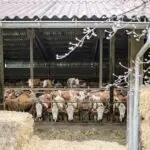
Proper housing protects animals from harsh weather, predators, and diseases, while providing comfort. Good housing ensures adequate ventilation, space, and sanitation.
The characteristics of good housing for farm animals include:
- Protection from adverse weather conditions (rain, sun, wind).
- Protection from predators and thieves.
- Adequate space for movement.
- Good ventilation to prevent heat stress and disease.
- Easy to clean and maintain.
- Availability of clean water and feed troughs.
Feeding Practices for Farm Animals
Feeding practices involve providing animals with the right quantity and quality of feed for growth, production, and maintenance.
Different types of animal feeds include:
- Roughages: Bulky feeds high in fibre, e.g., hay, silage, pasture grasses.
- Concentrates: Feeds low in fibre and high in energy or protein, e.g., maize, groundnut cake, fish meal.
Common feeding methods are:
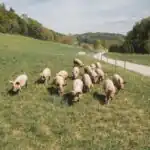
- Pasture grazing.
- Zero grazing (cut and carry).
- Supplementary feeding.
Rearing Ruminant Animals
Ruminant animals are hoofed mammals that have a four-chambered stomach and chew cud. They digest plant-based food by fermentation in a specialized stomach prior to digestion.
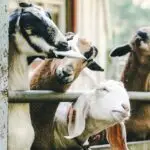
Examples of ruminant animals include:
- Cattle
- Sheep
- Goats
Basic rearing practices for ruminants involve:
- Providing adequate pasture or roughages.
- Ensuring access to clean water.
- Regular deworming and vaccination.
- Providing shelter from extreme weather.
Rearing Non-Ruminant Animals
Non-ruminant animals, also known as monogastric animals, have a simple, single-chambered stomach. They cannot digest roughages efficiently and require concentrated feeds.
Examples of non-ruminant animals include:
- Poultry (chickens, ducks)
- Pigs
- Rabbits
Basic rearing practices for non-ruminants involve:
- Providing balanced concentrate feeds.
- Ensuring proper housing with good ventilation and sanitation.
- Implementing strict biosecurity measures.
- Regular vaccination and disease prevention.
Farm Record Keeping for Livestock
Farm records are written accounts of all activities, income, and expenses related to the farm. They are essential for informed decision-making and farm management.
The importance of farm record keeping for livestock includes:
- Helps in monitoring animal health and productivity.
- Assists in making informed management decisions.
- Provides data for financial analysis and planning.
- Helps in identifying profitable and unprofitable enterprises.
- Useful for obtaining loans or grants.
Types of records kept for livestock include:
- Production records (e.g., milk yield, egg production, weight gain).
- Health records (e.g., vaccination dates, disease outbreaks, treatments).
- Feed consumption records.
- Breeding records.
- Financial records (income and expenditure).
Teaching Methods/Instructional Techniques
Discussion, Lecture, Demonstration, Question and Answer, Visual Aids
Instructional Procedures
Step 1: Introduction
Time: 5 minutes
Teaching Skill: Set Induction
Teacher’s Activity: The teacher greets the pupils and asks them to mention different types of animals kept on a farm. The teacher then introduces the topic, “Livestock Management,” and states the objectives.
Pupils’ Activity: Pupils respond by mentioning farm animals like cows, goats, chickens, pigs. They listen attentively to the teacher.
Learning Point: Pupils recall previous knowledge of farm animals and are introduced to the lesson topic and objectives.
Step 2: Explanation of Livestock Management Techniques and Housing
Time: 7 minutes
Teaching Skill: Explanation/Illustration
Teacher’s Activity: The teacher defines livestock management and explains the characteristics and importance of good housing for farm animals, using pictures of different housing types. The teacher also discusses the different types of housing for specific animals.
Pupils’ Activity: Pupils listen, ask questions, and observe the pictures of animal housing.
Learning Point: Pupils understand the definition of livestock management and the importance of appropriate housing for farm animals.
Step 3: Discussion on Feeding Practices
Time: 6 minutes
Teaching Skill: Discussion/Questioning
Teacher’s Activity: The teacher explains different feeding practices and types of feed (roughages and concentrates) used for farm animals. The teacher shows feed samples and discusses their importance.
Pupils’ Activity: Pupils identify the feed samples and discuss the importance of balanced feeding for livestock.
Learning Point: Pupils learn about various feeding practices and the types of feed required by farm animals.
Step 4: Rearing Ruminant Animals
Time: 6 minutes
Teaching Skill: Explanation/Examples
Teacher’s Activity: The teacher explains what ruminant animals are, provides examples (cattle, sheep, goats), and outlines basic rearing practices for them.
Pupils’ Activity: Pupils listen, identify ruminant animals, and note down the basic rearing practices.
Learning Point: Pupils understand the characteristics and basic care of ruminant animals.
Step 5: Rearing Non-Ruminant Animals
Time: 6 minutes
Teaching Skill: Explanation/Examples
Teacher’s Activity: The teacher explains what non-ruminant animals are, provides examples (poultry, pigs, rabbits), and outlines basic rearing practices for them, highlighting differences from ruminants.
Pupils’ Activity: Pupils listen, identify non-ruminant animals, and note down their basic rearing practices.
Learning Point: Pupils understand the characteristics and basic care of non-ruminant animals.
Step 6: Importance of Farm Record Keeping
Time: 5 minutes
Teaching Skill: Demonstration/Explanation
Teacher’s Activity: The teacher explains the importance of farm record keeping for livestock management and shows samples of farm record sheets. The teacher demonstrates how to fill a simple record.
Pupils’ Activity: Pupils observe the record sheets, ask questions, and practice filling a simple record if materials are available.
Learning Point: Pupils understand the significance of keeping accurate farm records for livestock.
Step 7: Evaluation/Review
Time: 5 minutes
Teaching Skill: Questioning/Assessment
Teacher’s Activity: The teacher evaluates the learning by asking the following questions:
- Define livestock management.
- State two characteristics of good housing for farm animals.
- List two types of feed given to farm animals.
- Mention two examples of ruminant and non-ruminant animals each.
- Explain two reasons why farm record keeping is important for livestock.
Pupils’ Activity: Pupils answer orally and in writing.
Learning Point: Pupils demonstrate understanding of the lesson.
Step 8: Conclusion
Time: 2 minutes
Teaching Skill: Summarization
Teacher’s Activity: The teacher summarizes the key points of the lesson, emphasizing the importance of proper livestock management for successful farming. The teacher assigns homework: “List five types of records you would keep if you were managing a poultry farm.”
Pupils’ Activity: Pupils listen to the summary and copy the homework.
Learning Point: Pupils consolidate their learning and are given an assignment to reinforce understanding.
Lesson Keywords
- Livestock Management – The practice of handling, caring for, and controlling farm animals.
- Ruminants – Animals with a four-chambered stomach that chew cud (e.g., cattle, sheep).
- Non-Ruminants – Animals with a simple, single-chambered stomach (e.g., poultry, pigs).
- Roughages – Bulky animal feeds high in fibre (e.g., hay, silage).
- Concentrates – Animal feeds low in fibre and high in energy or protein (e.g., maize, groundnut cake).
- Farm Records – Written accounts of farm activities, income, and expenses.
Differentiation
For pupils who grasp concepts quickly, they can be tasked with researching specific breeds of ruminant or non-ruminant animals and their unique management requirements. For pupils needing more support, the teacher can provide simplified notes or pair them with peers for collaborative learning and explanation during practical activities with record sheets.
Note for teachers using this lesson plan
Teachers should ensure that visual aids like pictures of animal housing, different feeds, and sample record sheets are readily available. Encourage pupils to share any personal experiences with livestock management to make the lesson more relatable. Practical demonstration of filling a record sheet, even a simplified one, is highly beneficial.
Community Join the conversation Open discussion +