

Class: Primary Two
Term: Second Term
Subject: Basic Science and Technology
Curriculum theme: Basic Science
Previous Lesson:
Topic: Harmful Substances and How too Avoid Taking Them
Content/Learning Area: Defining harmful substances, Identifying harmful substances, Avoiding harmful substances
Time Allocation: 40 minutes
Performance Objectives
By the end of the lesson, pupils should be able to:
- Cognitive Domain:
1. Define harmful substances.
2. Identify examples of harmful substances.
3. Explain the importance of avoiding harmful substances.
4. Describe methods for identifying harmful substances.
- Affective Domain:
1. Show awareness of the dangers of harmful substances.
2. Develop a responsible attitude towards handling unknown substances.
- Psychomotor Domain:
1. Demonstrate the ability to identify warning symbols on containers.
2. Practice asking an adult for help when unsure about a substance.
- Social Domain:
1. Cooperate with peers during activities.
2. Seek help from adults when needed.
Reference Materials
- 9 – Years basic Education Curriculum
- Abuja Educational Resource Center Scheme of Work
- NAPPS National Unified scheme of Work
- Relevant Textbooks
Instructional Materials
To deliver this lesson, the teacher will employ the help of the following materials:
- Whiteboard or chart paper
- Markers or crayons
- Pictures of harmful substances and their warning labels
- Examples of products with labels (optional)
Rationale for the Lesson
This lesson is crucial for equipping pupils with essential knowledge and skills to protect themselves from harm. Understanding harmful substances and how to avoid them is vital for their safety and well-being, both now and in the future.
Prerequisite/Previous knowledge
The teacher will begin by asking pupils what they know about safety and then introduce the topic of harmful substances, emphasizing the importance of learning how to identify and avoid them. A brief discussion about everyday safety will be held.
lesson content
Harmful Substances
Harmful substances are things or materials that can cause damage, illness, or danger to our health or well-being. These substances may include certain chemicals, medicines, or items that, if not used or handled correctly, can be harmful to us. It’s critically important to understand these substances and learn how to identify and avoid them to stay safe and healthy.
Identifying Harmful Substances
There are several ways to identify harmful substances:
The following are ways to identify harmful substances:
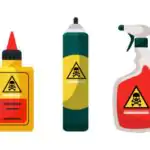
- Look for warning symbols: Many harmful substances have warning symbols on their containers. these symbols are usually red, black, or yellow and may include pictures of skulls and crossbones, flames, or other danger signs.
- Smell: Some harmful substances have a strong, unpleasant odor. If you smell something unusual or strong, it’s best to stay away from it and ask an adult.
- Ask an adult: If your unsure about a substance, always ask an adult.They can help you identify it and tell you if it’s safe or not.
- Read labels: Most products have labels that provide details about their contents and potential hazards. Always read the labels carefully before using any product.
- Check for Expiry dates: Expired products can become harmful. Always check the expiry dates on food, medicine, and other products before using them.
- observe the Container: Look for signs of damage or tampering. If a container is leaking, bulging, or appears to have been opened, it may contain a harmful substance.
Teaching methods
To deliver this lesson, the teacher will adopt the following methods: discussion,Question and Answer,Presentation,and Group Activity.
Instructional Procedures
To deliver this lesson, the teacher will adopt the following steps:
Step 1: Introduction
Time: 5 minutes
Teaching Skill: Set Induction
Teacher’s Activity: Engage pupils in a brief discussion about safety and introduce the topic of harmful substances.
Pupils’ Activity: participate in the discussion and share their prior knowledge.
Step 2: Explanation of Key Concepts
Time: 10 minutes
Teaching Skill: Explanation
Teacher’s Activity: Define harmful substances and explain their potential dangers.
Pupils’ Activity: Listen attentively and ask clarifying questions.
Step 3: Demonstration/Guided Practice
Time: 10 minutes
teaching skill: Demonstration
Teacher’s Activity: Show pictures of harmful substances and their warning labels, explaining how to identify them.Pupils’ Activity: Observe the demonstration and participate in identifying the substances and labels.
Step 4: Self-Reliant Practice
Time: 5 minutes
Teaching Skill: Self-reliant Practice
Teacher’s Activity: Provide pupils with pictures or examples of substances and ask them to identify which are harmful.
Pupils’ Activity: Independently identify harmful substances.
Step 5: Note-Taking
Time: 5 minutes
Teaching Skill: Note-taking
Teacher’s Activity: Guide pupils in taking notes on key concepts and examples.
Pupils’ Activity: Take notes on the lesson.
Step 6: Evaluation/Review
Time: 5 minutes
Teaching Skill: Questioning, Review
teacher’s activity: Ask review questions to assess understanding.
Pupils’ Activity: Answer review questions.
Objective-aligned checks:
- Define harmful substances.
- Identify examples of harmful substances.
- Explain the importance of avoiding harmful substances.
Step 7: Conclusion
time: 5 minutes
Teaching Skill: Summarizing
Teacher’s Activity: Summarize the key points about harmful substances and reiterate the importance of safety. Assign a short homework activity where pupils draw pictures of warning symbols they have seen.Pupils’ Activity: Listen to the summary and receive homework instructions.
Lesson Keywords
- Harmful Substances – Things that can cause damage, illness, or danger to health.
- Warning Symbols – Signs on containers that indicate danger.
- Labels – Information on products about their contents and hazards.
- Safety – being protected from harm or danger.
- Adult Supervision – Guidance and help from a grown-up.
Lesson Evaluation
To evaluate the learning, the teacher asks pupils to:
- What are harmful substances?
- Give three examples of harmful substances.
- Why is it important to avoid harmful substances?
- Name two ways to identify a harmful substance.
- What should you do if you find a substance you don’t recognize?
Assignment/Homework
- Draw pictures of warning symbols they have seen.
- Ask an adult to show them examples of products with warning labels in their home.
- Write a short paragraph about why it is important to ask an adult before using an unknown substance.
Differentiation
- For slower learners: Provide one-on-one assistance and use simpler language.
- For advanced learners: Encourage them to research additional examples of harmful substances and their effects.
- For visual/auditory/kinesthetic learners: Use visual aids, verbal explanations, and hands-on activities to cater to different learning styles.
Note for Teachers
Ensure to use real-life examples and relatable scenarios to make the lesson engaging and relevant for the pupils. Emphasize the importance of seeking help from adults when in doubt about any substance.


Community 1 comment Open discussion +