

Class: Primary Two
Term: Second Term
Subject: Basic Science and Technology
Curriculum Theme: Basic Science
Previous Lesson: Common Plants and Their Fruits
Topic: Animal Identification
Content/Learning Area: What is Animal Identification, Features and Behaviors, Examples
Time Allocation: 40 minutes
Performance objectives
By the end of the lesson, pupils should be able to:
- Cognitive Domain:
1. Identify common animals around their neighborhood.
2. Describe the features and behaviors of thes animals.
- Psychomotor Domain:
1. Observe and record animal characteristics.
- Affective Domain:
1. Show interest in learning about animals.
2. Appreciate the diversity of animals.
- Social Domain:
1. Work cooperatively in group activities.
Reference Materials
- 9 – Years Basic Education Curriculum
- Abuja Educational Resource Center Scheme of Work
- NAPPS National unified Scheme of Work
- Relevant Textbooks
Instructional Materials
to deliver this lesson, the teacher will use the following materials:
- Pictures of animals
- Whiteboard or chart paper
- Markers
Rationale for the Lesson
This lesson is crucial for developing pupils’ observational skills and understanding of the natural world. Knowing how to identify animals helps them appreciate biodiversity and fosters a sense of responsibility towards animals and their habitats.
Prerequisite/Previous Knowledge
The teacher will start by asking pupils to name some animals they have seen before. The teacher will then show pictures of various animals, prompting pupils to describe what they see. This will create excitement and curiosity about the lesson.
Lesson Content
What is Animal Identification?
animal identification is about recognizing and naming different animals based on their special features. We look at how they look, what they do, and where they live.
Features and Behaviors
We identify animals by looking at things like:
- Body shape: How their body is shaped (long, round, flat).
- Size: How big or small they are.
- Color: The color of their fur,feathers,or skin.
- Patterns: Stripes, spots, or scales on their bodies.
- Body Parts: Ears, tails, legs, beaks, or wings.
- Habitat: Where they live (land, water, trees).
- Diet: What they eat (plants, meat, insects).
Their actions also help:
- Movement: How they move (walking, running, flying, swimming, hopping).
- Sounds: The noises they make (barking, meowing, chirping, roaring).
- Social Interactions: How they act with others (herds, flocks, packs).
- Feeding Habits: What they eat (plants, insects, other animals).
- Sleeping Patterns: When they sleep (day, night).
- Defense Mechanisms: How they protect themselves (camouflage, speed, poison).
- Dialog Methods: How they talk to each other (body language, scents).
Examples
Cat
These include:
- Features: Soft fur, sharp claws, whiskers, pointed ears.
- Behaviors: Purring, scratching, hunting for mice.
Dog
these include:
- Features: Fur (different types),wagging tail,floppy or pointed ears.
- Behaviors: Barking, wagging tail when happy, loyalty to humans.
Butterfly
These include:
- Features: Colorful wings, antenna, delicate body.
- Behaviors: Fluttering from flower to flower, sipping nectar.
Elephant
These include:
- Features: Large ears, long trunk, tusks (some have them).
- Behaviors: Trumpeting, using the trunk to pick things up, living in herds.
Fish
these include:
- Features: Scales, fins, gills for breathing underwater.
- Behaviors: Swimming, using gills to breathe, some live in groups.
Goat
These include:
- Features: Horns, hooves, coarse hair.
- Behaviors: Bleating, grazing, climbing on rocks.
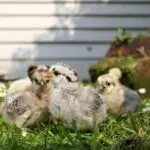
Chicken
these include:
- Features: Feathers, beak, claws.
- Behaviors: Clucking, pecking, laying eggs.
Teaching methods
To deliver this lesson, the teacher will adopt the following methods: Discussion, Question and answer, Picture identification.
Instructional Procedures
To deliver this lesson, the teacher will adopt the following steps:
step 1: Introduction
Time: 5 minutes
Teaching Skill: Set Induction
Teacher’s Activity: Ask pupils to name animals they know.
Pupils’ Activity: Respond to the teacher’s questions.
Step 2: Description of Key Concepts
Time: 10 minutes
Teaching Skill: Explanation
Teacher’s Activity: Explain what animal identification is and how it’s done.
Pupils’ Activity: Listen attentively and ask questions.
Step 3: Demonstration/Guided Practice
Time: 10 minutes
Teaching Skill: demonstration
Teacher’s Activity: Show pictures of animals and guide pupils in identifying their features and behaviors.
Pupils’ Activity: Participate in identifying animals and their characteristics.
Step 4: Self-Reliant Practice
Time: 5 minutes
Teaching Skill: Observation
Teacher’s Activity: Provide worksheets with pictures of animals for pupils to identify.
Pupils’ Activity: Complete the worksheet independently.
Step 5: Note-taking
Time: 5 minutes
Teaching Skill: Note-taking
Teacher’s Activity: Guide pupils in taking notes on key features and behaviors of animals.
Pupils’ Activity: Write down important points in their notebooks.
Step 6: Evaluation/Review
Time: 5 minutes
Teaching Skill: Questioning
Teacher’s Activity: Ask review questions to assess understanding.
Pupils’ Activity: Answer the review questions.
Objective-aligned checks:
- Identify common animals around their neighborhood.
- Describe the features and behaviors of thes animals.
- Show interest in learning about animals.
Step 7: Conclusion
Time: 2 minutes
Teaching Skill: Summarizing
Teacher’s Activity: Summarize the key concepts of animal identification.
Pupils’ Activity: Listen to the summary and ask any remaining questions.
Lesson Keywords
- Animal Identification – Recognizing and naming animals based on their features.
- Features – distinctive characteristics of an animal (e.g., color, size).
- Behaviors – Actions or activities of an animal (e.g., eating, moving).
- Habitat – The natural surroundings where an animal lives.
- Characteristics – A notable quality or feature of an animal.
Lesson Evaluation
To evaluate the learning, the teacher asks pupils to:
- Name three animals you can find in your neighborhood.
- Describe the features of one of the animals you named.
- Why is it important to learn about animals?
- How do animals use their senses to find food and stay safe?
- Can you think of animals that are good at surviving where they live?
Assignment/Homework
- Draw pictures of three different animals and label their key features.
- Write a short paragraph about the behavior of one of the animals you drew.
- List five animals found in Nigeria and describe their habitats.
Differentiation
- For slower learners: Provide one-on-one assistance and use simpler language.
- For advanced learners: Encourage them to research and present information on additional animals.
- For visual/auditory/kinesthetic learners: Use visual aids,verbal explanations,and hands-on activities to cater to different learning styles.
Note for Teachers
Encourage pupils to share their personal experiences with animals to make the lesson more engaging. Use real-life examples and local animals to enhance understanding and relevance.

Community Join the conversation Open discussion +