

Class: Primary Two
Term: Third Term
Subject: basic Science and Technology
curriculum theme: Basic Science
Previous Lesson: Mechanical Gadgets (Simple Machines)
Topic: Modern means of Transportation
Content/Learning Area: What is transportation?,Modern means of Transportation,Land Transportation,air Transportation,water Transportation
Time Allocation: 40 minutes
Performance Objectives
by the end of the lesson,pupils should be able to:
- Cognitive Domain:
1. List two modern means of transportation for each category: land, air, and water.
2. Identify pictures of different modes of transportation.
- Affective Domain:
1. Show recognition for the role of modern transportation in connecting people globally.
- Psychomotor Domain:
1. Identify and point to pictures of different modes of transportation.
- Social Domain:
1. Discuss how transportation affects their daily lives wiht peers.
Reference Materials
- 9 – Years basic Education Curriculum
- Abuja Educational Resource Centre Scheme of Work
- NAPPS National Unified Scheme of Work
- Relevant Textbooks
instructional Materials
To deliver this lesson, the teacher will use the following materials:
- Pictures of different modes of transportation
- Whiteboard or chart paper
- Markers or crayons
Rationale for the Lesson
Understanding modern transportation is crucial for pupils to grasp how the world is connected and how goods and people move.This knowledge is essential for their understanding of geography, economics, and daily life.
Prerequisite/Previous Knowledge
The teacher will start by asking pupils how they come to school. This will lead into a discussion about different ways people and goods move from place to place, setting the stage for learning about modern means of transportation.
Lesson Content
What is Transportation?
Transportation is simply moving people or things from one place to another. We can do this in many ways, like walking, biking, using animals, or using vehicles.
Modern Means of Transportation
Modern transportation uses vehicles and systems to move people and goods all over the world. It helps connect people, makes trade easier, and lets us travel more easily.
Land Transportation
Land transportation involves the movement of people and goods on land using various vehicles. These include:
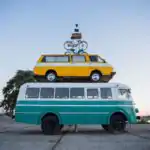
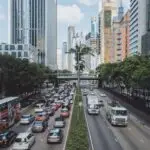
- Automobiles: Cars and buses are common land vehicles. They use engines and move people quickly over short and medium distances.
- Trains: Trains run on tracks and carry many passengers or goods over long distances.
- Motorcycles: These are two-wheeled vehicles used for personal transportation, especially in urban areas.
- Trucks: Trucks are used for transporting goods and materials over long distances.
Air Transportation
Air transportation involves the movement of people and goods through the air using aircraft. These include:
- Airplanes: Airplanes are the fastest way to travel long distances. They fly high and go very fast.
- Helicopters: Helicopters can take off and land vertically, making them useful for reaching remote areas.
- Drones: Unmanned aerial vehicles used for surveillance,delivery,and other purposes.
Water Transportation
Water transportation involves the movement of people and goods on water bodies such as rivers, lakes, and oceans. These include:
- Ships: Ships carry passengers and goods across seas and oceans. They are very important for international trade.
- Boats: Smaller vessels used for transportation on rivers and lakes.
- Ferries: Used to transport passengers and vehicles across short distances over water.
- Submarines: Underwater vessels used for research and military purposes.
Teaching Methods
To deliver this lesson, the teacher will adopt the following methods: Discussion, question and answer, Show and tell using pictures.
Instructional Procedures
To deliver this lesson,the teacher will adopt the following steps:
Step 1: Introduction
Time: 5 minutes
Teaching Skill: Set Induction
Teacher’s Activity: Asks pupils how they travel to school and what other ways people travel.
Pupils’ Activity: Respond to the teacher’s questions, sharing their experiences.
step 2: Description of Key Concepts
Time: 10 minutes
Teaching Skill: Explanation
Teacher’s Activity: Explains the meaning of transportation and introduces the concept of modern means of transportation.
Pupils’ activity: Listen attentively and ask clarifying questions.
Step 3: Exhibition/Guided Practice
Time: 10 minutes
Teaching Skill: Demonstration
Teacher’s Activity: Shows pictures of different modes of transportation (land, air, and water) and explains their uses.
Pupils’ Activity: Observe the pictures and participate in discussions about each mode of transportation.
Step 4: Self-Reliant Practice
Time: 5 minutes
Teaching Skill: Guided practice
Teacher’s Activity: Asks pupils to name examples of land, air, and water transportation.
Pupils’ Activity: Respond to the teacher’s questions, providing examples.
Step 5: Note-Taking
Time: 5 minutes
Teaching Skill: Note-Taking
Teacher’s Activity: Guides pupils in taking notes on the key concepts discussed.
Pupils’ Activity: Write down key points in their notebooks.
Step 6: Evaluation/Review
Time: 5 minutes
Teaching Skill: Questioning
teacher’s Activity: Asks review questions to assess understanding.
Pupils’ Activity: Answer the review questions.
Objective-aligned checks:
- List two modern means of transportation for each category: land, air, and water.
- Identify pictures of different modes of transportation.
- Show recognition for the role of modern transportation in connecting people globally.
Step 7: Conclusion
Time: 2 minutes
Teaching Skill: Summarizing
Teacher’s Activity: Summarizes the key points of the lesson.
Pupils’ Activity: Listen to the summary and ask any remaining questions.
Lesson Keywords
- Transportation – The movement of people or goods from one place to another.
- Modern transportation – Advanced vehicles and systems used for moving people and goods.
- Land Transportation – Movement on land using vehicles like cars and trains.
- air Transportation – Movement through the air using airplanes and helicopters.
- Water Transportation – Movement on water using ships and boats.
Lesson Evaluation
To evaluate the learning,the teacher asks pupils to:
- Name two modern means of transportation that operate on land.
- Why is air transportation important?
- What is one benefit of using ships for transportation?
- How does transportation affect your daily life?
- Can you think of any other modern means of transportation that we didn’t discuss?
Assignment/Homework
- Draw pictures of different modes of transportation (one for land, air, and water).
- Write a short paragraph about how transportation helps people in your community.
- List three goods that are transported to your local market and how they are transported.
Differentiation
- For slower learners: Provide one-on-one assistance and use simpler language.
- For advanced learners: Encourage them to research and present additional examples of modern transportation.
- For visual/auditory/kinesthetic learners: Use visual aids,discussions,and hands-on activities to cater to different learning styles.
Note for Teachers
Ensure to use real-life examples and visual aids to make the lesson engaging and relatable for the pupils. Encourage active participation and provide constructive feedback to reinforce learning.
Community Join the conversation Open discussion +