

Class: Primary Two
Term: Third Term
Subject: Basic Science and Technology
Curriculum Theme: Basic Science
Previous Lesson: Parts of the Human Body
Topic: Different types of Soil
Content/learning Area: Identifying and describing the characteristics of loamy soil and sandy soil, developing an recognition for different types of soils and thier uses in our habitat, Performing simple tests to differentiate between loamy soil and sandy soil
Time allocation: 40 minutes
Performance Objectives
By the end of the lesson, pupils should be able to:
- Cognitive Domain:
1. Identify loamy and sandy soil.
2. Describe the characteristics of loamy and sandy soil.
3. Explain the importance of understanding different soil types.
- Affective Domain:
1.develop an appreciation for the importance of soil in the environment.
- Psychomotor Domain:
1. Perform simple tests to differentiate between loamy soil and sandy soil.
- social Domain:
1. Work collaboratively during activities.
Reference Materials
- 9 – Years Basic Education Curriculum
- Abuja Educational Resource Center Scheme of Work
- NAPPS National Unified Scheme of Work
- Online details
- Relevant Textbooks
Instructional materials
To deliver this lesson, the teacher will employ the help of the following materials:
- Samples of loamy soil and sandy soil
- Containers for soil samples
- water
- Chart showing soil types
- Whiteboard or chart paper
Rationale for the Lesson
Understanding different soil types is crucial for appreciating the environment and for future studies in agriculture and environmental science.This lesson lays a foundation for more advanced concepts.
prerequisite/previous Knowledge
The teacher will start by asking pupils what they know about soil and its importance. A brief discussion will follow, leading into the lesson’s focus on different soil types.
lesson Content
Soil
Soil is essential for our environment; it supports plants, animals, and tiny living things. Many different types of soil exist, each with unique qualities. We’ll focus on two: loamy and sandy soil.
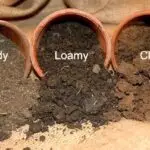
What is Loamy soil?
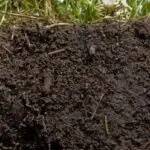
Loamy soil is fertile and rich, a mix of sand, silt, and clay in roughly equal amounts.It drains well but also holds moisture. It’s grate for growing plants because it offers good nutrients and support. Key features include:
- Good drainage: Water flows through easily.
- Good moisture retention: Holds water for plants.
- Rich in nutrients: Provides what plants need to thrive.
- Good structure: Air and water move easily through it.
- Supports plant growth: Ideal for agriculture due to its balanced composition.
- Contains organic matter: Enhances soil fertility and microbial activity.
What is sandy Soil?
Sandy soil feels gritty; it’s made of large rock and mineral particles. Water drains quickly, but it doesn’t hold moisture well, making plant growth difficult. It also heats up fast.
- Poor drainage: Water passes through too quickly.
- Poor moisture retention: Doesn’t hold water well.
- Low in nutrients: Lacks the things plants need.
- Loose structure: Makes it hard for plants to root.
- warms up quickly: Can stress plants in hot weather.
- Prone to erosion: Easily carried away by wind and water.
Teaching Methods
To deliver this lesson, the teacher will adopt the following methods: Discussion, Demonstration, Practical Activity
Instructional Procedures
To deliver this lesson, the teacher will adopt the following steps:
Step 1: Introduction (Set Induction)
Time: 5 minutes
Teaching Skill: Questioning, Discussion
Teacher’s Activity: Asks pupils what they know about soil and its importance.
Pupils’ Activity: Share their prior knowledge about soil.
Step 2: Explanation of Key Concepts
Time: 10 minutes
Teaching Skill: Explanation, Demonstration
Teacher’s Activity: Explains the characteristics of loamy and sandy soil using visual aids.
Pupils’ Activity: Listen attentively and ask clarifying questions.
Step 3: Demonstration/Guided Practice
Time: 10 minutes
teaching Skill: Demonstration, Guided Practice
Teacher’s Activity: Demonstrates simple tests to differentiate between loamy and sandy soil.
Pupils’ activity: Observe the demonstration and participate in guided practice.
Step 4: Self-Reliant Practice
Time: 5 minutes
Teaching Skill: Monitoring, Feedback
teacher’s Activity: Guides pupils as they perform the tests independently.
Pupils’ Activity: Perform the tests and record their observations.
Step 5: Note-Taking
Time: 5 minutes
Teaching skill: Note-Taking, Summarizing
Teacher’s Activity: Summarizes key concepts and guides pupils in note-taking.Pupils’ Activity: Take notes on the key characteristics of loamy and sandy soil.
Step 6: Evaluation/Review
Time: 5 minutes
Teaching Skill: Questioning, Feedback
Teacher’s Activity: Asks evaluation questions to assess understanding.
Pupils’ Activity: Answer the evaluation questions.
Objective-aligned checks:
- Identify loamy and sandy soil.
- Describe the characteristics of loamy and sandy soil.
- Explain the importance of understanding different soil types.
Step 7: Conclusion
Time: 2 minutes
Teaching Skill: Summarizing, Reinforcement
Teacher’s Activity: Reviews the key characteristics of loamy and sandy soil and emphasizes the importance of understanding different soil types for environmental awareness.
Pupils’ Activity: Listen attentively and summarize the key points.
Lesson Keywords
- Loamy Soil – A balanced mixture of sand, silt, and clay, ideal for plant growth.
- Sandy Soil – Soil with large particles that drains quickly and doesn’t retain moisture well.
- Drainage – The ability of water to pass through soil.
- Moisture Retention – The ability of soil to hold water.
- nutrients – Substances that plants need to grow.
- Soil structure – The arrangement of soil particles.
Lesson Evaluation
To evaluate the learning, the teacher asks pupils to:
- What are the two types of soil we discussed?
- Name one characteristic of loamy soil.
- Why is sandy soil not ideal for plants needing lots of water?
- How can we improve sandy soil?
- Why is understanding soil types important?
Assignment/Homework
- Collect samples of different types of soil from your environment.
- Describe the characteristics of each soil sample you collected.
- Research and write about another type of soil not discussed in class.
- Explain how farmers can improve sandy soil for growing crops.
- Draw a diagram illustrating the differences between loamy and sandy soil.
Differentiation
- For slower learners: Provide one-on-one assistance and simplified explanations.
- For advanced learners: Encourage further research on other soil types.
- For visual/auditory/kinesthetic learners: Use visual aids, verbal explanations, and hands-on activities to cater to different learning styles.
Note for Teachers
Ensure to have enough soil samples for each pupil to handle. Encourage active participation by relating soil types to local farming practices. Adjust the pace of the lesson based on pupils’ understanding.

Community Join the conversation Open discussion +