

Class: Primary Three
Term: first Term
Subject: Basic Science and Technology
curriculum Theme: Basic Science
Previous Lesson: AIR, Air in Motion
Topic: Harmful Effects of Air
Content/Learning Area: What are the effects of air on our bodies?, what are some harmful substances in the air?, what are some destructive effects of air in nature?
Time Allocation: 40 minutes
Performance Objectives
By the end of the lesson, pupils should be able to:
- Cognitive Domain:
– Describe the effects of air on our bodies.
– List two harmful substances that can be taken into the body through the air.
– List two destructive effects of air in nature.
- Affective Domain:
– Show concern for their health and the habitat.
– Appreciate the importance of clean air.
- Psychomotor Domain:
– Actively participate in class discussions.
– Take notes on the harmful effects of air.
- Social Domain:
– Work cooperatively wiht classmates.
– share ideas and facts.
Reference Materials
- 9 – Years basic education Curriculum
- Abuja Educational Resource Center scheme of Work
- NAPPS national Unified Scheme of work
- Relevant Textbooks
Instructional Materials
To deliver this lesson, the teacher will use the following materials:
- Whiteboard or chart paper
- Markers
- Relevant pictures or illustrations
Rationale for the Lesson
Understanding the harmful effects of air is crucial for pupils’ health and environmental awareness. This lesson lays the foundation for future learning about environmental protection and personal hygiene.
Prerequisite/Previous Knowledge
The teacher will start by asking pupils what they know about air and its importance. A brief discussion will follow, leading into the topic of harmful effects of air.
Lesson content
When Air Becomes Harmful
Clean air is needed for breathing, but air may carry smoke, dust, soot, harmful gases, very small particles, pollen or disease-causing germs. Smoke and fumes can irritate the eyes, nose and lungs. Dust or pollen may trigger coughing or breathing difficulty in some people. Respiratory infections spread mainly when an infected person releases droplets or tiny particles while breathing, talking, coughing or sneezing; pollution does not itself create viruses.
Harm to People and the Environment
- Smoke from fires, vehicles and poorly vented cooking places can make breathing difficult.
- Strong winds may remove topsoil, damage roofs or break branches.
- Dust storms reduce visibility and can worsen breathing problems.
- Air pollution can damage plants and make places uncomfortable to live in.
Simple Protection
Avoid smoke and unknown fumes, keep rooms ventilated when it is safe, cover the nose and mouth when an adult advises it, and report breathing difficulty immediately. Children should never burn refuse or mix chemicals.
Teaching Methods
To deliver this lesson, the teacher will adopt the following methods: Discussion, Question and answer, Illustration.
Instructional Procedures
To deliver this lesson, the teacher will adopt the following steps:
Step 1: Introduction (Set Induction)
Time: 5 minutes
teaching Skill: Questioning
Teacher’s Activity: Asks pupils what they know about air and its importance.
Pupils’ Activity: Respond to the teacher’s questions.
Step 2: Description of Key Concepts
Time: 10 minutes
Teaching Skill: Explaining
Teacher’s Activity: Explains the harmful effects of air on human health and the environment.
Pupils’ Activity: Listen attentively and ask questions.
Step 3: Exhibition/Guided Practice
Time: 10 minutes
Teaching Skill: Demonstrating
Teacher’s Activity: Shows pictures of polluted air and explains the harmful substances present.
Pupils’ Activity: Observe and participate in discussions.
Step 4: Autonomous Practice
Time: 5 minutes
Teaching Skill: Monitoring
Teacher’s Activity: Guides pupils in answering the evaluation questions.
Pupils’ Activity: Answer the evaluation questions individually.
Step 5: Note-Taking
Time: 5 minutes
Teaching Skill: Note-taking
Teacher’s Activity: Guides pupils in taking notes on key points.
pupils’ Activity: Take notes on the lesson.
Step 6: Evaluation/Review
time: 5 minutes
Teaching Skill: Questioning
Teacher’s Activity: Reviews the lesson and answers any remaining questions.
Pupils’ Activity: Participate in the review and ask questions.
Step 7: conclusion
Time: 2 minutes
Teaching Skill: Summarizing
Teacher’s Activity: Summarizes the key points about the harmful effects of air and emphasizes the importance of clean air for health and the environment.
Pupils’ Activity: Listen attentively.
Lesson Keywords
- Pollution – The presence of harmful substances in the environment.
- Tornadoes – A destructive vortex of violently rotating winds.
- Hurricanes – A severe tropical cyclone with heavy rains and strong winds.
- Respiratory Problems – Conditions affecting the ability to breathe normally.
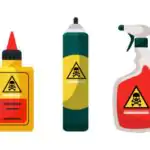
- Toxic Fumes – Perilous gases or vapors that can cause harm.
Lesson Evaluation
To evaluate the learning, the teacher asks pupils to:
- Why is clean air vital?
- Name two diseases spread through the air.
- Mention two harmful substances found in the air.
- Name two harmful effects of strong wind or polluted air.
- How can we reduce air pollution?
Assignment/Homework
- List three ways to prevent air pollution in your community.
- Write two ways to avoid smoke, dust or unknown fumes.
- Draw a picture showing the effects of air pollution on the environment.
Differentiation
- For slower learners: Provide simplified explanations and visual aids.
- For advanced learners: Encourage them to research and present on air quality solutions.
- For visual/auditory/kinesthetic learners: Use videos, discussions, and hands-on activities to cater to different learning styles.
Note for Teachers
Ensure to use real-life examples and visual aids to make the lesson relatable and engaging for the pupils.Emphasize the importance of personal obligation in maintaining clean air.


Community Join the conversation Open discussion +