

Class: Primary Two
Term: Third Term
Subject: Basic Science and Technology
Curriculum theme: Basic Science
Previous Lesson: The Air and its Uses
Topic: Things That Float In The Air
Content/Learning Area: Identifying things that float in the air, Showing curiosity about floatation, Creating models of floating objects, Discussing floatation in groups
time Allocation: 40 minutes
Performance Objectives
By the end of the lesson, pupils should be able to:
- Cognitive Domain:
1. Identify and name things that float in the air.
2. Explain why some things float in the air.
- Affective Domain:
1. Show curiosity and interest in learning about how things float.
- Psychomotor Domain:
1. Create simple models of things that float in the air.
- Social Domain:
1.Discuss and share ideas about things that float in the air in groups.
Reference Materials
- 9 – Years Basic Education Curriculum
- Abuja Educational Resource Center Scheme of Work
- NAPPS National Unified Scheme of Work
- Relevant Textbooks
Instructional Materials
To deliver this lesson, the teacher will use the following materials: Pictures of things that float in the air, Balloons, Feathers, Lightweight paper, Chart paper, Markers.
Rationale for the Lesson
Understanding floatation in air is crucial for understanding basic principles of physics and aerodynamics. This lesson lays a foundation for future learning about flight and weather patterns.
Prerequisite/Previous Knowledge
The teacher will start by asking pupils what they know about things that float on water.
Lesson Content
Things That Float in The Air
Floatation in air is similar to floatation in water,but it involves objects floating or flying in the air. This happens when the object is less dense (lighter) than the air around it or when it can displace (move or push) air to create lift.
Examples Of Things That Float in The air
Some things float in the air include:
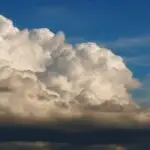
- Clouds
- Balloons
- Bubbles
- Feathers
- Lightweight paper
- kites
- Hot air balloons
These float because they are lighter than air or have shapes and materials that help them rise when air moves around them.
Why Some Things Stay in the Air
A light object can remain in moving air for a short time when the upward push of air slows its fall. Feathers, dry leaves, soap bubbles, kites and small paper shapes may appear to float, but gravity still pulls them down.
A kite needs wind and a string; a balloon filled with air eventually falls, while a helium balloon may rise. Pupils should test only safe objects and keep kites away from roads and electric wires.
Teaching Methods
To deliver this lesson, the teacher will adopt the following methods: Discussion,Exhibition,Group work,Question and answer.
Instructional Procedures
To deliver this lesson, the teacher will adopt the following steps:
Step 1: Introduction
Time: 5 minutes
Teaching Skill: Set Induction
Teacher’s Activity: Asks pupils what they know about things that float on water and introduces the topic of things floating in the air.
Pupils’ Activity: Respond to teacher’s questions and share their prior knowledge.
Step 2: Explanation of Key Concepts
Time: 10 minutes
Teaching Skill: Explanation
Teacher’s Activity: Explains the concept of floatation in air, using simple language and examples.
Pupils’ Activity: Listen attentively and ask clarifying questions.
Step 3: Demonstration/Guided Practise
Time: 10 minutes
Teaching Skill: Demonstration
Teacher’s Activity: Demonstrates how different objects float or don’t float in the air using balloons, feathers, and lightweight paper.
Pupils’ Activity: Observe the demonstration and participate in discussions.
Step 4: autonomous Practice
Time: 5 minutes
Teaching Skill: Guided Practice
Teacher’s Activity: Guides pupils in creating simple models of things that float in the air.
Pupils’ Activity: Create models and share their creations with the class.
Step 5: Note-Taking
Time: 5 minutes
Teaching Skill: Note-Taking
Teacher’s Activity: Guides pupils in taking notes on key concepts and examples.
Pupils’ Activity: Take notes on key concepts and examples.
Step 6: Evaluation/Review
Time: 5 minutes
Teaching Skill: Questioning
Teacher’s Activity: Asks evaluation questions to assess pupils’ understanding.
pupils’ Activity: Answer evaluation questions.
Objective-aligned checks:
- Identify and name things that float in the air.
- Explain why some things float in the air.
- Show curiosity and interest in learning about how things float.
Step 7: Conclusion
Time: 5 minutes
Teaching Skill: Summarization
Teacher’s Activity: Summarizes the key concepts and encourages pupils to continue exploring things that float in the air.
Pupils’ Activity: Listen to the summary and ask any remaining questions.
Lesson Keywords
- Floatation – The ability of an object to rise and stay on the surface of a liquid or in the air.
- Density – The measure of how much mass is in a certain volume.
- Lift – The upward force that opposes the weight of an object.
- Aerodynamics – The study of how air moves around objects.
- Buoyancy – The ability or tendency to float in water, air, or some other fluid.
Lesson Evaluation
To evaluate the learning, the teacher asks pupils to:
- Name three things that float in the air.
- Why do balloons float in the air?
- Can a stone float in the air? Why or why not?
- What are some other examples of things that float in the air?
- How do clouds float in the air?
Assignment/Homework
- Find and draw pictures of three different things that float in the air.
- Explain in your own words why a feather floats but a rock does not.
- Build a small model of something that can float in the air using materials you find at home.
Differentiation
- For slower learners: Provide one-on-one assistance and use simpler examples.
- For advanced learners: Encourage them to research and present additional examples of things that float in the air.
- For visual/auditory/kinesthetic learners: Use visual aids, verbal explanations, and hands-on activities to cater to different learning styles.
Note for Teachers
Ensure to use real-life examples and demonstrations to make the lesson engaging and understandable for the pupils. Encourage active participation and questioning throughout the lesson.



Community Join the conversation Open discussion +