

Class: Primary Two
Term: Third term
Subject: Pre-vocational Studies
Curriculum Theme: Home Economics
Previous Lesson: Home Furnishing
Topic: Harmful Substances That Could Be Taken Into The Body
Content/Learning Area: Defining harmful substances,Understanding the importance of avoiding harmful substances,Discussing the dangers of consuming harmful substances and ways to help friends avoid them
Time Allocation: 40 minutes
Performance Objectives
By the end of the lesson,pupils should be able to:
- Cognitive Domain:
- Define and list three examples of harmful substances that could be taken into the body.
- Affective Domain:
- Discuss with peers why it is bad to consume harmful substances.
- Show empathy and willingness to help friends avoid harmful substances.
- Psychomotor Domain:
- Demonstrate an understanding of how to avoid harmful substances.
- Social Domain:
- Cooperate with peers in discussions about harmful substances.
Reference Materials
- 9 – Years Basic Education Curriculum
- Abuja Educational resource center Scheme of Work
- NAPPS National Unified Scheme of Work
- Relevant textbooks
Instructional materials
To deliver this lesson, the teacher will use a whiteboard or chart paper, markers, and relevant pictures or illustrations of harmful substances.
Rationale for the Lesson
This lesson is crucial for pupils’ safety and well-being. Understanding harmful substances helps them make informed choices and protect themselves from potential harm,contributing to their overall health and safety.
Prerequisite/Previous Knowledge
The teacher will start by asking pupils what they know about staying safe and healthy. A brief discussion will follow,leading into the topic of harmful substances.
Lesson Content
Harmful Substances That Could Be Taken into The Body
Harmful substances are things that can make us sick if we eat, drink, or touch them.
Examples are:
- Pesticides (used to kill bugs on plants)
- Cleaning chemicals (like bleach and disinfectants)
- Expired or spoiled foods
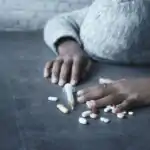
- Medicines not prescribed to you
- Alcohol
- Smoke or fumes from cars or factories
Avoiding these substances is crucial for good health.
How Harmful Substances Enter the Body
Harmful substances may enter through swallowing, breathing, skin contact or the eyes. Household chemicals must never be poured into drink bottles because someone may mistake them for water. Smoke and fumes should not be deliberately inhaled.
If exposure occurs, pupils should move away from danger and alert an adult immediately. They should not force vomiting, mix chemicals or give an unknown remedy. The product container or label can help a responsible adult or health worker decide the correct action.
Teaching Methods
To deliver this lesson, the teacher will adopt the following methods: Discussion, Question and Answer, and Presentation.
Instructional Procedures
To deliver this lesson,the teacher will adopt the following steps:
Step 1: Introduction
Time: 5 minutes
Teaching Skill: Questioning
Teacher’s Activity: Ask pupils what they know about staying safe and healthy. Introduce the topic: Harmful Substances.
Pupils’ Activity: Respond to teacher’s questions and listen attentively.
Step 2: Description of Key Concepts
Time: 10 minutes
Teaching skill: Explaining
Teacher’s Activity: Define harmful substances and give examples (pesticides, cleaning chemicals, expired food, etc.).pupils’ Activity: Listen attentively and take notes.
Step 3: Exhibition/Guided Practise
Time: 10 minutes
Teaching Skill: demonstrating
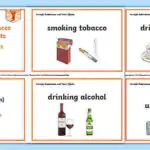
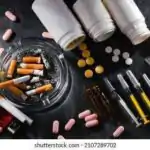
Teacher’s Activity: Show pictures of harmful substances and discuss the dangers of each.
Pupils’ Activity: Observe and participate in discussions.
Step 4: Self-Reliant Practice
Time: 5 minutes
Teaching Skill: Monitoring
Teacher’s Activity: ask pupils to name three harmful substances.
Pupils’ Activity: Identify and name harmful substances.
Step 5: Note-Taking
Time: 5 minutes
Teaching Skill: Guiding
Teacher’s Activity: Guide pupils in summarizing key points.
Pupils’ Activity: Write down key points in their notebooks.
Step 6: Evaluation/Review
Time: 5 minutes
Teaching Skill: Assessing
Teacher’s Activity: Ask evaluation questions.
Pupils’ Activity: Answer evaluation questions.
Objective-aligned checks:
- Define and list three examples of harmful substances that could be taken into the body.
- Show empathy and willingness to help friends avoid harmful substances.
- Demonstrate an understanding of how to avoid harmful substances.
Step 7: Conclusion
Time: 5 minutes
Teaching Skill: Summarizing
Teacher’s Activity: Summarize the key points and remind pupils of the importance of avoiding harmful substances. Praise pupils for their participation and encourage them to continue practicing safe habits.Pupils’ Activity: Listen attentively and ask questions for clarification.
Lesson keywords
- Harmful Substances – Things that can make us sick if we eat, drink, or touch them.
- pesticides – Substances used to kill bugs on plants.
- Cleaning Chemicals – Substances like bleach and disinfectants used for cleaning.
- Expired Foods – Foods that are no longer safe to eat because they are past their expiration date.
- Toxins – Poisonous substances that can cause harm to the body.
Lesson evaluation
To evaluate the learning, the teacher asks pupils to:
- Name three harmful substances mentioned today.
- Explain why it is bad to consume or touch these substances.
- Describe one way to avoid harmful substances at home or school.
- What are some other harmful substances you can think of?
- How can you help your friends avoid harmful substances?
Assignment/Homework
- List five harmful substances you can find at home and explain how to avoid them.
- Draw a picture showing how to safely store harmful substances at home.
- Write a short paragraph on why it is significant to avoid taking harmful substances into the body.
Differentiation
- For slower learners: Provide one-on-one assistance and use simpler language.
- For advanced learners: Encourage them to research and present additional examples of harmful substances.
- For visual/auditory/kinesthetic learners: Use pictures, discussions, and hands-on activities to reinforce learning.
Note for Teachers
Ensure to use real-life examples and visual aids to make the lesson more engaging and understandable for the pupils. emphasize the importance of seeking help from adults when they encounter harmful substances.
Community Join the conversation Open discussion +