

Class: Primary Two
Term: First Term
Subject: Basic Science and Technology
Curriculum Theme: Basic technology
Previous Lesson: Meaning and Examples of Clay
Topic: Types of Clay Soil
Content/Learning Area: Types of clay Soil, Importance of Identifying Different Types of Clay Soil
Time Allocation: 40 minutes
Performance Objectives
By the end of the lesson, pupils should be able to:
- Cognitive Domain:
1. List two types of clay soil.
2. Identify the characteristics of different types of clay soil.
3. Explain the importance of identifying different types of clay soil.
- Affective Domain:
1. Show interest in learning about different types of soil.
2. Appreciate the importance of soil types in plant growth.
- Psychomotor Domain:
1. Distinguish between different types of clay soil samples (if applicable).
- Social domain:
1. Participate actively in class discussions.
2. Work cooperatively with peers (if group activities are included).
Reference Materials
- 9 – Years basic Education Curriculum
- Abuja Educational Resource Center Scheme of Work
- NAPPS national Unified Scheme of work
- Online Details
- Relevant Textbooks
Instructional Materials
To deliver this lesson, the teacher will use the following materials:
- Whiteboard or chart paper
- Markers or crayons
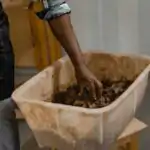
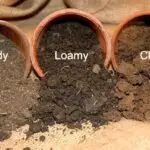
- Pictures or samples of different clay soil types (optional)
Rationale for the Lesson
Understanding different types of clay soil is crucial for agriculture and environmental studies. This lesson provides a foundation for future learning in science and environmental awareness.
Prerequisite/Previous Knowledge
Pupils have a basic understanding of soil and its importance.
Lesson Content
Types of Clay Soil
Clay soil is made of tiny particles that hold lots of water. This makes it fertile but can make plant growth tough. Different types of clay soil have unique properties.
Red Clay Soil
Red clay soil is rich in iron oxide, giving it a red color and is often found in warm areas.
Black Clay Soil
Black clay soil is rich in organic matter, giving it a dark color and is often found in cool areas.
Sandy Clay Soil
Sandy clay soil is a mix of clay and sand. It is less fertile than other clay soils but well-drained.
Loamy Clay Soil
Loamy clay soil is a mix of clay, sand, and silt. It is very fertile and good for many plants.
Sticky Clay Soil
Sticky clay soil is very dense and hard to work with and is often found in rainy areas.
Understanding thes different types helps us grow plants better in various environments. Learning about clay soil is critically important for understanding soil types.
Teaching Methods
To deliver this lesson, the teacher will adopt the following methods: Discussion, Question and answer, Visual aids (pictures or samples).
Instructional Procedures
To deliver this lesson, the teacher will adopt the following steps:
Step 1: Introduction (Set Induction)
Time: 5 minutes
Teaching Skill: Set Induction
Teacher’s Activity: Briefly review previous knowledge about soil. Introduce the topic of clay soil types.
Pupils’ Activity: Participate in discussion, share prior knowledge.
Step 2: Explanation of Key Concepts
Time: 15 minutes
Teaching Skill: Explanation
Teacher’s Activity: Explain the characteristics of different clay soil types (red, black, sandy, loamy, sticky). Use visual aids if available.
pupils’ Activity: listen attentively,ask clarifying questions.
Step 3: Demonstration/guided Practice
Time: 10 minutes
Teaching Skill: Guided Practice
Teacher’s Activity: Show examples of different clay soil types (if available). Guide pupils in identifying characteristics.pupils’ Activity: Observe, participate in identification activities.
Step 4: Autonomous Practice
Time: 5 minutes
Teaching Skill: independant Practice
Teacher’s Activity: Ask pupils to list two types of clay soil and their characteristics.Pupils’ Activity: Complete the activity independently.
Step 5: note-Taking
Time: 2 minutes
Teaching Skill: Note-Taking
Teacher’s Activity: Guide pupils in taking notes on key concepts.
pupils’ Activity: Take notes.
Step 6: Evaluation/Review
Time: 3 minutes
Teaching Skill: Questioning, feedback
Teacher’s Activity: Ask review questions to assess understanding.
Pupils’ Activity: Answer questions.
Objective-aligned checks:
- List two types of clay soil.
- Identify the characteristics of different types of clay soil.
- Explain the importance of identifying different types of clay soil.
Step 7: Conclusion
Time: 2 minutes
Teaching Skill: Summarization
Teacher’s Activity: Summarize the key features of different clay soil types and emphasize the importance of understanding soil types for plant growth and environmental awareness.
Pupils’ Activity: listen and ask any remaining questions.
Lesson Keywords
- Clay Soil – Soil composed of fine mineral particles.
- Red Clay – Clay soil rich in iron oxide,giving it a red color.
- Black Clay – Clay soil rich in organic matter, giving it a dark color.
- Sandy Clay – A mix of clay and sand, less fertile but well-drained.
- Loamy Clay – A mix of clay, sand, and silt, very fertile.
- Sticky Clay – Very dense and hard to work with.
Lesson Evaluation
To evaluate the learning, the teacher asks pupils to:
- name two types of clay soil.
- Why is it critically important to know about different clay soils?
- Describe red clay soil.
- Describe black clay soil.
- Describe sandy clay soil.
Assignment/Homework
- Find examples of different types of clay soil in your surroundings.
- Draw pictures of plants that grow well in clay soil.
- Write a short paragraph about the importance of soil in our lives.
Differentiation
- For slower learners: Provide one-on-one assistance and simplified explanations.
- For advanced learners: Encourage further research on specific clay soil types and their uses.
- For visual/auditory/kinesthetic learners: Use visual aids, hands-on activities, and group discussions to cater to different learning styles.
Note for Teachers
Ensure to bring samples or pictures of different clay soil types to enhance understanding. Encourage pupils to share their observations and experiences with soil in their environment.
Community Join the conversation Open discussion +