

Class: Primary Four
Term: Second Term
Subject: Basic Science and Technology
Curriculum Theme: Basic Science
Previous Lesson: Condensation of Water
Topic: Water As A Solvent
Content/learning Area: What is a solvent?, Substances That Can Dissolve In water, Practical Applications of Water as a Solvent
Time Allocation: 40 minutes
performance Objectives
by the end of the lesson, pupils should be able to:
- Cognitive Domain:
– List and understand substances that can dissolve in water.
– Explain why water is a good solvent.
– Describe the practical applications of water as a solvent.
- Affective Domain:
– Appreciate the importance of water as a solvent in daily life.
- Psychomotor Domain:
– Demonstrate the process of dissolving various substances in water.
- Social Domain:
– Participate actively in class discussions and group activities.
Reference Materials
- 9 – years basic Education Curriculum
- Abuja Educational Resource Center scheme of Work
- NAPPS National Unified Scheme of Work
- Relevant Textbooks
Instructional Materials
To deliver this lesson, the teacher will use the following materials:
- Whiteboard or chart
- Markers or chalk
- Various substances (salt, sugar, coffee, baking soda, etc.)
- containers of water
- Spoons or stirrers
Rationale for the Lesson
Understanding water as a solvent is crucial for comprehending many everyday processes and phenomena. This lesson lays the foundation for future learning in chemistry and other scientific fields.
Prerequisite/Previous Knowledge
The teacher will start by asking pupils what they know about water and its uses. A brief discussion will follow, leading into the topic of water as a solvent.
lesson Content
what is a Solvent?
A solvent is a substance that dissolves another substance. Water is a great solvent as it can dissolve many things.
Substances That Can Dissolve In Water
A solute is the substance that dissolves in a solvent.
Examples are:
- Salt
- Sugar
- Coffee
- Baking soda
- Lemon juice
- Vinegar
- Alcohol
- Detergents
- Fertilizers
- Dyes
Practical Applications of Water as a Solvent
Water’s ability to dissolve various substances makes it essential in many aspects of daily life.
These include:
- Cooking: Water dissolves salt, sugar, and other ingredients.
- Cleaning: Water dissolves dirt and grease.
- Medicine: Water dissolves medicines.
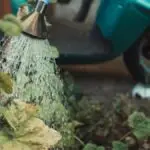
- Agriculture: water dissolves fertilizers for plants.
- Industry: Water dissolves substances in many processes.
- Laundry: water dissolves soap and helps remove stains from clothes.
- Beverages: Water is used to dissolve flavorings and create drinks like juice and tea.
Teaching Methods
To deliver this lesson, the teacher will adopt the following methods: Discussion, Demonstration, Practical Activity
Instructional Procedures
To deliver this lesson, the teacher will adopt the following steps:
Step 1: Introduction
Time: 5 minutes
Teaching Skill: Set Induction
Teacher’s Activity: Asks pupils about their prior knowledge of water and its uses.
Pupils’ Activity: Respond to the teacher’s questions and participate in the discussion.
step 2: clarification of Key Concepts
Time: 10 minutes
Teaching Skill: Clarification
Teacher’s Activity: Explains the concept of a solvent and solute, using simple examples.
Pupils’ Activity: Listen attentively and ask clarifying questions.
Step 3: Demonstration/Guided Practice
Time: 10 minutes
Teaching Skill: demonstration
Teacher’s Activity: Demonstrates dissolving different substances in water,explaining the process.Pupils’ Activity: Observe the demonstration and participate in guided practice.
Step 4: Autonomous Practice
Time: 5 minutes
Teaching Skill: Monitoring
Teacher’s Activity: Guides pupils as they perform the experiment independently.
Pupils’ Activity: Perform the experiment and record their observations.
Step 5: Note-Taking
Time: 5 minutes
Teaching Skill: Summarizing
Teacher’s activity: Summarizes the key concepts and guides pupils in note-taking.Pupils’ Activity: Take notes and summarize the lesson.
step 6: Evaluation/Review
Time: 5 minutes
teaching Skill: Questioning
Teacher’s Activity: Asks evaluation questions and provides feedback.
Pupils’ Activity: Answer the evaluation questions.
Step 7: Conclusion
Time: 5 minutes
Teaching Skill: Summarizing
Teacher’s activity: Summarizes the key points and assigns a short homework activity.
Pupils’ Activity: Listen to the summary and note the homework assignment.
Lesson Keywords
- Solvent – A substance that dissolves another substance.
- Solute – A substance that is dissolved in a solvent.
- Dissolve – To become or cause to become incorporated into a liquid so as to form a solution.
- Universal Solvent – A substance that dissolves moast chemicals.
Lesson Evaluation
To evaluate the learning, the teacher asks pupils to:
- Why is water called a universal solvent?
- Name five substances that dissolve in water.
- How does water help us in our daily lives?
- Can you think of other ways water is used as a solvent?
Assignment/Homework
- List five additional substances that can dissolve in water.
- Describe how water is used as a solvent in cooking at home.
- Explain why it is indeed significant for water to be a good solvent in our bodies.
Differentiation
- For slower learners: Provide one-on-one assistance and simplified explanations.
- For advanced learners: encourage them to explore additional examples and applications of water as a solvent.
- For visual/auditory/kinesthetic learners: Use visual aids, demonstrations, and hands-on activities to cater to different learning styles.
Note for Teachers
Ensure all materials are prepared in advance.Supervise pupils closely during the practical activity to ensure safety. Encourage active participation and questioning throughout the lesson.
Community Join the conversation Open discussion +