

Class: Primary four
Term: Second term
Subject: Basic Science and technology
Curriculum Theme: Basic Science
Previous lesson: Human Body, The Mouth
Topic: the Mouth: The Gateway to Digestion
Content/Learning Area: The Mouth: The Gateway to Digestion, Types of Teeth, Dental Hygiene: keeping Your Teeth Healthy
Time Allocation: 40 minutes
Performance Objectives
By the end of the lesson, pupils should be able to:
- Cognitive Domain:
1. Explain the functions of different types of teeth.
2. Describe the importance of dental hygiene.
3. Identify the role of the mouth in digestion.
- Affective Domain:
1. Develop an gratitude for dental hygiene and its role in health.
2. Engage in a group discussion about personal experiences with dental care.
- Psychomotor Domain:
1.Demonstrate proper tooth brushing techniques (if applicable).
- Social Domain:
1. Participate actively in class discussions.
Reference Materials
- 9 – Years Basic Education Curriculum
- Abuja Educational Resource Center Scheme of Work
- NAPPS National Unified Scheme of Work
- Relevant textbooks
Instructional Materials
To deliver this lesson, the teacher will use the following materials:
- Whiteboard or chart
- Markers or pens
- Pictures or diagrams of teeth
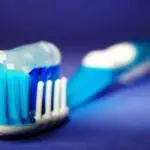
- Optional: Toothbrush and toothpaste for exhibition
Rationale for the Lesson
Understanding the mouth’s function in digestion and the importance of dental hygiene is crucial for maintaining good health, laying a foundation for future learning and promoting healthy habits.
Prerequisite/Previous Knowledge
Pupils have a basic understanding of food and eating.
Lesson Content
The Mouth: The Gateway to Digestion
the mouth is the beginning of the digestive system, where we start breaking down food.
What is the Feeding System?
The feeding system, also known as the digestive system, is a group of organs working together to break down food into smaller parts. These smaller parts are then used by our bodies for energy and growth.
Types of Teeth
Teeth are essential for breaking down food in the mouth. They come in different shapes and sizes, each designed for a specific function.
The following are the types of teeth:
- Incisors: These are the front teeth, shaped like sharp chisels, used for biting and cutting food.
- Canines: Pointed teeth next to the incisors, used for tearing and ripping food, especially meat.
- Premolars: located between canines and molars with a flat surface with ridges; used to crush and grind food.
- Molars: Largest teeth at the back of the mouth with a large, flat surface; used to grind and crush food.
Dental hygiene: Keeping Your Teeth Healthy
dental hygiene involves practices that keep the mouth and teeth clean to prevent dental problems.
The importance of brushing daily includes:
- Prevents tooth decay by removing food and plaque.
- Helps prevent gum disease.
- Keeps breath fresh.
- Contributes to overall health.
- Prevents bad breath.
- Maintains the appearance of teeth.
Teaching Methods
To deliver this lesson, the teacher will adopt the following methods: Discussion, Question and answer, Visual aids.
Instructional Procedures
To deliver this lesson, the teacher will adopt the following steps:
step 1: Introduction
Time: 5 minutes
Teaching Skill: Set Induction
Teacher’s Activity: Asks pupils what they ate for breakfast and initiates a discussion about food and eating.
Pupils’ Activity: respond to the teacher’s questions and participate in the discussion.
Step 2: Clarification of Key Concepts
Time: 10 minutes
Teaching Skill: Explanation
Teacher’s activity: Explains the role of the mouth in digestion and introduces the four types of teeth.
Pupils’ Activity: Listen attentively and ask clarifying questions.
Step 3: demonstration of Teeth Types and Functions
Time: 10 minutes
Teaching Skill: Demonstration
Teacher’s Activity: shows pictures/diagrams of teeth and explains their functions. (Optional: Demonstrates proper tooth brushing techniques.)
Pupils’ Activity: Observe the demonstration and participate in discussions about the different types of teeth.
Step 4: Independent Practice
Time: 5 minutes
Teaching Skill: guided practice
Teacher’s Activity: Asks pupils to identify the types of teeth from pictures or descriptions.
Pupils’ Activity: Identify the types of teeth and explain their functions.
Step 5: Note-Taking
Time: 5 minutes
Teaching Skill: Note-Taking
Teacher’s Activity: Guides pupils in taking notes on key concepts.Pupils’ Activity: take notes on the lesson.
Step 6: Evaluation/Review
Time: 5 minutes
Teaching Skill: Questioning
Teacher’s Activity: Asks evaluation questions to assess understanding.
Pupils’ activity: Answer the evaluation questions.
Objective-aligned checks:
- Explain the functions of different types of teeth.
- Describe the importance of dental hygiene.
- Identify the role of the mouth in digestion.
Step 7: Conclusion
Time: 5 minutes
Teaching Skill: Summarization
Teacher’s Activity: Summarizes the key points about the mouth, teeth, and dental hygiene, emphasizing the importance of healthy habits.
Pupils’ Activity: Listen to the summary and ask any remaining questions.
Lesson Keywords
- Digestion – The process of breaking down food into smaller parts that the body can use.
- Incisors – The front teeth used for biting and cutting food.
- Canines – Pointed teeth used for tearing food.
- Premolars – Teeth located between canines and molars, used for crushing and grinding food.
- Molars – Large teeth at the back of the mouth used for grinding food.
- Dental Hygiene – Practices that keep the mouth and teeth clean to prevent dental problems.
Lesson Evaluation
To evaluate the learning,the teacher asks pupils to:
- What are the four main types of teeth and their functions?
- Why is brushing your teeth important?
- How does the mouth help in digestion?
- What are some ways to keep your teeth healthy?
Assignment/Homework
- Draw and label the four types of teeth.
- Write a short paragraph on why dental hygiene is important.
- list three ways to keep your teeth healthy.
Differentiation
- For slower learners: Provide one-on-one assistance and use simpler language.
- For advanced learners: Encourage further research on dental health and the digestive system.
- For visual/auditory/kinesthetic learners: Use visual aids, demonstrations, and hands-on activities to reinforce learning.
Note for Teachers
Ensure to use visual aids and real-life examples to make the lesson engaging. Emphasize the importance of dental hygiene for overall health.


Community Join the conversation Open discussion +