

Class: Primary four
Term: First Term
subject: Basic Science and Technology
Curriculum Theme: Basic Science
previous Lesson:
Topic: Changes in Plants
Content/Learning Area: Leaf fall, Color of leaves, Flowers and fruits
Time Allocation: 40 minutes
Performance objectives
By the end of the lesson, pupils should be able too:
- Cognitive Domain:
1. Identify physical changes in plants.
2. Explain the reasons behind leaf fall and color changes in plants.
3. Describe the role of flowers and fruits in the plant life cycle.
- Affective Domain:
1. Show interest in learning about plant life cycles.
2. Appreciate the importance of changes in plants for their survival.
- Psychomotor Domain:
1. Observe and record changes in plants.
- Social Domain:
1. Participate actively in class discussions.
2. Work collaboratively with peers.
Reference Materials
- 9 – Years Basic Education curriculum
- Abuja Educational Resource Center scheme of Work
- NAPPS National Unified Scheme of Work
- Online Details
- Relevant textbooks
Instructional Materials
To deliver this lesson, the teacher will use the following materials:
- Charts showing plant life cycles
- Pictures of plants showing different changes
- Whiteboard or projector
Rationale for the Lesson
Understanding changes in plants is crucial for developing a basic understanding of plant biology and the natural world. this knowledge will be beneficial in future science lessons and fosters gratitude for nature.
Prerequisite/previous Knowledge
Pupils have a basic understanding of what plants are and their basic needs.
Lesson Content
Changes in Plants
Plants experience various changes throughout their lives, vital for growth and survival.
Leaf Fall
leaf fall is a natural process where trees shed their leaves.
The following are reasons for leaf fall:
- Trees shed leaves when they no longer need them for food production.
- This conserves energy, especially during winter.
- It helps the plant to reduce water loss during dry seasons.
- it protects the tree from damage caused by heavy snow or ice.
- It allows the tree to get rid of old or damaged leaves.
Color of Leaves
The color of leaves changes due to various factors.
Thes include:
- Chlorophyll makes leaves green.
- Shorter days and less sunlight cause chlorophyll breakdown, leading to color changes.
- Changes in temperature can affect the production of pigments in leaves.
- Nutrient deficiencies can cause leaves to change color.
- Certain diseases can also cause leaves to change color.
Flowers and Fruits
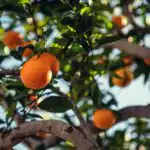
Flowers and fruits play essential roles in the plant life cycle.
They are:
- Flowers are reproductive parts of plants.
- Bright colors and scents attract pollinators like bees and butterflies.
- Fruits protect the seeds and aid in their dispersal.
- Fruits provide nutrients for the developing seeds.
- Fruits attract animals that help in seed dispersal.
Teaching Methods
To deliver this lesson, the teacher will adopt the following methods: Discussion, question and answer, Visual aids
Instructional Procedures
To deliver this lesson, the teacher will adopt the following steps:
Step 1: Introduction
Time: 5 minutes
Teaching Skill: Set Induction
Teacher’s Activity: Asks pupils what they know about plants and their life cycles. Shows pictures of plants undergoing changes.
Pupils’ activity: Respond to teacher’s questions and observe the pictures.
Step 2: Description of Key Concepts
Time: 15 minutes
Teaching skill: Description
Teacher’s Activity: Explains leaf fall, color changes in leaves, and the role of flowers and fruits.
Pupils’ Activity: Listen attentively and ask questions.
Step 3: Presentation/Guided Practice
Time: 10 minutes
Teaching Skill: Demonstration
Teacher’s Activity: Uses charts and pictures to illustrate the concepts.
Pupils’ Activity: Observe the demonstration and participate in discussions.
Step 4: Independent Practice
Time: 5 minutes
Teaching Skill: Guided Practice
Teacher’s Activity: Asks pupils to answer questions related to the lesson.
Pupils’ Activity: Answer questions individually or in groups.
Step 5: Note-Taking
Time: 2 minutes
teaching Skill: Note-Taking
Teacher’s Activity: Guides pupils in taking notes on key concepts.
Pupils’ Activity: Write down meaningful points.
Step 6: Evaluation/Review
Time: 3 minutes
teaching Skill: Review
teacher’s Activity: Reviews the key concepts and answers pupils’ questions.
pupils’ Activity: Participate in the review.
Objective-aligned checks:
- Identify physical changes in plants.
- Explain the reasons behind leaf fall and color changes in plants.
- Describe the role of flowers and fruits in the plant life cycle.
Step 7: Conclusion
Time: 2 minutes
Teaching Skill: Closure
Teacher’s Activity: Summarizes the key concepts and assigns homework.
Pupils’ Activity: Listen to the summary and note the homework.
Lesson Keywords
- Leaf Fall – The process by which plants shed their leaves.
- Chlorophyll – The green pigment in plants that absorbs sunlight for photosynthesis.
- Pollinators – Agents that transfer pollen from one flower to another,enabling fertilization.
- Photosynthesis – The process by which plants convert light energy into chemical energy.
- Pigments – Substances that give color to plant parts.
Lesson Evaluation
To evaluate the learning, the teacher asks pupils to:
- Why do leaves change color in autumn?
- What is the main purpose of flowers for a plant?
- Explain the process of leaf fall.
- How do shorter days affect leaf color?
- What are some advantages of leaf fall for trees?
Assignment/Homework
- Observe different plants in your environment and note any changes you see.
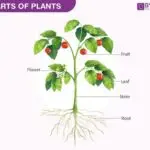
- Draw a plant and label its parts, including flowers and fruits.
- Write a short paragraph explaining why leaves fall from trees.
Differentiation
- For slower learners: Provide one-on-one assistance and simplified explanations.
- For advanced learners: Encourage further research on plant life cycles.
- For visual/auditory/kinesthetic learners: Use visual aids, discussions, and hands-on activities to cater to different learning styles.
Note for Teachers
Encourage pupils to observe plants in their environment and relate the lesson to real-life examples. Use visual aids and interactive activities to make the lesson engaging and memorable.
Community Join the conversation Open discussion +