

Class: Primary Four
Term: Second Term
Subject: Basic Science and Technology
Curriculum Theme: Basic Science
Previous Lesson: Human Digestive System, The Alimentary Canal and Its Parts
Topic: Water
Content/Learning Area: What is Water?, qualities of Good Water, Differences Between Water and Other Liquids, Importance of Water
Time Allocation: 40 minutes
Performance Objectives
By the end of the lesson, pupils should be able to:
- Cognitive Domain:
1. Define water.
2. List the qualities of good water.
3. Explain the differences between water and other liquids.
4. Explain the importance of water.
- Affective Domain:
1. Appreciate the importance of clean water for health.
2. Show concern for water conservation.
- Psychomotor Domain:
1. Identify examples of good and bad water sources.
- Social domain:
1. Work collaboratively in group activities.
Reference Materials
- 9 – Years Basic Education Curriculum
- Abuja Educational Resource Center Scheme of Work
- NAPPS National Unified Scheme of Work
- Online Details
- Relevant Textbooks
Instructional Materials
To deliver this lesson, the teacher will use the following materials:
- Whiteboard or chart
- Markers or chalk
- Pictures of water sources
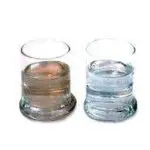
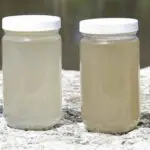
- Samples of clean and unclean water (if possible)
Rationale for the Lesson
Understanding the properties and importance of water is crucial for pupils’ health and well-being. This lesson lays the foundation for future learning about the water cycle, water conservation, and the habitat.
Prerequisite/Previous Knowledge
Pupils are familiar with water from thier daily activities, such as drinking, bathing, and washing.
Lesson Content
What is Water?
Water is a vital substance found everywhere. It’s a clear, colorless, odorless, and tasteless liquid. Its chemical formula is H2O, meaning it’s made of two hydrogen atoms and one oxygen atom.
Qualities of Good Water
Good,or potable,water is safe for drinking and other uses. The following are the qualities of good water:
- Clear and colorless
- Odorless and tasteless
- Free from harmful chemicals and pollutants
- Free from disease-causing microorganisms
- Contain small amounts of beneficial minerals
- Should be free from suspended particles
- Should have a pleasant taste
Differences Between Water and Other Liquids
Water differs from other liquids in several ways. These include:
- Taste and smell: Water is tasteless and odorless, unlike many other liquids.
- Boiling and freezing points: Water boils at 100°C and freezes at 0°C, which are different from many other liquids. Freezing point is an vital property.
- Chemical composition: Water has a simple molecular structure,unlike many other liquids.
- Solubility: water is a good solvent, dissolving many substances.
- Density: Water’s density changes less with temperature than many other liquids.
- Viscosity: Water has a lower viscosity compared to liquids like honey or oil.
- Surface Tension: Water has a high surface tension, allowing insects to walk on it.
Importance of Water
Water is essential for life, playing many crucial roles. They are:
- Hydration and health: Water keeps us hydrated,regulates body temperature, and helps organs function.
- Digestion: water aids in breaking down food for nutrient absorption.
- Nutrient and oxygen transport: water carries nutrients and oxygen throughout the body.
- Waste elimination: Water helps remove waste through urination, perspiration, and bowel movements.
- Body temperature regulation: Water helps regulate body temperature through sweating and respiration.
- Environmental importance: Water is vital for the environment.
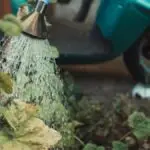
- Agriculture: Water is essential for irrigation and crop production.
- Industrial uses: Water is used in many industrial processes, such as cooling and cleaning.
Teaching Methods
To deliver this lesson, the teacher will adopt the following methods: discussion, Question and answer, Presentation
Instructional Procedures
To deliver this lesson, the teacher will adopt the following steps:
Step 1: Introduction
Time: 5 minutes
Teaching Skill: Set Induction
Teacher’s Activity: Ask pupils what they know about water and initiate a brief discussion.
Pupils’ Activity: Share their prior knowledge and participate in the discussion.
Step 2: Clarification of Key concepts
Time: 15 minutes
Teaching Skill: Clarification
Teacher’s Activity: Explain the definition of water, qualities of good water, and differences between water and other liquids.
Pupils’ Activity: Listen attentively and ask clarifying questions.
Step 3: Demonstration/Guided Practice
Time: 5 minutes
Teaching Skill: Demonstration
Teacher’s Activity: Show pictures of different water sources and discuss their qualities.
Pupils’ Activity: Observe and participate in the discussion.
Step 4: Autonomous Practice
Time: 5 minutes
Teaching skill: Guided Practice
Teacher’s Activity: Guide pupils in identifying examples of good and bad water sources.
Pupils’ Activity: Participate in identifying examples.
Step 5: Note-Taking
Time: 5 minutes
Teaching Skill: Note-Taking
Teacher’s Activity: guide pupils in taking notes on key concepts.
Pupils’ Activity: take notes on key concepts.
Step 6: Evaluation/Review
Time: 5 minutes
Teaching Skill: Questioning
teacher’s Activity: Ask evaluation questions to assess understanding.
Pupils’ Activity: Answer evaluation questions.
Objective-aligned checks:
- List the qualities of good water.
- Explain the differences between water and other liquids.
- Explain the importance of water.
Step 7: Conclusion
Time: 5 minutes
Teaching Skill: Summarizing
Teacher’s Activity: summarize the key points about water and its importance, emphasizing the need for clean water and responsible water usage. Assign homework.
Pupils’ Activity: Listen to the summary and note the homework assignment.
Lesson Keywords
- Water – A clear, colorless, odorless, and tasteless liquid essential for life.
- Potable Water – Water that is safe for drinking.
- Solvent – A substance that dissolves other substances.
- Hydration – The process of providing the body with an adequate supply of water.
- Pollutants – Substances that contaminate water and make it unsafe.
Lesson Evaluation
To evaluate the learning, the teacher asks pupils to:
- What is water made of?
- Name three qualities of good drinking water.
- How does water differ from juice in terms of taste and smell?
- Why is drinking enough water critically important for our health?
- Where does the water we drink come from?
Assignment/Homework
- Draw a picture of a water source in your community.
- Write a short paragraph about why water is important for our health.
- List three ways you can conserve water at home.
Differentiation
- For slower learners: Provide one-on-one assistance and use simpler language.
- For advanced learners: Encourage further research on water conservation and related topics.
- For visual/auditory/kinesthetic learners: Use visual aids, discussions, and hands-on activities to cater to different learning styles.
Note for Teachers
Ensure to use real-life examples and demonstrations to make the lesson engaging and relatable for the pupils. Emphasize the importance of water conservation and hygiene practices.

Community Join the conversation Open discussion +