

Class: Primary Three
Term: Third Term
Subject: Basic Science and Technology
Curriculum Theme: Physical & Health Education
Previous Lesson:
Topic: Health and Personal Hygiene
content/Learning Area: the concept of personal hygiene, Importance of maintaining personal hygiene, How personal hygiene affects relationships with peers
Time Allocation: 40 minutes
Performance Objectives
By the end of the lesson, pupils should be able to:
- Cognitive Domain:
1. Explain the concept of personal hygiene and its relationship to health.
2. Identify the importance of maintaining personal hygiene.
3.Discuss how personal hygiene affects relationships with peers.
- Affective Domain:
1. Appreciate the importance of personal hygiene for overall well-being.
2. Develop positive attitudes towards maintaining cleanliness.
- Psychomotor Domain:
1. Demonstrate proper handwashing techniques.
2. Practice regular bathing and grooming habits.
- Social Domain:
1. Interact positively with peers by maintaining good hygiene.
2. Share knowledge about personal hygiene with family and friends.
Reference Materials
- 9 – years Basic Education Curriculum
- Abuja Educational Resource Center Scheme of Work
- NAPPS national Unified Scheme of Work
- Relevant Textbooks
Instructional Materials
To deliver this lesson, the teacher will use the following materials:
- Whiteboard or chart
- Markers or chalk
- Pictures or illustrations related to personal hygiene
- Soap and water (for presentation)
Rationale for the Lesson
This lesson is crucial for pupils’ overall health and well-being. Understanding and practicing good personal hygiene habits will help them prevent illnesses, boost self-esteem, and improve social interactions, benefiting them throughout their lives.
Prerequisite/Previous Knowledge
The teacher will start by asking pupils about their daily routines, focusing on activities related to cleanliness. A brief discussion on the importance of looking and feeling good will follow, leading into the lesson’s topic.
Lesson Content
Health And Personal Hygiene
Personal hygiene involves keeping our bodies clean and healthy to prevent illness and feel good. It’s about caring for different parts of our bodies.
Importance of Personal Hygiene
Maintaining personal hygiene is essential for several reasons, contributing to overall health, well-being, and social interactions.
The following are reasons why personal hygiene is notable:
- Prevents Disease: Cleanliness helps avoid germs that cause sickness. Washing hands removes germs and prevents disease spread.
- Boosts Self-esteem: Being clean makes us feel better about ourselves, boosting confidence.
- Improves Social Interactions: Good hygiene makes us more pleasant to be around, helping us make friends.It shows we care about ourselves and others.
- Promotes Health: Regular washing and grooming keep us healthy and strong, preventing skin infections.
- Prevents Skin Infections: Clean skin is less likely to get infected or irritated. Keeping our skin clean prevents bacteria growth.
- Reduces Body Odor: Regular bathing and use of deodorants help control unpleasant body odors, making interactions more comfortable.
- Enhances Mental Well-being: Feeling clean and fresh can improve mood and reduce stress, contributing to better mental health.
- Protects Against Parasites: Proper hygiene practices, such as washing clothes and bedding, help prevent infestations by lice, mites, and other parasites.
Teaching Methods
To deliver this lesson, the teacher will adopt the following methods: Discussion, Demonstration, Question and answer.
Instructional Procedures
To deliver this lesson, the teacher will adopt the following steps:
Step 1: Introduction (Set Induction)
Time: 5 minutes
Teaching Skill: Questioning
Teacher’s Activity: Ask pupils about their daily routines, focusing on cleanliness. Introduce the topic: Health and Personal Hygiene.
Pupils’ Activity: Respond to teacher’s questions and listen attentively.
Step 2: Clarification of key Concepts
Time: 10 minutes
Teaching Skill: Explaining
Teacher’s Activity: Explain the concept of personal hygiene and its importance.
Pupils’ Activity: Listen attentively and ask clarifying questions.
Step 3: Demonstration/Guided Practice
Time: 10 minutes
Teaching Skill: Demonstrating
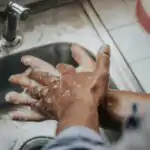
Teacher’s Activity: Demonstrate proper handwashing techniques.
Pupils’ Activity: Observe the demonstration and practice handwashing.
Step 4: Independent Practice
Time: 5 minutes
Teaching Skill: Monitoring
Teacher’s Activity: Supervise pupils as they practice personal hygiene habits.
Pupils’ Activity: Practice independently.
Step 5: Note-Taking
Time: 5 minutes
Teaching Skill: Guiding
Teacher’s Activity: Guide pupils in taking notes on key concepts.
pupils’ Activity: Take notes.
Step 6: Evaluation/Review
Time: 5 minutes
Teaching Skill: Questioning
Teacher’s Activity: Ask review questions to assess understanding.
Pupils’ Activity: answer questions.
Objective-aligned checks:
- Explain the concept of personal hygiene and its relationship to health.
- Identify the importance of maintaining personal hygiene.
- Demonstrate proper handwashing techniques.
Step 7: Conclusion
Time: 2 minutes
Teaching skill: Summarizing
Teacher’s Activity: Summarize the key points about personal hygiene and encourage pupils to practice good hygiene habits daily. Assign a short homework activity.
Pupils’ Activity: listen attentively and note the homework assignment.
Lesson Keywords
- Hygiene – Practices that maintain health and prevent disease, especially through cleanliness.
- Germs – Microorganisms that can cause disease.
- Cleanliness – The state of being clean and free from dirt or pollutants.
- Self-esteem – Confidence in one’s own worth or abilities.
- Handwashing – The act of cleaning one’s hands with soap and water to remove dirt and germs.
Lesson Evaluation
To evaluate the learning,the teacher asks pupils to:
- What does personal hygiene mean?
- Why is personal hygiene significant for our health? Give examples.
- What are two personal hygiene practices you learned today?
- How can good personal hygiene help us make friends?
- Why is it important to wash our hands regularly? Explain.
Assignment/Homework
- Draw a picture illustrating good hygiene practices.
- List five ways you can maintain personal hygiene every day.
- Explain to a family member why personal hygiene is critically important.
Differentiation
- For slower learners: Provide one-on-one assistance and use simpler language.
- For advanced learners: Encourage them to research additional personal hygiene practices and share their findings with the class.
- For visual/auditory/kinesthetic learners: Use visual aids,demonstrations,and hands-on activities to reinforce learning.
Note for Teachers
Encourage pupils to share their personal experiences related to hygiene.Emphasize the importance of consistency in practicing good hygiene habits.Use positive reinforcement to motivate pupils to maintain cleanliness.

Community Join the conversation Open discussion +