

Class: Primary 5
Term: 3rd Term
subject: Basic Science And Technology
Curriculum theme: Basic Technology
Previous Lesson: Types Of Electricity, Current And Friction
Topic: Electricity Generation by Solar And Chemical Energy
content/Learning Area: Electricity generation by solar energy, Electricity generation by chemical energy to light.
Time Allocation: 40 minutes
Performance Objectives
By the end of the lesson, pupils should be able to:
- Cognitive Domain: Explain how electricity is generated from solar and chemical energy.
- Affective Domain: Show interest in using clean sources of electricity.
- Psychomotor Domain: Identify materials used for generating solar and chemical electricity.
- Social Domain: Participate in group discussions on energy sources.
Reference Materials
The following resources were used in planning this lesson:
- 9 Years Basic Education Curriculum
- Abuja Educational Resource Center scheme of work
- NAPPS National Unified Scheme of Work
- Online Information from: Wikipedia – Solar energy
- Relevant Textbooks
Instructional materials
To deliver this lesson, the teacher will employ the help of the following materials:
- Chart showing solar panels and batteries
- Real or toy solar panel
- Torchlight with batteries
- Dry cell battery
- Connecting wires
- Simple circuit setup
Rationale for the Lesson
Understanding solar and chemical electricity helps learners appreciate safe and clean energy sources around them.
Prerequisite/Previous Knowledge
Pupils already know about the uses of electricity and simple electrical devices at home.
Lesson Content
Electricity Generation By Solar And Chemical Energy
Electricity can be made using the sun or using stored chemicals. These two methods are clean and useful in our homes and schools.
Solar Energy
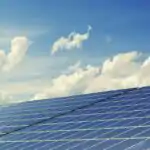
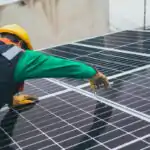
Solar energy comes from the sun. It is used to make electricity by using solar panels.
The following are ways solar energy is used to make electricity:
- Solar panels collect sunlight
- Sunlight changes to electric current
- Electricity is stored in batteries
- Stored power is used to light bulbs
- It works well during sunny days
Chemical Energy
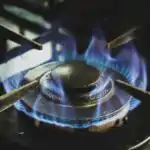
Chemical energy comes from the reactions inside batteries. It is used to light things like torchlights and remote controls.
These include ways chemical energy gives electricity:
- Batteries store chemical power
- Chemical power turns to electric energy
- Wires carry the electric energy
- It powers small devices like clocks
- It is useful when there is no light
Teaching Methods
To deliver this lesson, the teacher will adopt the following methods: Discussion, Lecture, Demonstration, Explanation, Visual Aids, Group Work
Instructional Procedures
To deliver this lesson, the teacher will adopt the following steps:
Step 1: Introduction
Time: 5 mins
Teaching Skill: Set Induction
Teacher’s Activity: The teacher asks pupils if they have seen a solar panel or used a battery.Shows images of both and links them to electricity.
Pupils’ Activity: Pupils respond to questions and share experiences.
step 2: Solar Energy Generation
Time: 7 mins
Teaching Skill: Explanation
Teacher’s Activity: The teacher explains how solar panels collect sunlight and turn it to electricity. Shows real or model panel.
Pupils’ Activity: Pupils observe and listen to the explanation.
Step 3: Chemical energy Generation
Time: 7 mins
Teaching Skill: Demonstration
Teacher’s activity: The teacher shows a battery-powered torchlight. Explains how chemical reactions inside give power.
Pupils’ Activity: Pupils test the torchlight and listen to explanation.
Step 4: Uses of Solar and Chemical Electricity
Time: 5 mins
Teaching Skill: Discussion
Teacher’s Activity: The teacher discusses places and tools that use solar and battery electricity.
Pupils’ Activity: Pupils mention devices and places like calculators, lights.
Step 5: Note-Taking
Time: 3 mins
Teaching Skill: Writng
Teacher’s activity: The teacher dictates the short class notes on solar and chemical energy.
Pupils’ Activity: pupils copy the notes neatly in their books.
Step 6: Evaluation/Review
Time: 5 mins
Teaching skill: Questioning
Teacher’s Activity: The teacher asks questions to assess understanding of solar and chemical electricity.
Pupils’ Activity: Pupils answer questions orally.
Objective-aligned checks:
- Explain how electricity is generated from solar and chemical energy.
- Identify materials used for generating solar and chemical electricity.
Step 7: Conclusion
Time: 3 mins
Teaching Skill: cognitive, instructional
Teacher’s Activity: the teacher summarizes the lesson, revises key points and encourages pupils to look out for solar devices.
Pupils’ Activity: Pupils listen and reflect.
Lesson Keywords
- Electricity – Power that makes bulbs and devices work
- Solar – From the sun
- Chemical – From stored substances like batteries
- Battery – A small box that stores chemical energy
- energy – The power used to do work
Lesson Evaluation
To evaluate the learning, the teacher asks pupils to:
- Mention two ways electricity can be generated
- Explain how sunlight gives electricity
- Name two devices that use batteries
- State one use of solar electricity
- Draw a solar panel or a battery
Assignment/Homework
Differentiation
- For slower learners: Use visual materials and real objects to support learners who need help.
- For advanced learners: Pair advanced learners with slower ones during group tasks.
- For visual/auditory/kinesthetic learners:
Note for Teachers
Use real-life examples and familiar objects to make learning easier. Keep explanations short and allow pupils to ask questions.

Community Join the conversation Open discussion +