

Class: Primary 5
Term: 3rd Term
Subject: Basic Science And Technology
Curriculum theme: Basic Technology
Previous Lesson:
topic: meaning And Types Of Electricity
Content/Learning Area: Definition of electricity as form of energy, Type of electricity – static and current electricity
Performance Objectives
By the end of the lesson, pupils should be able to:
- Cognitive Domain: Explain electricity as a form of energy and list the two main types of electricity
- Affective domain: Appreciate the importance of electricity in our daily life
- Psychomotor Domain: Identify and classify simple devices that use static or current electricity
- social Domain: Cooperate in group activities to discuss examples of electricity use
Reference Materials
The following resources were used in planning this lesson:
- 9 Years Basic Education Curriculum
- abuja Educational Resource Centre Scheme of work
- NAPPS National Unified Scheme of Work
- Online Information from: Wikipedia – Electricity
- Relevant Textbooks
Instructional Materials
To deliver this lesson, the teacher will use the following materials:
- chart showing electric circuit and lightning
- Dry cell batteries
- Balloons
- Plastic comb
- Light bulbs
- Pictures of home appliances
- Audio-visual slides
Rationale for the Lesson
Understanding electricity helps pupils recognize its use in powering devices and promotes safe practices around electrical appliances.
Prerequisite/Previous Knowledge
Pupils have seen and used electric-powered devices like bulbs,fans and televisions at home or school.
Lesson Content
Meaning and Types of Electricity
Electricity is a form of energy that makes things like bulbs,fans,and televisions work.It can move or stay in one place. It is the energy that moves through wires to make things work.
Types of Electricity
There are two main types of electricity we use or see. they are:
- Static Electricity: Static electricity does not move. It happens when things rub together and build electric charges. Examples are:
1. Rubbing a balloon on your hair.
2. Getting a shock after walking on a carpet.
3. Clothes sticking together after drying.
4. Touching a doorknob after shuffling your feet on a rug.
5. Lightning during a thunderstorm.
6. The attraction of paper pieces to a comb after it has been run through hair.
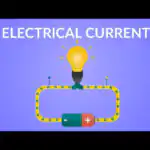
- Current Electricity: Current electricity flows through wires. It is the type used in homes and schools. Examples are:
1. Electricity that lights a bulb
2. Power that runs a fan
3. Energy in a mobile phone
4. Powering a television set.
5. Operating a refrigerator.
6. Charging a laptop computer.
Teaching Methods
To deliver this lesson, the teacher will adopt the following methods: Discussion, Lecture, Demonstration, Explanation, Group work, Visual Aids
Instructional Procedures
To deliver this lesson, the teacher will adopt the following steps:
Step 1: Introduction
Time: 5 mins
Teaching Skill: Set Induction
Teacher’s Activity: Teacher asks pupils if they have ever seen lightning or used a fan at home
Pupils’ Activity: Pupils respond and describe their experience
Step 2: Meaning of Electricity
Time: 5 mins
Teaching Skill: Explanation
Teacher’s Activity: Teacher explains electricity as a form of energy that moves or stays in one place
Pupils’ Activity: Pupils listen and ask questions
Step 3: Types of Electricity
Time: 7 mins
Teaching Skill: Lecture, Visual Aid
Teacher’s Activity: teacher introduces and explains static and current electricity with real-life examples
Pupils’ Activity: Pupils observe and participate in identifying types
Step 4: Static Electricity
Time: 6 mins
Teaching Skill: Demonstration
Teacher’s Activity: Teacher uses a balloon to show how rubbing causes static electricity
Pupils’ Activity: Pupils rub balloons and observe effects
Step 5: Current Electricity
time: 6 mins
Teaching Skill: Demonstration
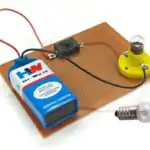
Teacher’s Activity: Teacher connects a bulb to a battery and shows how it lights up
Pupils’ Activity: Pupils touch the materials and watch the current flow
Step 6: Note-Taking
Time: 3 mins
Teaching Skill: Writing skills
Teacher’s Activity: Teacher dictates key points and pupils copy into their notebooks
Pupils’ activity: Pupils write down notes
Step 7: Evaluation/Review
Time: 4 mins
Teaching Skill: Questioning
Teacher’s Activity: Teacher asks pupils to define electricity and name types with examples
Pupils’ Activity: Pupils answer questions and describe examples
Objective-aligned checks:
- Explain electricity as a form of energy and list the two main types of electricity.
- Identify and classify simple devices that use static or current electricity.
- Cooperate in group activities to discuss examples of electricity use.
Step 8: Conclusion
Time: 4 mins
Teaching Skill: Cognitive Closure
Teacher’s Activity: Teacher summarises the lesson and asks pupils what they learned today
Pupils’ Activity: Pupils share what they have learned
Lesson Keywords
- electricity – Energy that powers devices
- Static – Electricity that does not move
- Current – Electricity that flows
- Energy – The power that makes things work
- Wire – A path that electricity uses to move
Lesson Evaluation
To evaluate the learning, the teacher asks pupils to:
- What is electricity?
- Mention the two main types of electricity
- Give one example of static electricity
- What type of electricity flows through wires?
- Name two things that use current electricity
Assignment/Homework
- List five appliances in your home that use electricity.
- Explain the difference between static and current electricity in your own words.
- Give two additional examples of static electricity you have observed.
- Draw a simple circuit showing a battery, wires, and a bulb.
- Research and write a short paragraph on how electricity is generated in Nigeria.
Differentiation
- For slower learners: Pair pupils who struggle with peers in group activities.
- For advanced learners: Encourage advanced learners to research different sources of electricity and their environmental impacts.
- For visual/auditory/kinesthetic learners: Support visual learners with charts and demonstrations. Use audio-visual aids to explain concepts. Allow kinesthetic learners to manipulate materials during demonstrations.
Note for Teachers
Encourage safe discussion about handling electrical devices. Avoid complex terms and focus on practical examples pupils can relate to.

Community Join the conversation Open discussion +