

Class: Primary Five
Term: first Term
Subject: basic Science and Technology
Curriculum theme: Basic Technology
Previous Lesson: Materials and Maintenance, Technology materials
Topic: Types of wood
Content/Learning Area: Identifying and listing various types of wood, Describing the uses of different wood types, Classifying wood into hardwood and softwood categories
Time Allocation: 40 minutes
Performance Objectives
By the end of the lesson, pupils should be able to:
- Cognitive Domain:
1. Identify and list various types of wood.
2. Describe the uses of different wood types.
3.classify wood into hardwood and softwood categories.
- Affective Domain:
1. Show interest in learning about different types of wood.
- Psychomotor Domain:
1. None
- Social Domain:
1. Participate actively in class discussions.
Reference Materials
- 9 – Years Basic education Curriculum
- Abuja Educational Resource Center Scheme of Work
- NAPPS National unified Scheme of Work
- Relevant textbooks
Instructional Materials
To deliver this lesson, the teacher will employ the help of the following materials:
- Whiteboard or chart paper
- Markers or pens
- Pictures or samples of different types of wood (if available)
Rationale for the Lesson
Understanding different types of wood is crucial for appreciating their properties and applications in various aspects of life,from construction to crafting. This lesson lays a foundation for future learning about materials science and technology.
Prerequisite/Previous Knowledge
The teacher will start by asking pupils what they know about wood and it’s uses, encouraging them to share their experiences and prior knowledge. A speedy brainstorming session will help gauge their existing understanding.
Lesson Content
What is Wood?
Wood is a natural material from trees, made of cellulose, hemicellulose, and lignin, giving it strength and flexibility.The type of wood depends on the tree species.
Types of Wood
Wood comes in various forms, each with unique properties and uses.
Examples are:
- Oak: Strong, durable, lovely grain; used for furniture, flooring, construction.
- Pine: Softwood, lightweight, affordable; used for construction, furniture, crafts.
- Maple: Hard,strong,attractive grain; used for furniture,flooring,musical instruments.
- Cherry: Hardwood, rich reddish-brown, gorgeous grain; used for high-quality furniture and cabinetry.
- Mahogany: Hardwood,reddish-brown,beautiful grain; used for furniture,boat building,musical instruments.
- Cedar: Softwood,aromatic,decay-resistant; used for outdoor furniture,decking,siding.
- birch: hardwood, strong, durable, beautiful grain; used for plywood, furniture, flooring.
- Redwood: Softwood, decay and insect resistant; used for outdoor decking, siding, construction.
- Teak: Hardwood, durable, water-resistant; used for outdoor furniture, boat building, and decking.
- Walnut: Hardwood, strong, dark-colored, fine grain; used for furniture, cabinetry, and gun stocks.
Classification of Wood
Hardwood
Hardwoods come from deciduous trees (lose leaves in fall),are denser,harder,and more durable. Examples are: Oak, Maple, Cherry, Mahogany.
Softwood
softwoods come from coniferous trees (needles and cones),are lighter,softer,and less durable. Examples are: Pine, Cedar, birch, redwood.
Teaching Methods
To deliver this lesson, the teacher will adopt the following methods: discussion, Question and answer, Visual aids
Instructional Procedures
To deliver this lesson, the teacher will adopt the following steps:
Step 1: Introduction
Time: 5 minutes
Teaching Skill: Set Induction
Teacher’s Activity: Ask pupils what they know about wood and its uses.
Pupils’ Activity: Share their prior knowledge and experiences with wood.
Step 2: Clarification of Key Concepts
Time: 10 minutes
Teaching Skill: Explaining
Teacher’s Activity: Explain what wood is, its composition, and how different types arise from different tree species.
Pupils’ Activity: Listen attentively and ask clarifying questions.
Step 3: Exhibition/Guided Practice
Time: 10 minutes
Teaching Skill: Demonstrating
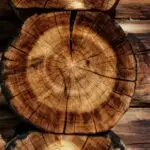
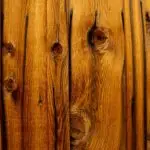
Teacher’s Activity: Show pictures or samples of different wood types,highlighting their characteristics and uses.
Pupils’ Activity: Observe and participate in discussions about the different types of wood.
Step 4: Autonomous Practice
Time: 5 minutes
teaching Skill: Monitoring
Teacher’s Activity: Guide pupils as they classify different wood types into hardwood and softwood categories.
Pupils’ Activity: Work individually or in small groups to classify wood types.
Step 5: Note-Taking
Time: 5 minutes
Teaching Skill: Note-taking
Teacher’s Activity: Guide pupils in taking notes on the key concepts and examples discussed.
Pupils’ Activity: Write down important information in their notebooks.
Step 6: Evaluation/Review
Time: 5 minutes
Teaching Skill: Questioning
Teacher’s Activity: Ask evaluation questions to assess pupils’ understanding.
Pupils’ Activity: Answer the evaluation questions.
Objective-aligned checks:
- Identify and list various types of wood.
- Describe the uses of different wood types.
- classify wood into hardwood and softwood categories.
Step 7: Conclusion
Time: 2 minutes
Teaching Skill: Summarizing
Teacher’s Activity: Summarize the key concepts learned.
Pupils’ Activity: Listen to the summary and ask any remaining questions.
Lesson Keywords
- hardwood – Wood from deciduous trees, generally denser and harder.
- Softwood – wood from coniferous trees, generally lighter and softer.
- Grain – The pattern of fibers in wood.
- Durability – the ability of wood to withstand wear and tear.
- Decay-resistant – Ability to resist rotting or decomposition.
Lesson Evaluation
To evaluate the learning, the teacher asks pupils to:
- What are the main differences between hardwood and softwood?
- Name three types of wood and their uses.
- Classify oak, pine, maple, and cedar as hardwood or softwood.
- Why is it important to know about different wood types?
- Give an example of a product made from oak, pine, maple, and cedar.
Assignment/Homework
- Research and draw pictures of different types of wood and their uses.
- Find examples of furniture or objects made from different types of wood in your home.
- Write a short paragraph about your favorite type of wood and why you like it.
Differentiation
- For slower learners: Provide one-on-one assistance and use simpler language.
- For advanced learners: Encourage them to research and present information on additional wood types.
- For visual/auditory/kinesthetic learners: Use visual aids, discussions, and hands-on activities to cater to different learning styles.
Note for Teachers
Ensure to bring samples or pictures of different wood types to make the lesson more engaging. Encourage pupils to share their personal experiences with wood-based products.


Community Join the conversation Open discussion +