

Class: Primary 5
Term: 3rd Term
Subject: Basic Science And technology
Curriculum Theme: Basic Technology
Previous Lesson: Meaning Of Magnet And Electricity Generation By Friction And Magnet
Topic: Meaning Of Conductor And Conductor Material
Content/learning Area: Meaning of Conductor And Conductor Material
Time allocation: 40 minutes
Performance Objectives
By the end of the lesson, pupils should be able to:
- Cognitive Domain: Define a conductor and identify common conductor materials.
- Affective Domain: Show curiosity and interest in identifying materials that conduct electricity.
- Psychomotor Domain: Sort and classify objects into conductors and non-conductors thru group activities.
- Social Domain: Cooperate with group members during practical exercises.
Reference Materials
The following resources were used in planning this lesson:
- 9 years Basic Education Curriculum
- Abuja Educational Resource Center Scheme of work
- NAPPS National Unified Scheme of Work
- Online information from: Wikipedia – Electrical conductor
- relevant Textbooks
Instructional Materials
To deliver this lesson, the teacher will employ the help of the following materials:
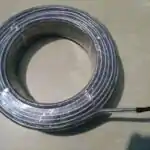
- Copper wires
- Aluminium foil
- Steel spoon
- Wooden ruler
- Plastic spoon
- Battery and bulb
- Wire tester
- Flash cards with conductor and insulator images
Rationale for the Lesson
Understanding conductor materials helps pupils identify safe and appropriate materials for electrical connections and avoid hazards.
Prerequisite/previous Knowledge
Pupils have previously learned about sources of energy and simple electrical devices in the home.
Lesson Content
Meaning Of Conductor And Conductor Material
A conductor is a material that allows electricity to flow through it.
The following are examples of conductors:
- Copper
- Aluminium
- Iron
- Steel
- Silver
- Gold
- Brass
Conductor Material
Conductor materials are substances used to make wires and tools that carry electricity. They are used in making:
- Electric wires
- Cables
- Switches
- Sockets
- Electrical tools
- Electronics components
- Power transmission lines
Applied Understanding: Meaning Of Conductor And Conductor Material
A complete answer should define the central idea, give a clear class-appropriate example, explain its purpose or effect, and state a safe or responsible application. Examples should show the concept in use instead of repeating the definition.
Learners should compare a correct example with a non-example and explain the difference. Where facts, rules or office-holders can change, the teacher should verify the current position from an official or approved source before the lesson.
Teaching Methods
To deliver this lesson, the teacher will adopt the following methods: Discussion, lecture, explanation, group work, practical presentation, visual aids
Instructional Procedures
To deliver this lesson, the teacher will adopt the following steps:
Step 1: Introduction
time: 5 min
Teaching Skill: Set Induction
Teacher’s Activity: Tells a short story about a boy who used a spoon to test electricity and asks pupils which materials can carry current.
Pupils’ Activity: Pupils listen to the story and respond to questions.
Step 2: Definition of Conductor
Time: 5 min
Teaching Skill: Explanation
Teacher’s Activity: Clearly defines conductor and provides examples using real materials.
Pupils’ Activity: Pupils observe materials and listen to explanation.
Step 3: Meaning of Conductor Material
Time: 5 min
Teaching Skill: Description
Teacher’s Activity: Explains what conductor materials are and shows examples like copper wire and aluminium foil.
Pupils’ Activity: Pupils handle and examine the materials shown.
Step 4: Properties of Conductor Materials
Time: 7 min
Teaching Skill: Demonstration
Teacher’s Activity: Demonstrates how conductor materials carry electricity using a bulb and battery.Pupils’ Activity: Pupils take turns using the tester to check materials.
Step 5: Group Sorting Activity
Time: 6 min
Teaching Skill: Group Work
teacher’s Activity: Provides various objects and guides pupils to sort into conductor and non-conductor groups.Pupils’ Activity: Pupils work in groups to sort items and explain choices.
Step 6: Note-Taking
Time: 4 min
Teaching Skill: Writing
Teacher’s Activity: Guides pupils to copy lesson content from the board.
Pupils’ Activity: Pupils write the content neatly in their notebooks.
Step 7: evaluation/Review
Time: 4 min
Teaching Skill: Questioning
Teacher’s Activity: Asks questions to review the lesson and clarifies arduous points.
Pupils’ Activity: Pupils answer questions orally and correct misunderstandings.
Objective-aligned checks:
- Define a conductor and identify common conductor materials.
- Show curiosity and interest in identifying materials that conduct electricity.
- Sort and classify objects into conductors and non-conductors thru group activities.
Step 8: Conclusion
Time: 4 min
Teaching Skill: Instructional/Cognitive/Social
Teacher’s Activity: Summarizes the lesson and appreciates pupils’ efforts. Encourages use of safe materials at home.
Pupils’ Activity: Pupils listen, ask final questions, and participate in recap.
Lesson Keywords
- Conductor – material that allows electricity to pass through
- Material – The substance something is made of
- Electricity – Energy that flows in wires and powers devices
- Current – The movement of electricity through a conductor
- Wire – A long thin metal used to carry electricity
Lesson Evaluation
To evaluate the learning, the teacher asks pupils to:
- Define a conductor
- Mention three examples of conductor materials
- say two uses of conductor materials
- Identify which item among wood, iron, copper, and plastic is a conductor
- Group items into conductors and non-conductors during practical activity
Assignment/Homework
- List five conductor materials found at home.
- Explain why electrical wires are made of copper.
- Draw and label a simple circuit using conductor materials.
Differentiation
- For slower learners: Provide one-on-one assistance and simplified explanations.
- For advanced learners: challenge them to research different types of conductors and their specific uses.
- For visual/auditory/kinesthetic learners: Use visual aids,verbal explanations,and hands-on activities to cater to different learning styles.
Note for Teachers
Use real materials for demonstrations to boost understanding. Encourage questions and hands-on participation to reinforce learning.

Community Join the conversation Open discussion +