

Class: primary Three
Term: Second Term
Subject: Basic Science and Technology
Curriculum Theme: Basic Technology
Previous Lesson: Uses of Energy
Topic: solar Energy
Content/learning Area: Defining Solar energy, Listing the Source of solar Energy, Listing Uses of Solar Energy, Expressing Thankfulness for Solar Energy
Time Allocation: 40 minutes
Performance Objectives
By the end of the lesson, pupils should be able to:
- Cognitive Domain:
1. Define solar energy.
2.Identify the source of solar energy.
3. List three uses of solar energy.
- Affective Domain:
1. Express thankfulness for the importance of solar energy.
- Psychomotor Domain:
1. Draw a diagram showing how solar energy is harnessed.
- Social Domain:
1. Discuss the benefits of using solar energy with peers.
Reference Materials
- 9 – Years Basic education Curriculum
- Abuja Educational Resource Centre scheme of Work
- NAPPS national Unified Scheme of Work
- Online Details
- Relevant Textbooks
Instructional Materials
To deliver this lesson,the teacher will employ the help of the following materials:
- Whiteboard or chart
- Markers or chalk
- Pictures of solar panels and solar-powered devices
Rationale for the Lesson
Understanding solar energy is crucial for appreciating renewable resources and their role in enduring living. This lesson lays the foundation for future learning about energy sources and environmental duty.
Prerequisite/Previous Knowledge
The teacher will start by asking pupils what they know about the sun and its energy. A brief discussion will follow, leading into the introduction of solar energy.
Lesson Content
Solar Energy
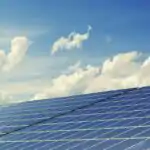
Solar energy is a powerful, renewable energy source from the sun. It’s a type of energy directly from the sun and is renewable as it replenishes naturally. We can harness it using solar panels and other technologies.
What is Solar Energy?
Solar energy comes directly from the sun. The sun provides a vast amount of energy that we can harness.
Source of Solar Energy
The sun is the main source. It constantly emits light and heat energy, which reaches Earth and can be captured.
Uses of Solar Energy
Solar energy has numerous applications in our daily lives. These include:
- Solar panels for electricity: These convert sunlight into electricity for homes, businesses, and communities.
- Solar water heaters: These use sunlight to heat water, reducing the need for other heating methods.
- solar-powered lights: These are used for street lighting,outdoor lighting,homes,and businesses.
- Solar-powered gadgets: Many gadgets, like calculators, watches, and phone chargers, run on solar power.
- Solar cooking: Solar cookers use sunlight to cook food, especially useful in areas with limited access to electricity or fuel.
- Solar-powered irrigation: Solar energy can power water pumps for irrigation in agriculture, improving crop yields.
teaching Methods
To deliver this lesson, the teacher will adopt the following methods: Discussion, Question and answer, Visual Aids
instructional Procedures
To deliver this lesson, the teacher will adopt the following steps:
Step 1: Introduction
Time: 5 minutes
Teaching Skill: Set Induction
Teacher’s Activity: Asks pupils what they know about the sun and its energy.
Pupils’ Activity: Respond to the teacher’s questions.
Step 2: Clarification of Key Concepts
Time: 10 minutes
Teaching Skill: Explaining
Teacher’s Activity: Explains the definition and source of solar energy using visual aids.
Pupils’ Activity: Listen attentively and ask clarifying questions.
Step 3: Demonstration/Guided Practice
time: 10 minutes
Teaching Skill: Demonstrating
Teacher’s Activity: Shows pictures of solar panels and solar-powered devices, explaining their functions.
Pupils’ Activity: Observe and participate in discussions.
Step 4: Autonomous Practice
Time: 5 minutes
Teaching Skill: Monitoring
Teacher’s Activity: Guides pupils in listing uses of solar energy.
Pupils’ Activity: List three uses of solar energy individually.
Step 5: Note-taking
Time: 5 minutes
Teaching Skill: Note-taking
Teacher’s Activity: Guides pupils in summarizing key points.
Pupils’ Activity: Take notes on the key concepts.
Step 6: Evaluation/Review
Time: 5 minutes
Teaching Skill: Questioning
Teacher’s Activity: asks evaluation questions.
Pupils’ Activity: Answer the evaluation questions.
Objective-aligned checks:
- Define solar energy.
- Identify the source of solar energy.
- List three uses of solar energy.
Step 7: Conclusion
Time: 5 minutes
Teaching Skill: Summarizing
Teacher’s Activity: Summarizes the key points about solar energy and its importance.
Pupils’ Activity: Listen attentively and ask any remaining questions.
Lesson Keywords
- Solar Energy – Energy derived from the sun’s radiation.
- Renewable Energy – Energy that is naturally replenished, such as sunlight, wind, or water.
- Solar Panels – Devices that convert sunlight into electricity.
- Harnessing – Capturing and utilizing a natural resource, like solar energy.
- Solar Power – Electricity generated from solar energy.
Lesson Evaluation
To evaluate the learning, the teacher asks pupils to:
- What is solar energy?
- What is the main source of solar energy?
- List three uses of solar energy.
- Why is solar energy important?
- Can you think of any other ways we use solar energy?
Assignment/Homework
- Draw a diagram of a solar panel and label its parts.
- List five benefits of using solar energy over other energy sources.
- Research and write a short paragraph on how solar energy is used in Nigeria.
Differentiation
- For slower learners: Provide one-on-one assistance and simplified explanations.
- For advanced learners: Encourage them to research additional uses of solar energy and present their findings to the class.
- For visual/auditory/kinesthetic learners: Use visual aids,discussions,and hands-on activities to cater to different learning styles.
Note for teachers
Ensure to use real-life examples and visual aids to make the lesson engaging and understandable for the pupils. encourage class participation and provide constructive feedback.


Community Join the conversation Open discussion +