

Class: Primary 5
Term: 3rd Term
Subject: basic Science and Technology
Curriculum Theme: Basic Technology
Previous Lesson: Meaning And Types Of Electricity
Topic: Types Of Electricity: Current And Friction
Content/Learning Area: Types Of Electricity: Current And Friction
Time Allocation: 40 minutes
Performance Objectives
by the end of the lesson, pupils should be able to:
- cognitive Domain: Explain the meaning of current and frictional electricity.
- Affective Domain: Demonstrate interest in learning how electricity is produced.
- Psychomotor Domain: perform simple activities that produce electricity using friction.
- Social Domain: Cooperate in group tasks to explore sources of electricity.
Reference Materials
The following resources were used in planning this lesson:
- 9 Years basic Education Curriculum
- Abuja Educational Resource Center Scheme of work
- NAPPS National Unified Scheme of Work
- Online Information from: Wikipedia – Electric current
- Relevant Textbooks
Instructional Materials
To deliver this lesson,the teacher will employ the help of the following materials:
- Plastic comb
- Wool or hair
- Balloons
- Dry cell battery
- Electrical wires
- Bulb and bulb holder
- Pictures of generators and solar panels
Rationale for the Lesson
Understanding different types of electricity helps pupils know how common devices around them get power and how simple actions can generate electrical energy.
Prerequisite/Previous Knowledge
Pupils have previously learned about energy and its sources and can identify simple energy sources like batteries.
Lesson Content
Types of Electricity: Current and Friction
- Current Electricity: Current electricity is the type of electricity that flows through wires.It is used in our homes and schools to power machines and lights.
The following are examples of current electricity:
- Electricity from wall sockets
- Electricity from batteries
- Power from generators
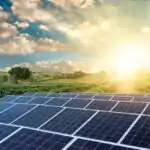
- Power from solar panels
- Electricity used by fans and fridges
- Electricity used by televisions and computers
- Electricity powering electric stoves and kettles
2. Frictional electricity: Frictional electricity is made when two things are rubbed together. It is indeed also called static electricity.
The following are examples of frictional electricity:
- Rubbing a balloon on hair
- Rubbing a plastic comb on dry hair
- Rubbing shoes on a carpet and touching metal
- Removing nylon clothes quickly
- Lightning in the sky during storms
- Sliding down a plastic slide
- Rubbing a glass rod with silk
Teaching Methods
To deliver this lesson, the teacher will adopt the following methods: Discussion, lecture, presentation, explanation, group work, questioning
Instructional Procedures
To deliver this lesson, the teacher will adopt the following steps:
step 1: Introduction
Time: 5 mins
Teaching Skill: Set Induction
Teacher’s Activity: Tells a short story about light going off and asks what powers our devices.
Pupils’ Activity: Pupils listen and answer questions.
Step 2: Current Electricity
Time: 10 mins
Teaching Skill: Explanation
Teacher’s Activity: Shows a battery connected to a bulb and explains how current flows.
Pupils’ Activity: Pupils observe and ask questions.
Step 3: Frictional Electricity
Time: 10 mins
Teaching Skill: Demonstration
Teacher’s Activity: rubs balloon on hair to show static electricity and explains frictional electricity.Pupils’ Activity: Pupils observe and try the activity in groups.
Step 4: Comparison Activities
Time: 5 mins
Teaching Skill: Group Work
Teacher’s Activity: Guides pupils to discuss differences between both types of electricity.
Pupils’ Activity: Pupils discuss and list differences.
Step 5: Note-Taking
Time: 3 mins
Teaching Skill: Writing
teacher’s Activity: Dictates key notes from the lesson.
Pupils’ Activity: Pupils copy into their notebooks.
Step 6: Evaluation/Review
Time: 5 mins
Teaching Skill: Questioning
Teacher’s Activity: Asks questions based on current and frictional electricity.
Pupils’ Activity: Pupils answer orally and practically.
Objective-aligned checks:
- Explain the meaning of current and frictional electricity.
- Demonstrate interest in learning how electricity is produced.
- perform simple activities that produce electricity using friction.
Step 7: Conclusion
Time: 2 mins
Teaching Skill: Instructional Closure
Teacher’s Activity: Summarizes key points and encourages safe use of electricity.
pupils’ Activity: Pupils listen and reflect.
Lesson Keywords
- Electricity – energy that powers machines
- Current – flowing electricity
- friction – rubbing of two things
- Static – non-moving electricity
- Battery – a source of current electricity
Lesson Evaluation
To evaluate the learning, the teacher asks pupils to:
- Explain what current electricity means
- List three sources of current electricity
- Mention three examples of frictional electricity
- Rub a plastic comb on hair and test it on small paper pieces
- Say the differences between current and frictional electricity
Assignment/Homework
- List five appliances at home that use current electricity.
- Describe a time you experienced static electricity.
- Explain how a generator produces electricity.
Differentiation
- For slower learners: Teacher provides extra support with pictures and physical demonstration for pupils with learning difficulties and groups faster learners to assist others.
- For advanced learners: Encourage them to research other types of electricity generation and present their findings.
- For visual/auditory/kinesthetic learners: Use visual aids, verbal explanations, and hands-on activities to cater to different learning styles.
Note for teachers
Ensure safety when performing friction activities. Supervise all practicals closely and ensure no metallic object is used during static electricity activities. Use real-life examples for better understanding.
Community Join the conversation Open discussion +