

Class: Primary One
Term: Third Term
Subject: National Values Education
Curriculum Theme: Social Studies
Previous Lesson: Industrial Uses Of Water
Topic: Management of Water
Content/Learning Area: Identifying the various uses of water, Appreciating the importance of managing water wisely, Discussing the role of community in water management
Time Allocation: 40 minutes
Performance Objectives
By the end of the lesson, pupils should be able to:
- Cognitive Domain:
1. Identify the various uses of water.
2.Explain the importance of water conservation.
3. Describe the role of the community in water management.
- Affective Domain:
1. Appreciate the importance of managing water wisely.
2. Show concern for water conservation.
- Psychomotor Domain:
1. Demonstrate ways to conserve water at home and school.
- Social Domain:
1. Participate in group discussions about water management.
2. Cooperate with others to conserve water.
Reference Materials
- 9 – Years Basic Education curriculum
- Abuja Educational resource Center Scheme of work
- NAPPS National Unified Scheme of Work
- Online Details
- Relevant Textbooks
Instructional Materials
To deliver this lesson, the teacher will use the following materials:
- Whiteboard or chart paper
- Markers or crayons
- Pictures or illustrations related to water usage and conservation
Rationale for the Lesson
This lesson is crucial for instilling responsible water usage habits from a young age. Understanding water’s importance and conservation methods benefits both the surroundings and future generations.
Prerequisite/Previous Knowledge
The teacher will begin by asking pupils what thay know about water and its uses. A brief discussion will follow, leading into the lesson’s topic.
Lesson Content
Management of Water and its Importance
Water is essential for many things. We use it for drinking to stay healthy, in agriculture to grow food, for cleaning ourselves and our homes, and in industries to make goods. Water is a limited resource, so we must use it wisely.
How to Manage Water
Managing water involves using it wisely to ensure its availability for current and future needs.These include:
- Turn off the tap while brushing your teeth.
- Use a bucket and mug for bathing rather of a shower.
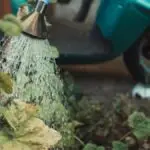
- Collect rainwater for watering plants.
- Fix leaky taps quickly.
- Use water-efficient appliances.
- Water plants in the cooler parts of the day.
- promote water conservation awareness in your community.
- Support policies and initiatives aimed at protecting water resources.
Importance of Water Management
Water management is crucial for sustaining life, supporting agriculture, maintaining hygiene, and driving industrial activities. The following are reasons why water management is important:
- Water for drinking: Essential for life.
- Water in Agriculture: Needed to grow food.
- water for Cleaning: Critically important for hygiene and health.
- Water in Industries: Used in manufacturing.
- water Conservation: ensures enough water for the future.
- Ecosystem Health: Supports aquatic life and biodiversity.
- Economic Stability: Reduces water scarcity and related costs.
- Public Health: Prevents waterborne diseases.
Teaching Methods
to deliver this lesson, the teacher will adopt the following methods: Discussion, Question and answer, Demonstration
Instructional Procedures
to deliver this lesson, the teacher will adopt the following steps:
Step 1: Introduction
Time: 5 minutes
Teaching Skill: Set Induction
Teacher’s Activity: Asks pupils about their knowledge of water and its uses.
Pupils’ Activity: Respond to the teacher’s questions, sharing their prior knowledge.
Step 2: Clarification of Key Concepts
Time: 10 minutes
Teaching Skill: Explaining
Teacher’s Activity: Explains the various uses of water and the importance of water conservation.
Pupils’ Activity: Listen attentively and ask clarifying questions.
Step 3: Demonstration/Guided Practise
Time: 10 minutes
Teaching Skill: Demonstrating
Teacher’s Activity: Demonstrates simple ways to save water (e.g., turning off the tap while brushing teeth).
Pupils’ Activity: Observe the demonstration and participate in guided practice.
Step 4: Self-reliant Practice
Time: 5 minutes
Teaching Skill: Monitoring
Teacher’s activity: Guides pupils in completing individual tasks related to water conservation.
Pupils’ Activity: Complete individual tasks, applying what they have learned.
Step 5: Note-Taking
Time: 5 minutes
Teaching Skill: Note-taking
Teacher’s Activity: Guides pupils in taking notes on key concepts.Pupils’ Activity: Take notes on key concepts and crucial information.
Step 6: Evaluation/Review
Time: 5 minutes
Teaching Skill: Questioning
Teacher’s Activity: Asks review questions to assess understanding.
pupils’ Activity: Answer review questions.
Objective-aligned checks:
- Identify the various uses of water.
- Explain the importance of water conservation.
- Describe the role of the community in water management.
Step 7: Conclusion
Time: 0 minutes
Teaching Skill: Summarizing
Teacher’s Activity: Summarizes the key points about water management and conservation.Pupils’ Activity: Listen attentively.
Lesson Keywords
- Water Management – using water wisely to ensure its availability for current and future needs.
- Water Conservation – Reducing water usage to preserve water resources.
- Agriculture – The cultivation of land and rearing of animals to provide food and othre products.
- Hygiene – Practices that promote cleanliness and health.
- Industries – Economic activities concerned with the processing of raw materials and manufacture of goods.
Lesson Evaluation
To evaluate the learning, the teacher asks pupils to:
- Name two ways you use water at home.
- Why is it critically important to save water?
- Show one way you can save water every day.
- How can our community help in saving water?
- What are some ways we can use water wisely at school?
Assignment/Homework
- List three ways you can conserve water at home.
- Draw a picture showing one way to save water.
- Ask your parents how they save water at home and share it in the next class.
Differentiation
- For slower learners: Provide one-on-one assistance and simplified explanations.
- For advanced learners: Challenge with additional research tasks on water conservation.
- For visual/auditory/kinesthetic learners: Use visual aids, discussions, and hands-on activities to cater to different learning styles.
Note for Teachers
Encourage pupils to share their personal experiences with water usage and conservation. Emphasize the importance of water management for a lasting future.

Community Join the conversation Open discussion +