

Class: Primary One
Term: third Term
Subject: National Values Education
Curriculum Theme: Social Studies
Previous Lesson: Sources of Water
Topic: Uses of Water
Content/Learning Area: Drinking, cleaning, Cooking, Agriculture, recreation, Industrial Use, Firefighting
time Allocation: 40 minutes
Performance Objectives
By the end of the lesson, pupils should be able to:
- Cognitive Domain:
1. List at least three uses of water.
2. Explain the importance of water in daily life.
- Affective Domain:
1. Appreciate the importance of water.
2. Show concern for water conservation.
- Psychomotor Domain:
1. Actively participate in class discussions about water conservation.
- Social Domain:
1. Engage in respectful discussions with peers about water.
Reference Materials
- 9 – Years basic Education Curriculum
- Abuja Educational Resource Center Scheme of Work
- NAPPS National Unified Scheme of Work
- Relevant Textbooks
Instructional Materials
To deliver this lesson, the teacher will use the following materials:
- Whiteboard or chart paper
- Markers or crayons
- Pictures or illustrations of water uses
Rationale for the Lesson
Understanding the uses of water is crucial for appreciating its value and promoting responsible water conservation habits, essential for personal health and environmental sustainability.
Prerequisite/Previous Knowledge
The teacher will start by asking pupils what they know about water, prompting a brief discussion to gauge their prior knowledge and engage them in the topic. A picture of water uses will be shown.
Lesson content
Uses of Water
Water is very significant, and we use it in many ways. Here are some examples:
Drinking
- We drink water to stay healthy and hydrated.
Cleaning
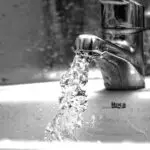
- We use water to clean our bodies, clothes, dishes, and homes.
Cooking
- Water is used to prepare many foods, like boiling, steaming, and baking.
Agriculture
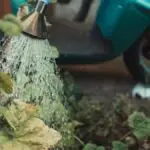
- Farmers use water to help grow fruits, vegetables, and crops.
Recreation
- We use water for fun activities like swimming,boating,and fishing. Swimming is a popular water activity.
Industrial Use
- Factories and power plants also use lots of water.
Firefighting
- Water is very crucial for putting out fires.
Teaching Methods
To deliver this lesson, the teacher will adopt the following methods: Discussion,Question and answer,Visual aids
Instructional Procedures
To deliver this lesson,the teacher will adopt the following steps:
Step 1: Introduction
Time: 5 minutes
Teaching Skill: Questioning
Teacher’s Activity: Asks pupils what they know about water and its importance.
Pupils’ activity: Respond to the teacher’s questions, sharing their prior knowledge.
Step 2: Description of Key Concepts
Time: 10 minutes
Teaching Skill: explaining
Teacher’s Activity: Explains the various uses of water using visual aids.
Pupils’ Activity: Listen attentively and ask clarifying questions.
Step 3: Presentation/guided Practice
Time: 10 minutes
Teaching Skill: Demonstrating
Teacher’s Activity: Shows pictures or videos illustrating different uses of water.
Pupils’ Activity: Observe and participate in discussions about the images.
Step 4: Autonomous Practice
Time: 5 minutes
Teaching Skill: monitoring
Teacher’s Activity: guides pupils in completing a short worksheet on water uses.
Pupils’ Activity: complete the worksheet individually.
Step 5: Note-Taking
Time: 5 minutes
Teaching Skill: Note-taking
Teacher’s Activity: Summarizes key points on the board.
Pupils’ Activity: Copy the summary into their notebooks.
Step 6: Evaluation/Review
Time: 5 minutes
Teaching Skill: Questioning
Teacher’s Activity: Asks review questions to assess understanding.
Pupils’ Activity: Answer the review questions.
Objective-aligned checks:
- List at least three uses of water.
- Explain the importance of water in daily life.
- Show concern for water conservation.
Step 7: Conclusion
Time: 5 minutes
Teaching Skill: Summarizing
Teacher’s Activity: Summarizes the key uses of water and emphasizes the importance of water conservation.
Pupils’ activity: Listen attentively and reflect on the lesson.
Lesson Keywords
- Hydration – The process of providing the body with an adequate supply of water.
- Agriculture – The science or practice of farming, including cultivation of the soil for the growing of crops and the rearing of animals to provide food, wool, and other products.
- Recreation – Activities done for enjoyment when one is not working.
- Conservation – The act of preserving, protecting, or restoring something, especially the natural habitat.
- Industrial – Relating to industry or manufacturing.
Lesson Evaluation
To evaluate the learning, the teacher asks pupils to:
- Name three uses of water.
- Why is saving water critically important?
- How can you save water at home?
- What are some other ways we use water?
- How can we make sure everyone has enough water?
Assignment/Homework
- Draw pictures of three different ways you use water at home.
- Ask your parents how they save water and write down their answers.
- Explain why it is important to conserve water in your own words.
Differentiation
- For slower learners: Provide one-on-one assistance and simplified explanations.
- For advanced learners: Encourage them to research additional uses of water and present their findings to the class.
- For visual/auditory/kinesthetic learners: use visual aids, discussions, and hands-on activities to cater to different learning styles.
Note for Teachers
Ensure to use real-life examples and relatable scenarios to help pupils understand the importance of water in their daily lives. Encourage interactive discussions and hands-on activities to keep them engaged and reinforce learning.


Community Join the conversation Open discussion +