

Note for teachers using this lesson plan
Before the lesson, ensure you have a cup of clean water and a cup of dirty water ready for demonstration. The central idea for pupils is to understand that clean water is safe and useful for many things, and it looks, smells, and tastes a certain way. Pupils will successfully learn if they can identify clean water and name at least two things they use water for at home.
Class: Pre-School Level 3
Term: Second Term
Week: 2
Age: 4 years
Duration: 30 minutes
Subject: Basic Science and Technology
Curriculum Theme: Basic Science and Technology
Previous Lesson: Not separately stated in the scheme.
Topic: Uses and Properties of Clean Water
Subject Matter: Uses and properties of clean water.
Specific Objectives
By the end of the lesson, pupils should be able to:
Cognitive Domain
- Mention at least two uses of water.
- Describe clean water as colourless, odourless, and tasteless.
- Identify a cup of clean water from a selection.
Affective Domain
- Show appreciation for the importance of clean water for health.
- Express willingness to use clean water for daily activities.
Psychomotor Domain
- Point to the cup containing clean water.
- Participate in actions for the “Clean Water Song.”
Social Domain
- Participate in group discussions about water uses.
- Share ideas about how they use water at home.
Reference Materials
- NAPPS National Unified Teaching Scheme for Pre-School Level 3.
- Relevant Early Childhood Care and Education resources.
- Suitable early-years Basic Science and Technology workbook.
Instructional Materials
- Charts showing different uses of water (e.g., drinking, bathing, washing).
- A transparent cup of clean drinking water.
- A transparent cup of dirty water (e.g., water mixed with a little soil or leaves).
Rationale for the Lesson
This lesson is important for 4-year-olds because it teaches them about a fundamental natural resource – water – which is essential for life and health. Understanding the uses and properties of clean water helps children develop good hygiene habits and make safe choices in their daily lives, connecting directly to their home and school experiences.Prerequisite/Previous Knowledge
Pupils can identify water and are familiar with some basic daily activities that involve water, such as drinking and bathing.Lesson Content/Board Summary
Uses and Properties of Clean Water
What is Water?
Water is a liquid that we use every day.Uses of Water
We use water for many important things:- Drinking: To quench our thirst and stay healthy.
- Bathing: To wash our bodies and stay clean.
- Washing clothes: To make our clothes clean.
- Washing dishes: To clean plates and cups.
- Cooking: To prepare our food.
- Watering plants: To help plants grow.
Properties of Clean Water
Clean water has special features:- Colourless: It has no colour, it is clear.
- Odourless: It has no smell.
- Tasteless: It has no taste.
Key Words
- Water – a liquid we use every day.
- Clean – not dirty, pure.
- Dirty – not clean, impure.
- Uses – what we do with something.
- Colourless – having no colour.
- Odourless – having no smell.
- Tasteless – having no taste.
Clean Water Song
Tune: Twinkle, Twinkle Little Star
Lyrics:
Clean, clean water bright,
Helps us grow with all its might.
Drink and bathe and wash with care,
Clean water everywhere.
No colour, no smell, no taste,
Clean water, let’s not waste!
Actions:
- “Clean, clean water bright”: Make a sparkling motion with hands.
- “Helps us grow with all its might”: Stretch arms up high.
- “Drink and bathe and wash with care”: Mimic drinking, scrubbing, and washing.
- “Clean water everywhere”: Point all around.
- “No colour, no smell, no taste”: Shake head for “no,” point to eyes, nose, and mouth.
- “Clean water, let’s not waste”: Bring hands together.
Watch and Learn About Water Uses
💡 Teacher Guide for Using This Board Summary
How to teach the content: Begin by asking pupils what they know about water. Use the charts to introduce and discuss the various uses of water, asking pupils to share what they use water for at home. For properties, show the cup of clean water and the cup of dirty water. Ask pupils to observe the differences. Explain “colourless,” “odourless,” and “tasteless” using simple language and by pointing to the clean water. Emphasize why clean water is important for health.
What to show or demonstrate: Show the charts for uses. Visually demonstrate the clean and dirty water. Ask pupils to look closely at both. You can gently waft the air above the cups towards them (without letting them smell directly) to discuss “odourless” for clean water versus a possible smell for dirty water. Do NOT allow pupils to taste the water.
How to use the rhyme/song: Introduce the “Clean Water Song” after discussing uses and properties. Sing it slowly first, demonstrating the actions. Repeat the song 2-3 times, encouraging pupils to join in with the lyrics and actions. This helps reinforce the concepts in a fun way.
How to use the video: Introduce the video as a fun way to see more uses of water. Play the short video once. After watching, ask pupils to name one or two uses they saw in the video or to point to a picture on the chart that matches something from the video. This helps connect the visual learning to their understanding.
What to watch for: Observe if pupils can distinguish between clean and dirty water, and if they can name at least two common uses of water. Watch for participation in the discussion and song. Correct any misconceptions about using dirty water.
Teaching Methods/Instructional Techniques
- Play-based Learning
- Demonstration
- Guided Practice
- Songs and Rhymes
- Picture Talk
- Question and Answer
- Manipulation of Objects
- Repetition
Instructional Procedures
Step 1: Introduction
Time: 3 minutes
Teaching Skill: Engagement/Recall
Teacher’s Activity: The teacher greets pupils and starts with a general song about daily activities. The teacher then asks pupils, “What is water? What do you do with water at home?”
Pupils’ Activity: Pupils respond to greetings, sing along, and share simple ideas about water (e.g., “I drink water,” “Mummy cooks with water”).
Learning Point: Pupils recall prior knowledge about water and engage with the topic.
Step 2: Presentation of Uses of Water
Time: 5 minutes
Teaching Skill: Explanation/Visual Aid
Teacher’s Activity: The teacher shows charts displaying various uses of water. The teacher discusses each use, asking pupils to identify the activities shown (e.g., “What is this child doing?”).
Pupils’ Activity: Pupils observe the charts, identify activities, and mention other uses of water they know.
Learning Point: Pupils learn about different ways water is used in daily life.
Step 3: Practical Activity – Miming Uses
Time: 4 minutes
Teaching Skill: Guided Practice/Kinesthetic Learning
Teacher’s Activity: The teacher asks pupils to mime or act out some uses of water, such as drinking, bathing, or washing hands. The teacher guides them with actions.
Pupils’ Activity: Pupils enthusiastically mime different uses of water.
Learning Point: Pupils physically demonstrate their understanding of water uses.
Step 4: Presentation of Properties of Clean Water
Time: 5 minutes
Teaching Skill: Demonstration/Observation
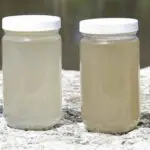
Teacher’s Activity: The teacher presents a cup of clean water and a cup of dirty water. The teacher asks pupils to observe the differences. The teacher explains that clean water is colourless (no colour), odourless (no smell), and tasteless (no taste).
Pupils’ Activity: Pupils observe both cups of water, noticing differences in appearance. They listen to the teacher’s explanation of clean water’s properties.
Learning Point: Pupils understand the visual and sensory properties of clean water.
Step 5: Practical Activity – Identifying Clean Water
Time: 4 minutes
Teaching Skill: Identification/Application
Teacher’s Activity: The teacher asks pupils to point to the cup that contains clean water. The teacher reinforces the properties of the clean water they identified.
Pupils’ Activity: Pupils point to the cup of clean water and verbally confirm its properties (e.g., “It has no colour!”).
Learning Point: Pupils apply their knowledge to identify clean water correctly.
Step 6: Reinforcement – Song and Video
Time: 4 minutes
Teaching Skill: Reinforcement/Multimedia
Teacher’s Activity: The teacher leads pupils in singing the “Clean Water Song” with actions. The teacher then plays the short educational video about the uses of water.
Pupils’ Activity: Pupils sing the song with actions and watch the video attentively.
Learning Point: Pupils reinforce their learning through song and visual media, making the lesson memorable.
Step 7: Evaluation/Review
Time: 4–5 minutes
Teaching Skill: Questioning/Assessment
Teacher’s Activity: The teacher checks pupils’ understanding through short questions and practical tasks.
- “Name one thing you use water for at home.”
- “What colour is clean water?” (Expected: “No colour” or “clear”)
- “Does clean water have a smell?” (Expected: “No smell”)
- “Point to the clean water.” (Teacher presents both cups again)
Pupils’ Activity: Pupils respond orally and demonstrate the required skill where appropriate.
Learning Point: Pupils demonstrate understanding of the lesson.
Step 8: Conclusion
Time: 1 minute
Teaching Skill: Summary/Closure
Teacher’s Activity: The teacher summarizes the lesson, reminding pupils that clean water is very important for staying healthy and for many daily activities. The teacher encourages them to always use clean water. “Always drink and use clean water to stay healthy!”
Pupils’ Activity: Pupils listen and repeat the importance of using clean water.
Learning Point: Pupils grasp the main message of the lesson and its importance for their well-being.
Lesson Keywords
- Water – The liquid we drink and use for many things.
- Clean – Not dirty; safe to use.
- Uses – The different ways we can use water.
- Colourless – Having no colour.
- Odourless – Having no smell.
Differentiation
- Support: For pupils who struggle, provide larger picture cards of water uses. Repeat explanations about properties slowly and clearly. Guide their hands to point to the clean water. Encourage peer support for naming uses.
- Extension: Challenge advanced pupils to name an additional use of water not discussed, or to describe what dirty water might look, smell, or feel like compared to clean water. Ask them to suggest why we should not drink dirty water.
Community Join the conversation Open discussion +