

Note for teachers using this lesson plan
Before the lesson, prepare clear pictures of various flying and crawling insects, including those that spread germs like flies and mosquitoes. Have soap and water ready for a handwashing demonstration. The central idea is for pupils to identify insect types and understand that some insects carry germs, leading to the importance of cleanliness to stay healthy.
Class: Pre-School Level 3
Term: Second Term
Week: 8
Age: 4 years
Duration: 30 minutes
Subject: Basic Science and Technology
Curriculum Theme: Basic Science and Technology
Previous Lesson: Insects
Topic: Insects Contd.
Subject Matter: Flying and crawling insects and how insects spread germs.
Specific Objectives
By the end of the lesson, pupils should be able to:
Cognitive Domain
- Identify at least two flying insects.
- Identify at least two crawling insects.
- State one way some insects spread germs.
Affective Domain
- Listen attentively during discussions about insects.
- Show caution towards insects that might spread germs.
Psychomotor Domain
- Point to pictures of flying and crawling insects correctly.
- Demonstrate simple handwashing steps.
Social Domain
- Participate in discussions by naming insects.
- Share ideas about keeping clean.
Reference Materials
- NAPPS National Unified Teaching Scheme for Pre-School Level 3
- Relevant Early Childhood Care and Education resources
Instructional Materials
- Picture cards of flying insects (e.g., housefly, mosquito, butterfly, bee)
- Picture cards of crawling insects (e.g., ant, cockroach, spider, caterpillar)
- Real (safe) insects in a jar for observation (optional, e.g., ant)
- Chart showing a dirty environment and a clean environment
- Soap and water for handwashing demonstration
Rationale for the Lesson
This lesson helps 4-year-olds observe and classify insects in their environment, which builds early scientific observation skills. Understanding that some insects can spread germs teaches them important health habits like cleanliness, helping them stay healthy and safe in their daily lives.
Prerequisite/Previous Knowledge
Pupils have seen various insects around their homes and school. They also have basic knowledge of keeping themselves clean.
Lesson Content/Board Summary
Flying and Crawling Insects and How Insects Spread Germs
What are Insects?
Insects are small creatures with six legs and usually have bodies divided into three parts. Some insects have wings and can fly, while others crawl on the ground.
Flying Insects
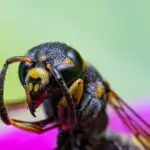
These insects have wings and can fly in the air.
- Examples:
- Housefly (Ruwa)
- Mosquito (Efon)
- Butterfly (Labalaba)
- Bee (Oyin)
Crawling Insects
These insects do not have wings or mostly move by crawling on the ground.
- Examples:
- Ant (Eerun)
- Cockroach (Ayan)
- Spider (Alantakun)
- Caterpillar (Aran)
How Insects Spread Germs
Some insects can carry tiny, invisible germs from dirty places to our food or our bodies. These germs can make us sick.
- Examples of insects that spread germs:
- Housefly: Lands on dirt, then lands on our food, leaving germs.
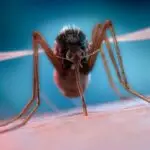
- Mosquito: Bites people and can pass germs that cause sickness like malaria.
- Cockroach: Crawls in dirty places and on food, carrying germs.
How to Prevent Germs from Insects
- Always cover your food.
- Keep your home and surroundings clean.
- Wash your hands with soap and water, especially before eating and after playing.
- Do not play with insects you don’t know.
Clean Hands Song
Tune: “Twinkle, Twinkle Little Star”
Wash, wash, wash your hands,
Wash them clean and bright.
Rub the soap and rinse them well,
Germs go out of sight!
Wash, wash, wash your hands,
Keep them clean and bright!
Actions: Mimic washing hands, rubbing soap, rinsing under water.
Watch and Learn About Germs
Key Words
- Flying – moving through the air with wings.
- Crawling – moving slowly on the ground on hands and knees or on the belly.
- Germs – tiny things that can make us sick, too small to see.
- Mosquito – a small flying insect that bites and can spread sickness.
- Fly – a common flying insect often seen around food and dirt.
- Ant – a tiny crawling insect that lives in colonies.
- Cockroach – a crawling insect that likes dark, dirty places.
💡 Teacher Guide for Using This Board Summary
How to teach the content: Begin by asking pupils about insects they have seen. Use the picture cards to introduce flying and crawling insects, showing examples for each category. Discuss how some insects are helpful (like butterflies for flowers) but focus on those that spread germs. Explain germs simply as “tiny, invisible things that make us sick.”
What to show or demonstrate: Display the picture cards clearly, pointing to the wings of flying insects and the legs of crawling insects. Show the chart of dirty vs. clean environments. Demonstrate the correct steps for washing hands with soap and water, emphasizing rubbing palms, backs of hands, and between fingers.
How to use the rhyme/song: Introduce the “Clean Hands Song” after discussing how to prevent germs. Sing it together several times, encouraging pupils to do the actions. Use it as a transition or a quick break to reinforce the importance of handwashing.
How to use the video: Introduce the video as “a fun way to learn about germs.” Play the video “Germs for Kids | A Fun & Educational Video About Germs.” After watching, ask pupils what they learned about germs and what they can do to avoid them. Encourage them to share simple ideas like “wash hands” or “cover food.”
What to watch for: Observe if pupils can correctly differentiate between flying and crawling insects when shown pictures. Check if they understand the basic idea that some insects are “bad” because they spread germs and that washing hands is important.
Teaching Methods/Instructional Techniques
- Play-based Learning
- Demonstration
- Picture Talk
- Question and Answer
- Guided Practice
- Songs and Rhymes
- Practical Activity
Instructional Procedures
Step 1: Introduction
Time: 3 minutes
Teaching Skill: Engagement/Recall
Teacher’s Activity: The teacher greets the pupils and leads them in a short song about animals or nature. The teacher then asks pupils to name any small creatures they have seen around the school or home.
Pupils’ Activity: Pupils greet the teacher, sing along, and name insects like “ant,” “fly,” or “butterfly.”
Learning Point: Pupils recall prior knowledge of insects and get ready for the lesson.
Step 2: Identifying Flying Insects
Time: 5 minutes
Teaching Skill: Identification/Classification
Teacher’s Activity: The teacher shows pictures of flying insects (e.g., housefly, mosquito, butterfly, bee) and explains that these insects have wings and can fly. The teacher names each insect and asks pupils to repeat the names.
Pupils’ Activity: Pupils observe the pictures, listen to the names, and repeat them after the teacher. They may flap their hands like wings.
Learning Point: Pupils identify and name common flying insects.
Step 3: Identifying Crawling Insects
Time: 5 minutes
Teaching Skill: Identification/Classification
Teacher’s Activity: The teacher then shows pictures of crawling insects (e.g., ant, cockroach, spider, caterpillar) and explains that these insects crawl on the ground. The teacher names each insect and asks pupils to repeat.
Pupils’ Activity: Pupils observe the pictures, listen to the names, and repeat them. They may mimic crawling movements.
Learning Point: Pupils identify and name common crawling insects.
Step 4: Sorting Activity
Time: 4 minutes
Teaching Skill: Practical Application/Reinforcement
Teacher’s Activity: The teacher mixes the picture cards of flying and crawling insects and asks pupils to come forward one by one to pick a card and say if it’s a “flying insect” or a “crawling insect.”
Pupils’ Activity: Pupils take turns picking cards, identifying the insect, and saying if it flies or crawls.
Learning Point: Pupils practice classifying insects based on their movement.
Step 5: Insects and Germs Discussion
Time: 4 minutes
Teaching Skill: Explanation/Awareness
Teacher’s Activity: The teacher explains that some insects, like houseflies and mosquitoes, can carry tiny germs from dirty places and spread them. The teacher shows pictures of dirty places and then food, explaining how germs can move.
Pupils’ Activity: Pupils listen attentively and observe the pictures, understanding that some insects can make them sick.
Learning Point: Pupils understand that some insects spread germs.
Step 6: Prevention and Hygiene
Time: 5 minutes
Teaching Skill: Demonstration/Practical Skill
Teacher’s Activity: The teacher discusses simple ways to prevent germs from insects (e.g., covering food, keeping clean). The teacher then demonstrates proper handwashing with soap and water, leading pupils in the “Clean Hands Song.”
Pupils’ Activity: Pupils listen, suggest ways to stay clean, and mimic handwashing actions while singing the song.
Learning Point: Pupils learn practical ways to prevent germ spread and practice handwashing steps.
Step 7: Evaluation/Review
Time: 4 minutes
Teaching Skill: Questioning/Assessment
Teacher’s Activity: The teacher checks pupils’ understanding through short questions and practical tasks.
- “Point to a flying insect.” (Teacher shows mixed pictures)
- “Point to a crawling insect.” (Teacher shows mixed pictures)
- “Which insect can spread germs?” (Teacher points to a fly or mosquito picture)
- “What should you do to keep germs away from your hands?”
Pupils’ Activity: Pupils respond orally and demonstrate the required skill where appropriate.
Learning Point: Pupils demonstrate understanding of the lesson.
Step 8: Conclusion
Time: 1 minute
Teaching Skill: Summarization
Teacher’s Activity: The teacher briefly recaps the lesson, reminding pupils that while insects are part of nature, they must be careful of some that spread germs and always keep themselves and their environment clean.
Pupils’ Activity: Pupils listen and say “Yes, teacher!” showing understanding.
Learning Point: Pupils reinforce the importance of hygiene and safety around insects.
Lesson Keywords
- Flying – moving through the air with wings.
- Crawling – moving slowly on the ground.
- Germs – tiny things that can make us sick.
- Mosquito – an insect that bites and spreads sickness.
- Clean – free from dirt and germs.
Differentiation
- Support: For pupils who struggle, use larger, more distinct pictures. Provide fewer choices when sorting insects. Give hand-over-hand guidance during the handwashing demonstration. Repeat names and actions slowly.
- Extension: Encourage advanced pupils to name more insects they know. Ask them to explain in simple words why it is important to wash hands after playing outside or before eating.
Community Join the conversation Open discussion +