

Note for teachers using this lesson plan
Before this lesson, gather real examples of simple machines found at home, such as a spoon, a small broom, a pair of child-safe blunt scissors (for demonstration by an adult), and pictures of a bottle opener, knife, or wheelbarrow. The central idea is for pupils to identify these common tools as “simple machines” that make work easier, and most importantly, to understand and demonstrate safe handling practices. Observe pupils as they point to and name machines, state their uses, and show how to use them carefully.
Class: Pre-School Level 3
Term: First Term
Week: 7
Age: 4 years
Duration: 30 minutes
Subject: Basic Science and Technology
Curriculum Theme: Basic Science and Technology
Previous Lesson: Introduction to Common Tools
Topic: SIMPLE MACHINES: USES AT HOME
Subject Matter: Uses of simple machines at home and safe use of machines.
Specific Objectives
By the end of the lesson, pupils should be able to:
Cognitive Domain
- Identify simple machines found at home.
- Name at least three simple machines and state their uses.
- State one reason why it is dangerous to play with machines.
Affective Domain
- Appreciate the importance of simple machines in making work easier.
- Show willingness to follow safety rules when around machines.
Psychomotor Domain
- Demonstrate how to use a simple machine (e.g., spoon, broom) carefully.
- Point to pictures showing safe and unsafe use of machines.
Social Domain
- Participate in discussions about safe practices at home.
- Share ideas on how to be careful with tools.
Reference Materials
- NAPPS National Unified Teaching Scheme for Pre-School Level 3
- Relevant Early Childhood Care and Education resources
Instructional Materials
- Real samples of simple machines: spoon, small broom, child-safe blunt scissors (for teacher demonstration only).
- Pictures of other simple machines: knife, bottle opener, wheelbarrow, ramp/slide.
- Chart showing safe and unsafe use of machines.
- Video player/screen for showing an educational video.
Rationale for the Lesson
This lesson helps 4-year-olds recognise common household items as “simple machines” that make daily tasks easier. Understanding their uses and, crucially, learning about safe handling practices is vital for preventing accidents and fostering responsible behaviour around tools from an early age.Prerequisite/Previous Knowledge
Pupils can identify some common objects found at home and know that adults use different tools for various tasks.Lesson Content/Board Summary
Uses of Simple Machines at Home and Safe Use
What are Simple Machines?
Simple machines are tools that help us do work easily and quickly. They make our lives simpler!
Examples of Simple Machines at Home and Their Uses:
- Spoon: Helps us eat our food easily.
- Broom: Helps us sweep the floor and keep our home clean.
- Knife: Helps adults cut food like yam, bread, or fruits. (Teacher to emphasize adult use only).
- Scissors: Helps adults cut paper or cloth. (Teacher to emphasize adult use only).
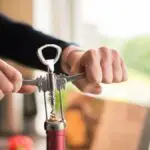
- Bottle opener: Helps open bottles easily.
- Wheelbarrow: Helps move heavy things like sand or stones.
- Ramp/Slope: Helps roll things up or down easily, like a toy car on a slide.
Safe Use of Machines at Home:
- Always ask an adult to help you with sharp or dangerous machines like knives and scissors.
- Do not play with sharp tools. They can hurt you!
- Keep your fingers away from moving parts of any machine.
- Always put machines back in their proper place after use.
- Machines are for work, not for play.
Key Words
- Simple machines – Tools that help us do work easily.
- Home – The place where we live.
- Safe – Not in danger, protected from harm.
- Dangerous – Can cause harm or injury.
Safe Tools Rhyme
Tune: Twinkle, Twinkle Little Star
Lyrics:
Tools, tools, all around,
Helping hands, all over town.
Spoon for eating, broom to sweep,
Secrets of the work they keep.
Be careful, careful, every day,
Safe with tools, we learn and play!
Actions: Point to different parts of the room, pretend to eat, pretend to sweep, make a “careful” gesture with hands, clap.
Watch and Learn About Simple Machines at Home
💡 Teacher Guide for Using This Board Summary
How to teach the content: Begin by asking pupils what “tools” they know. Introduce “simple machines” as tools that make work easier. Show real objects (spoon, broom, blunt scissors) and pictures (knife, bottle opener, wheelbarrow, ramp) one by one. Discuss their uses, asking pupils to mimic the actions. Emphasize that some tools are for adults only. Clearly explain and demonstrate the safety rules, using the chart to show safe vs. unsafe scenarios.
What to show or demonstrate: Display the real objects and pictures. Demonstrate the safe way to hold a spoon or sweep with a broom. For scissors and knives, demonstrate how an adult uses them carefully and why children should not touch them. Use the safety chart to point out dangers.
How to use the rhyme/song: Sing the “Safe Tools Rhyme” together, performing the actions. Repeat it a few times to help pupils memorise the words and the safety message. Encourage pupils to sing along and do the actions.
How to use the video: Introduce the video as a fun way to see more simple machines at home and learn about staying safe. Play the video. After watching, discuss the machines shown and reiterate the safety tips mentioned, asking pupils to recall what they saw.
What to watch for: Observe if pupils can correctly identify the machines and state their uses. Pay close attention to their understanding of safety rules, especially for sharp objects. Correct any misconceptions about playing with dangerous tools immediately.
Teaching Methods/Instructional Techniques
Play-based Learning, Demonstration, Guided Practice, Songs and Rhymes, Picture Talk, Question and Answer, Manipulation of Objects, Repetition, Practical Activity.Instructional Procedures
Step 1: Introduction
Time: 3 minutes
Teaching Skill: Engaging/Recalling
Teacher’s Activity: Greet pupils. Ask them what tools their mummy or daddy use at home to do work (e.g., broom, spoon). Praise their answers.
Pupils’ Activity: Greet the teacher. Mention tools they see at home.
Learning Point: Pupils recall common tools and engage with the topic.
Step 2: Introducing Simple Machines and Their Uses
Time: 5 minutes
Teaching Skill: Explaining/Demonstrating
Teacher’s Activity: Explain that these tools are called “simple machines” because they make our work easier. Show a real spoon and ask, “What is this? How does it help us?” Do the same for a broom.
Pupils’ Activity: Identify the spoon and broom. State their uses (e.g., “to eat,” “to sweep”).
Learning Point: Pupils understand that simple machines help with work and identify common examples.
Step 3: Exploring More Simple Machines at Home
Time: 5 minutes
Teaching Skill: Visual Learning/Discussion
Teacher’s Activity: Show pictures of a knife, scissors (demonstrate with blunt ones), bottle opener, and wheelbarrow. Discuss who uses them and for what purpose, emphasizing that knives and scissors are for adults only due to danger.
Pupils’ Activity: Look at the pictures. Name the machines. Discuss their uses and who uses them.
Learning Point: Pupils identify more simple machines and their specific uses, distinguishing between child-safe and adult-only tools.
Step 4: Learning About Safe Use of Machines
Time: 4 minutes
Teaching Skill: Cautioning/Guiding
Teacher’s Activity: Introduce the concept of “safe use.” Explain why it is dangerous to play with sharp objects like knives and scissors. Show the safety chart, pointing out safe and unsafe actions. Ask, “What should you do if you see a knife?” (Tell an adult).
Pupils’ Activity: Listen attentively. Identify dangerous tools. State that they should tell an adult if they see dangerous tools.
Learning Point: Pupils understand the importance of safety and identify dangerous machines.
Step 5: Reinforcing Safety with a Rhyme
Time: 3 minutes
Teaching Skill: Singing/Repetition
Teacher’s Activity: Lead pupils in singing the “Safe Tools Rhyme” with actions. Repeat the rhyme twice, encouraging full participation.
Pupils’ Activity: Sing the rhyme along with the teacher, performing the actions.
Learning Point: Pupils reinforce safety messages through song and actions.
Step 6: Video and Practical Application
Time: 6 minutes
Teaching Skill: Visual Reinforcement/Guided Practice
Teacher’s Activity: Play the educational video on simple machines at home and their safe use. After the video, ask pupils to demonstrate how they would carefully use a spoon to eat or a broom to sweep. Guide them to show careful movements.
Pupils’ Activity: Watch the video. Demonstrate careful use of a spoon or broom.
Learning Point: Pupils visually reinforce learning and practice safe handling of simple machines.
Step 7: Evaluation/Review
Time: 4–5 minutes
Teaching Skill: Questioning/Assessment
Teacher’s Activity: The teacher checks pupils’ understanding through short questions and practical tasks.
- Name one simple machine you use at home.
- What do we use a broom for?
- Show me how you would carefully use a spoon.
- Why is it dangerous to play with a knife or scissors?
Pupils’ Activity: Pupils respond orally and demonstrate the required skill where appropriate.
Learning Point: Pupils demonstrate understanding of the lesson.
Step 8: Conclusion
Time: 2 minutes
Teaching Skill: Summarising/Encouraging
Teacher’s Activity: Briefly recap that simple machines help us and must be used carefully. Praise pupils for their participation and good listening. Remind them to always ask an adult for help with dangerous tools.
Pupils’ Activity: Listen to the recap. Say “Thank you, teacher.”
Learning Point: Pupils consolidate their learning and are encouraged to practice safety at home.
Lesson Keywords
- Spoon – A tool used for eating.
- Broom – A tool used for sweeping.
- Knife – A sharp tool used by adults for cutting.
- Scissors – A sharp tool used by adults for cutting.
- Safe – Protected from harm.
- Dangerous – Can cause injury.
Differentiation
- Support: Provide larger pictures of simple machines for easier identification. Offer hand-over-hand guidance for demonstrating careful use of a spoon or broom. Give extra verbal cues and repeat safety rules slowly.
- Extension: Ask pupils to identify another simple machine they might see outside the home (e.g., a wheel on a car, a slide at the playground). Encourage them to draw a picture of a simple machine they use safely at home.
Community Join the conversation Open discussion +