

Note for teachers using this lesson plan
Before this lesson, prepare clear, large pictures or charts of various dangerous objects (e.g., broken glass, sharp knives, razors, pins, matches, medicines, cleaning chemicals). The central idea for pupils is to understand that some objects can hurt them and that they must never touch these objects but instead tell a trusted adult immediately. Successful learning will be observed when pupils can correctly identify dangerous objects from pictures and demonstrate the action of telling an adult.
Class: Pre-School Level 3
Term: First Term
Week: 3
Age: 4 years
Duration: 30 minutes
Subject: Basic Science and Technology
Curriculum Theme: Basic Science and Technology
Previous Lesson: Not separately stated in the scheme.
Topic: DANGEROUS OBJECTS
Subject Matter: Meaning and examples of dangerous objects and how to avoid them.
Specific Objectives
By the end of the lesson, pupils should be able to:
Cognitive Domain
- State the simple meaning of a dangerous object.
- Identify and name at least three examples of dangerous objects from pictures.
- Explain why certain objects are dangerous.
Affective Domain
- Show caution and awareness around potentially dangerous objects.
- Listen attentively to instructions on how to avoid dangerous objects.
Psychomotor Domain
- Point to pictures of dangerous objects when named.
- Demonstrate the action of telling an adult when they see a dangerous object.
Social Domain
- Participate in discussions by sharing examples and ideas.
- Cooperate during group activities related to safety.
Reference Materials
- NAPPS National Unified Teaching Scheme for Pre-School Level 3
- Relevant Early Childhood Care and Education resources
Instructional Materials
- Pictures/charts of dangerous objects (e.g., broken glass, sharp knives, razors, pins, matches, hot irons, scissors, medicines, cleaning chemicals)
- Pictures of safe objects for comparison
- Video CD/clip on home safety for children
Rationale for the Lesson
This lesson is crucial for 4-year-olds as it introduces them to the concept of safety in their environment. Understanding dangerous objects and how to avoid them helps prevent accidents and injuries, fostering a sense of personal safety and responsibility from an early age.Prerequisite/Previous Knowledge
Pupils can identify common objects found in their homes and school environment. They also understand simple instructions from adults.Lesson Content/Board Summary
DANGEROUS OBJECTS
What are Dangerous Objects?
Dangerous objects are things that can hurt us if we touch or play with them. They can cut, burn, or make us sick.
Examples of Dangerous Objects:
- Broken glass (like a broken bottle)
- Sharp knives
- Scissors
- Pins and needles
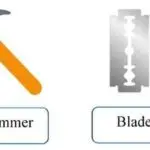
- Razor blades
- Matches and lighters
- Hot iron
- Medicines (without an adult)
- Cleaning chemicals (like bleach)
Why are they Dangerous?
- Sharp objects (knife, glass, razor) can cut us.
- Hot objects (iron, stove) can burn us.
- Medicines and chemicals can make us very sick.
- Matches and lighters can start a fire.
How to Avoid Dangerous Objects:
- NEVER touch them.
- STAY AWAY from them.
- ALWAYS tell a mummy, daddy, teacher, or any trusted adult if you see one.
Safety Rhyme: Don’t Touch!
Tune: “Twinkle, Twinkle Little Star”
Sharp and hot, or bad to taste,
Dangerous objects, no time to waste!
Don’t you touch, don’t you play,
Tell an adult right away!
Sharp and hot, or bad to taste,
Safety first, no time to waste!
Actions:
- “Sharp and hot…” – Point finger to head, shake head “no”.
- “Dangerous objects…” – Hold hands out in front, palms forward, as if stopping.
- “Don’t you touch…” – Shake head “no”, fold arms.
- “Tell an adult right away!” – Point to self, then point to an imagined adult.
Watch and Learn About Safety
Key Words
- Dangerous – Can hurt you.
- Sharp – Has a very thin edge that can cut.
- Hot – Very warm and can burn you.
- Poison – Something that can make you very sick if you eat or drink it.
💡 Teacher Guide for Using This Board Summary
How to teach the content: Introduce the concept of “dangerous” by asking pupils what makes them feel safe or unsafe. Use the pictures/charts to show examples of dangerous objects one by one. For each object, ask “What is this?” and “Why is it dangerous?” Use simple language to explain the meaning. Emphasize the three key rules: NEVER touch, STAY AWAY, ALWAYS tell an adult.
What to show or demonstrate: Display clear pictures of dangerous objects. Demonstrate the action of shaking your head “no” and pointing to an adult when discussing how to avoid them. You can also show a picture of a child safely playing with a toy versus a child reaching for a dangerous object to highlight the difference.
How to use the rhyme/song: Teach the “Don’t Touch!” rhyme line by line, demonstrating the actions. Repeat it several times throughout the lesson to reinforce the message. Encourage pupils to sing along and perform the actions with enthusiasm.
How to use the video: Introduce the video as a fun way to learn more about safety at home. Play the video, pausing if necessary to discuss specific dangerous items or actions shown. After watching, ask pupils to recall one dangerous thing they saw and what they should do if they see it.
What to watch for: Observe if pupils are able to correctly identify dangerous objects and understand the simple rules for avoiding them. Watch for any pupils who might be confused or seem to think it’s okay to touch certain items, and provide individual reinforcement.
Teaching Methods/Instructional Techniques
- Play-based Learning
- Demonstration
- Guided Practice
- Songs and Rhymes
- Picture Talk
- Question and Answer
- Role-play
- Repetition
Instructional Procedures
Step 1: Introduction
Time: 3 minutes
Teaching Skill: Engaging/Greeting
Teacher’s Activity: The teacher greets the pupils warmly and leads them in a short, familiar welcome song. The teacher then asks pupils what makes them feel safe or unsafe at home or school.
Pupils’ Activity: Pupils respond to greetings, sing along, and share simple ideas about safety.
Learning Point: Pupils are settled and introduced to the concept of safety.
Step 2: Meaning of Dangerous Objects
Time: 4 minutes
Teaching Skill: Explaining/Defining
Teacher’s Activity: The teacher explains in simple terms what dangerous objects are, using examples like “things that can hurt us.” The teacher shows a picture of a broken bottle and asks, “Can this hurt you?”
Pupils’ Activity: Pupils listen attentively and respond to the teacher’s questions with “yes” or “no.”
Learning Point: Pupils understand the basic meaning of a dangerous object.
Step 3: Examples of Dangerous Objects
Time: 5 minutes
Teaching Skill: Identification/Visual Aid Use
Teacher’s Activity: The teacher displays various pictures/charts of dangerous objects (e.g., sharp knife, scissors, pins, matches, hot iron, medicines). For each picture, the teacher asks pupils to identify the object and explains why it is dangerous.
Pupils’ Activity: Pupils identify the objects by naming them and listen to the explanations of their dangers. They point to the objects as the teacher names them.
Learning Point: Pupils can identify and name common dangerous objects.
Step 4: Dangers of Playing with Them
Time: 4 minutes
Teaching Skill: Discussion/Consequence Education
Teacher’s Activity: The teacher leads a discussion on what can happen if pupils play with dangerous objects (e.g., “If you touch a sharp knife, what can happen? You can cut your finger!”). The teacher emphasizes the importance of not touching these items.
Pupils’ Activity: Pupils participate in the discussion by suggesting possible dangers and repeating phrases like “It can cut me!” or “It can burn me!”
Learning Point: Pupils understand the negative consequences of playing with dangerous objects.
Step 5: How to Avoid Dangerous Objects
Time: 5 minutes
Teaching Skill: Demonstration/Guided Practice
Teacher’s Activity: The teacher demonstrates the three key rules: “NEVER touch,” “STAY AWAY,” and “ALWAYS tell an adult.” The teacher role-plays seeing a dangerous object and immediately telling an adult. Pupils are encouraged to practice saying “Don’t touch!” and “Tell an adult!”
Pupils’ Activity: Pupils repeat the safety rules and practice the actions of shaking their head “no” and pointing to an adult.
Learning Point: Pupils learn and practice the correct actions for avoiding dangerous objects.
Step 6: Reinforcement Activity (Rhyme and Video)
Time: 5 minutes
Teaching Skill: Reinforcement/Media Use
Teacher’s Activity: The teacher leads pupils in singing the “Don’t Touch!” safety rhyme with actions. Afterwards, the teacher shows the short video on home safety, encouraging pupils to pay attention to the dangerous items shown and what the children in the video do.
Pupils’ Activity: Pupils sing the rhyme with actions and watch the video, identifying dangerous items and safe actions.
Learning Point: Pupils reinforce their understanding of dangerous objects and safety rules through song and visual media.
Step 7: Evaluation/Review
Time: 4 minutes
Teaching Skill: Questioning/Assessment
Teacher’s Activity: The teacher checks pupils’ understanding through short questions and practical tasks.
- “What is a dangerous object?”
- “Show me a picture of something sharp.” (Teacher holds up a selection of pictures, some dangerous, some safe).
- “What should you do if you see a hot iron?”
- “Who should you tell if you see a broken bottle?”
Pupils’ Activity: Pupils respond orally and point to the correct pictures as requested.
Learning Point: Pupils demonstrate understanding of the lesson.
Step 8: Conclusion
Time: 2 minutes
Teaching Skill: Summarizing/Closing
Teacher’s Activity: The teacher summarizes the main points of the lesson, reminding pupils to always be safe and tell an adult about dangerous objects. The teacher leads a closing song.
Pupils’ Activity: Pupils listen to the summary and sing the closing song.
Learning Point: Pupils remember the importance of safety and avoiding dangerous objects.
Lesson Keywords
- Dangerous – Can hurt you.
- Sharp – Has a very thin edge that can cut.
- Hot – Very warm and can burn you.
- Poison – Something that can make you very sick.
- Safety – Being protected from harm or danger.
Differentiation
- Support: For pupils who are struggling, use larger, clearer pictures of dangerous objects. Provide more one-on-one repetition of the safety rules and guide their hands to point to the correct pictures. Use simple “yes/no” questions.
- Extension: For pupils who grasp the concept quickly, ask them to identify other dangerous objects not shown in the pictures that they might see at home or in the community. Encourage them to role-play a more detailed scenario of telling an adult about a dangerous object.
Community Join the conversation Open discussion +