

Note for teachers using this lesson plan
Before this lesson, gather various samples of soil (e.g., sandy, loamy, clayey if possible) in small containers, along with a magnifying glass and pictures of plants growing in soil. The central idea for pupils is to understand that soil is the ground beneath our feet and where most plants grow. Ensure children have a safe, clean space to touch and observe the soil. Successful learning will be observed when pupils can identify soil, describe its texture, and point out plants growing in it.
Class: Pre-School Level 3
Term: Second Term
Week: 9
Age: 4 years
Duration: 30 minutes
Subject: Basic Science and Technology
Curriculum Theme: Basic Science and Technology
Previous Lesson: Not separately stated in the scheme
Topic: SOIL
Subject Matter: Meaning of soil and soil as the surface where plants grow.
Specific Objectives
By the end of the lesson, pupils should be able to:
Cognitive Domain
- Identify soil when shown.
- State that soil is the surface of the earth.
- Name one thing that grows in soil (plants).
Affective Domain
- Show curiosity about soil by touching and observing it.
- Express appreciation for the role of soil in growing plants.
Psychomotor Domain
- Touch and feel different soil samples.
- Point to soil in the classroom environment or outdoors.
Social Domain
- Participate in group activities involving soil observation.
Reference Materials
- NAPPS National Unified Teaching Scheme for Pre-School Level 3
- Relevant Early Childhood Care and Education resources
Instructional Materials
- Various soil samples (e.g., sandy, loamy soil) in small trays or containers
- Small magnifying glasses
- Pictures or charts showing plants growing in soil
- A small potted plant
- Water for handwashing
Rationale for the Lesson
This lesson introduces young children to the concept of soil, a fundamental part of their natural environment. Understanding soil helps them connect with nature, learn about where food comes from, and appreciate the importance of the earth beneath their feet.Prerequisite/Previous Knowledge
Pupils have seen plants growing around their homes and school, and they have played outdoors on the ground.Lesson Content/Board Summary
Meaning of Soil and Soil as the Surface Where Plants Grow
What is Soil?
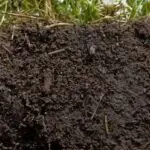
- Soil is the loose material that covers the surface of the earth.
- It is the ground we walk on.
- Soil can be brown, black, or reddish.
- It feels crumbly, sometimes soft, sometimes rough.
What Grows in Soil?
- Plants grow in soil.
- Trees, flowers, fruits, and vegetables all grow in soil.
- Soil gives plants water and food to help them grow big and strong.
Key Words
- Soil – The ground we walk on.
- Earth – The planet we live on.
- Plant – Something that grows in the soil, like a flower or tree.
- Grow – To get bigger.
Soil and Plant Rhyme
Tune: Twinkle, Twinkle Little Star
Lyrics:
Soil, soil, all around,
On the earth, upon the ground.
Brown or black, or red so deep,
Where the little seeds all sleep.
Plants grow up, so green and tall,
Soil helps them stand up tall!
Actions: Point to the ground, make a circular motion with hands for “all around,” touch the ground, pretend to plant a seed, then stretch hands upwards for “grow up tall.”
Watch and Learn About Soil
💡 Teacher Guide for Using This Board Summary
How to teach the content: Begin by showing pupils the actual soil samples. Let them observe the colours and textures. Explain simply that this is “soil” and it’s the ground we walk on. Then, introduce the idea that plants grow in soil, using the potted plant and pictures. Emphasize that soil helps plants grow.
What to show or demonstrate: Show different soil samples, allowing pupils to touch them gently. Use a magnifying glass to show them small particles in the soil. Point to a potted plant and explain it grows in soil. Show pictures of various plants (trees, flowers, vegetables) growing in the ground.
How to use the rhyme/song: Introduce the “Soil and Plant Rhyme” after explaining what soil is and what grows in it. Sing it slowly first, demonstrating the actions. Repeat it 2-3 times, encouraging pupils to join in with the words and actions. This reinforces the key concepts in a fun way.
How to use the video: Introduce the video as a short cartoon that will show them more about soil. Play the video: “What Is Soil? | Science for Kids” by SciShow Kids. After watching, ask simple questions like “What did you see in the soil?” or “What grows in the soil?” to check for understanding and encourage discussion.
What to watch for: Observe if pupils are hesitant to touch the soil or if they confuse soil with sand or dust. Gently guide them to explore the texture. Ensure they understand that plants need soil to grow, not just water.
Teaching Methods/Instructional Techniques
- Play-based Learning
- Demonstration
- Guided Practice
- Songs and Rhymes
- Picture Talk
- Question and Answer
- Manipulation of Objects
- Observation
Instructional Procedures
Step 1: Introduction
Time: 3 minutes
Teaching Skill: Engagement/Recall
Teacher’s Activity: The teacher greets the pupils and asks them what they like to play with outdoors. “What do you see on the ground when you play outside?”
Pupils’ Activity: Pupils respond by naming outdoor activities and things they see on the ground, like grass, stones, or dirt.
Learning Point: Pupils are engaged and begin thinking about their outdoor environment.
Step 2: Introducing Soil Samples
Time: 5 minutes
Teaching Skill: Demonstration/Observation
Teacher’s Activity: The teacher brings out the different soil samples in trays. “Today, we are going to learn about this! This is called soil. It’s the ground we walk on.” The teacher shows different colours and textures.
Pupils’ Activity: Pupils observe the soil samples, pointing out differences in colour.
Learning Point: Pupils are introduced to soil as a physical object.
Step 3: Hands-on Exploration of Soil
Time: 5 minutes
Teaching Skill: Guided Practice/Sensory Exploration
Teacher’s Activity: The teacher invites pupils, in small groups, to gently touch the soil samples. “How does it feel? Is it soft or rough? What colour is it?” The teacher provides magnifying glasses for closer observation.
Pupils’ Activity: Pupils touch the soil, describe its texture (e.g., “soft,” “rough,” “sandy”), and observe it with magnifying glasses.
Learning Point: Pupils develop sensory awareness and observation skills related to soil.
Step 4: Soil as a Place for Plants to Grow
Time: 5 minutes
Teaching Skill: Explanation/Connection
Teacher’s Activity: The teacher brings out a potted plant and pictures of plants. “Look at this plant! Where is it growing? It is growing in the soil! Soil helps plants grow big and strong.” The teacher points to plants in pictures and asks where they are growing.
Pupils’ Activity: Pupils identify the plant in the pot and point to the soil. They point to soil in the pictures where plants are growing.
Learning Point: Pupils understand the connection between soil and plant growth.
Step 5: Rhyme Reinforcement
Time: 4 minutes
Teaching Skill: Repetition/Motor Skills
Teacher’s Activity: The teacher leads the pupils in singing the “Soil and Plant Rhyme” with actions. The teacher sings slowly and encourages pupils to join in.
Pupils’ Activity: Pupils sing along with the teacher and perform the actions for the rhyme.
Learning Point: Pupils reinforce their understanding of soil and plants through a fun, interactive rhyme.
Step 6: Video on Soil
Time: 3 minutes
Teaching Skill: Audiovisual Learning
Teacher’s Activity: The teacher introduces and plays the short video about soil. After the video, the teacher asks simple questions like “What did the video say soil is for?”
Pupils’ Activity: Pupils watch the video and respond to the teacher’s questions.
Learning Point: Pupils gain further visual understanding of soil and its importance.
Step 7: Evaluation/Review
Time: 4–5 minutes
Teaching Skill: Questioning/Assessment
Teacher’s Activity: The teacher checks pupils’ understanding through short questions and practical tasks.
- “What is this called?” (Teacher points to a soil sample).
- “Show me where plants grow.” (Teacher points to a picture of plants, some in soil, some not).
- “How does the soil feel?” (Pupils touch soil).
- “Name one thing that grows in soil.”
Pupils’ Activity: Pupils respond orally and demonstrate the required skill where appropriate.
Learning Point: Pupils demonstrate understanding of the lesson.
Step 8: Conclusion
Time: 1 minute
Teaching Skill: Summarization
Teacher’s Activity: The teacher praises the pupils for their participation and reminds them that soil is important because it helps plants grow. “Remember to always wash your hands after touching soil.”
Pupils’ Activity: Pupils listen and repeat the importance of soil and handwashing.
Learning Point: Pupils conclude the lesson with a reinforced understanding and a practical hygiene tip.
Lesson Keywords
- Soil – The ground or earth we walk on.
- Plant – A living thing that grows in the soil, like a flower or tree.
- Grow – To get bigger or taller.
- Earth – The planet where we live, covered by soil and water.
Differentiation
- Support: For pupils who are hesitant or struggling, the teacher can provide one-on-one guidance during soil exploration, using hand-over-hand to help them feel the texture. Focus on identifying soil by pointing rather than verbalizing. Use larger, clearer pictures of plants in soil.
- Extension: For pupils who grasp the concept quickly, encourage them to describe the different colours of soil they see or to name more types of plants that grow in soil. They can also be asked to draw a simple picture of a plant growing in soil.

Community Join the conversation Open discussion +