

Class: Primary 5
Term: 3rd Term
Subject: Pre-Vocational Studies
Curriculum Theme: Home Economics
Previous Lesson: Meaning And Reasons For Cooking Food
Topic: Cooking Methods
Content/Learning Area: Cooking methods: Steaming, Stewing, Frying, Roasting, Grilling, Baking, etc.
Time Allocation: 40 minutes
Performance Objectives
By the end of the lesson, pupils should be able to:
- Cognitive Domain: Identify and list different methods of cooking.
- affective Domain: Show interest in learning about food planning methods.
- Psychomotor Domain: Demonstrate simple cooking actions such as stirring or observing food being cooked.
- Social Domain: Cooperate with others during group discussions or food demonstrations.
Reference Materials
The following resources were used in planning this lesson:
- 9 Years Basic Education Curriculum
- Abuja Educational Resource Center Scheme of work
- NAPPS National Unified Scheme of Work
- Online Information from: wikipedia – List of cooking techniques
- Relevant textbooks
Instructional Materials
To deliver this lesson, the teacher will use the following:
- Charts showing cooking methods
- Real or toy kitchen utensils (pots, pans, spoons, etc.)
- Flashcards with names and pictures of cooking methods
- Samples or images of cooked food
- Gas burner or stove (if safe and available for exhibition)
rationale for the Lesson
This lesson helps pupils understand how food is prepared and the various ways cooking is done at home, improving health and safety awareness.
Prerequisite/Previous Knowledge
Pupils have seen food being cooked at home and can name some foods and how they are prepared.
Lesson Content
Cooking Methods
Cooking methods are the different ways we use heat to prepare food. Some methods use water, oil, or dry heat to cook food properly.
Moist Heat Methods: These are methods that use water or steam to cook food. The following are:
- Steaming
- Boiling
- Stewing
- Poaching
- Braising
Dry Heat Methods: These are methods that cook food without water or steam. The following are:
- Roasting
- Grilling
- Baking
- Broiling
- Smoking
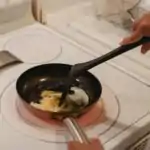
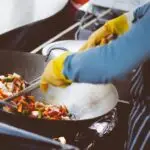
Frying Methods: These methods use hot oil to cook food. Examples are:
- Shallow frying
- Deep frying
- Stir-frying
- Pan-frying
- Sautéing
importance of Cooking Food
Cooking food helps make it safe and tasty to eat. The following are:
- Kills germs in food
- Makes food soft
- Improves taste
- Makes food last longer
- Makes food easier to digest
Teaching Methods
To deliver this lesson, the teacher will adopt the following methods: Discussion, Lecture, Demonstration, Explanation, Group Work, Use of Visual Aids
Instructional Procedures
To deliver this lesson, the teacher will adopt the following steps:
Step 1: Introduction
Time: 5 mins
Teaching Skill: Set Induction
Teacher’s Activity: Teacher displays cooking utensils and asks pupils how their parents cook food at home.Pupils’ Activity: Pupils answer questions based on what they know.
step 2: Moist Heat Methods
Time: 7 mins
Teaching Skill: Explanation
Teacher’s Activity: Teacher explains moist heat cooking with charts and shows pictures of boiling, steaming, and stewing.
Pupils’ Activity: Pupils observe and listen carefully.
Step 3: Dry Heat Methods
Time: 7 mins
Teaching Skill: Visual Aids
teacher’s Activity: Teacher displays examples of roasted and baked foods, explains the process with aid of real or sample food images.
pupils’ Activity: Pupils watch and describe what they see.
Step 4: Frying Methods
Time: 6 mins
Teaching Skill: Demonstration
Teacher’s Activity: Teacher shows frying tools and pictures of fried foods and explains frying methods.
Pupils’ Activity: Pupils observe and answer questions.
Step 5: Importance of Cooking
Time: 5 mins
Teaching Skill: Discussion
Teacher’s Activity: Teacher discusses reasons why food must be cooked before eating.
Pupils’ Activity: Pupils discuss and share their ideas.
Step 6: Note-Taking
Time: 3 mins
Teaching Skill: Copying Skill
Teacher’s Activity: Teacher dictates or writes key points on the board for pupils to copy.
Pupils’ Activity: Pupils copy notes into their books.
Step 7: Evaluation/Review
Time: 4 mins
Teaching Skill: Assessment
Teacher’s Activity: Teacher asks pupils questions to review what they have learnt.
Pupils’ Activity: Pupils answer and participate actively.
Objective-aligned checks:
- Identify and list different methods of cooking.
- Demonstrate simple cooking actions such as stirring or observing food being cooked.
Step 8: conclusion
Time: 3 mins
Teaching Skill: Instructional/Cognitive/Social
Teacher’s Activity: Teacher summarizes lesson,encourages neat cooking habits,and praises pupils’ efforts.
Pupils’ Activity: Pupils listen, ask final questions, and get feedback.
lesson Keywords
- Boiling – Cooking food in hot water
- Frying – Cooking food in hot oil
- Roasting – cooking food with dry heat or fire
- Steaming – Cooking food with hot steam
- Baking – Cooking food using dry heat in an oven
- Grilling – Cooking food over direct heat
Lesson Evaluation
To evaluate the learning, the teacher asks pupils to:
- Mention three methods of cooking that use water.
- Name two types of frying.
- List two cooking methods that use dry heat.
- Say one reason why we must cook food.
- describe what happens when we steam food.
Assignment/Homework
- ask your parents to show you how they cook food at home and write down the methods they use.
- Draw pictures of three different cooking methods.
- List five foods commonly prepared using frying methods in Nigeria.
Differentiation
- For slower learners: Teacher supports slower learners with visuals and repeat explanation.
- For advanced learners: advanced learners are given extra questions or allowed to assist peers.
- For visual/auditory/kinesthetic learners: Use visual aids, verbal explanations, and hands-on activities to cater to different learning styles.
Note for Teachers
Ensure safety when using real cooking items and supervise closely. Encourage pupils to share home experiences with cooking to boost understanding.


Community Join the conversation Open discussion +