

Class: Primary One
Term: Third Term
Subject: Pre-vocational Studies
Curriculum Theme: Home Economics
Previous Lesson: Food For Health, Classes of Food and Their Importance
Topic: Basic Methods of Cooking
Content/Learning Area: Describing basic cooking methods, Showing interest in cooking methods, demonstrating simple cooking practices, Cooperating in group discussions
Time allocation: 40 minutes
Performance objectives
By the end of the lesson, pupils should be able to:
- Cognitive Domain:
1. Describe the basic methods of cooking.
- Psychomotor Domain:
1. Demonstrate simple cooking practices with clay or play dough.
- Affective Domain:
1. Show interest in learning about different methods of cooking.
- Social Domain:
1.Cooperate in group discussions about healthy eating and cooking.
Reference Materials
- 9 – Years Basic Education Curriculum
- Abuja Educational Resource Center Scheme of Work
- NAPPS National unified Scheme of Work
- Relevant Textbooks
instructional Materials
To deliver this lesson,the teacher will use the following materials:
- Whiteboard or chart
- Markers or chalk
- Clay or play dough
- Pictures or illustrations of different cooking methods
Rationale for the lesson
Understanding basic cooking methods is crucial for healthy eating and independent living. This lesson provides a foundation for future lessons on nutrition and food readiness, empowering pupils with essential life skills.
Prerequisite/Previous Knowledge
The teacher will start by asking pupils what they ate for breakfast and how their food was prepared. This will lead into a discussion about different ways food can be cooked, setting the stage for the lesson.
Lesson content
Basic Methods of Cooking
cooking is preparing food using heat. Different methods transfer heat differently.
Boiling
Boiling cooks food in hot water (100°C/212°F). Heat transfers from the water to the food. Examples are:
- Pasta
- Rice
- Vegetables
- Eggs
- Yam
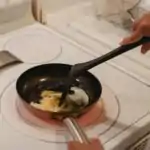
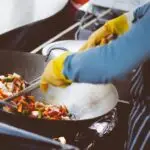
Frying
Frying uses hot oil or fat to cook food quickly, creating a crispy outside. Examples are:
- Chicken
- fish
- Potatoes
- Onions
- Plantain
steaming
Steaming uses steam from boiling water to gently cook food, preserving nutrients. Examples are:
- Vegetables
- Fish
- Dumplings
- Moi-Moi
- Corn
Baking
Baking cooks food in a hot oven.Hot air cooks the food. Examples are:
- Breads
- Cakes
- Pastries
- Casseroles
- Biscuits
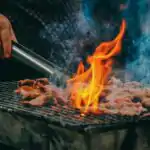
Roasting
Roasting is similar to baking but uses higher oven temperatures. Examples are:
- Meats
- Vegetables
- Nuts
- Chicken
- Potatoes
Teaching Methods
To deliver this lesson, the teacher will adopt the following methods: Discussion, Presentation, and Hands-on Activity.
Instructional Procedures
To deliver this lesson, the teacher will adopt the following steps:
step 1: Introduction
Time: 5 minutes
Teaching Skill: Questioning
Teacher’s Activity: Ask pupils about their breakfast and how it was prepared. Introduce the topic: Basic Methods of Cooking.
Pupils’ Activity: Share their breakfast experiences and listen to the introduction.
Step 2: Explanation of Key Concepts
Time: 15 minutes
Teaching Skill: Explanation
Teacher’s Activity: Explain the different cooking methods (boiling, frying, steaming, baking, roasting) with examples.
Pupils’ Activity: Listen attentively and ask clarifying questions.
Step 3: Presentation/Guided Practice
Time: 10 minutes
Teaching Skill: Demonstration
Teacher’s Activity: Demonstrate simple cooking actions using clay or play dough.
Pupils’ Activity: Observe the demonstration and participate in guided practice.
Step 4: Independent Practice
Time: 5 minutes
Teaching Skill: Monitoring
Teacher’s Activity: Supervise pupils as they independently practice using clay or play dough.Pupils’ Activity: Practice cooking actions independently.
Step 5: Note-Taking
Time: 2 minutes
Teaching Skill: Note-taking
Teacher’s activity: Guide pupils in taking notes on the key cooking methods.
Pupils’ Activity: Take notes on the key cooking methods.
Step 6: Evaluation/Review
Time: 3 minutes
Teaching Skill: Questioning
Teacher’s Activity: Ask review questions to assess understanding.
pupils’ Activity: Answer review questions.
Objective-aligned checks:
- Describe the basic methods of cooking.
- Demonstrate simple cooking practices with clay or play dough.
- Show interest in learning about different methods of cooking.
step 7: Conclusion
Time: 2 minutes
Teaching Skill: Summarizing
Teacher’s Activity: Summarize the key cooking methods learned and encourage pupils to practice these methods safely at home with adult supervision.
Pupils’ Activity: Listen to the summary and ask any remaining questions.
Lesson keywords
- Boiling – Cooking food in hot water.
- Frying – Cooking food in hot oil or fat.
- Steaming – Cooking food with steam.
- Baking – Cooking food in a hot oven.
- roasting – Cooking food at high temperatures in an oven.
Lesson Evaluation
To evaluate the learning,the teacher asks pupils to:
- What is cooking?
- Name two cooking methods.
- Why is knowing different cooking methods significant?
- Give examples of foods cooked by boiling.
- Give examples of foods cooked by frying.
Assignment/Homework
- Ask your parents or guardians to show you how they cook food using different methods.
- draw pictures of foods cooked using boiling, frying, and baking methods.
- Write down the names of three foods you enjoy eating that are cooked using different methods.
Differentiation
- For slower learners: Provide one-on-one assistance during the hands-on activity.
- For advanced learners: Encourage them to research and present additional cooking methods.
- For visual/auditory/kinesthetic learners: Use visual aids, verbal explanations, and hands-on activities to cater to different learning styles.
Note for Teachers
Ensure to supervise pupils closely during the hands-on activity to prevent accidents.Emphasize the importance of safety in the kitchen and the need for adult supervision when cooking at home.
Community Join the conversation Open discussion +