

Class: Primary 5
Term: 2nd Term
Subject: Pre-Vocational Studies
Curriculum Theme: Home economics
Previous Lesson: Uses Of Sewing Tools
Topic: Care of Sewing Tools
Content/Learning Area: Care of sewing tools
Time Allocation: 40 minutes
Performance objectives
By the end of the lesson, pupils should be able to:
- Cognitive Domain: Explain what sewing tools are and state seven ways to care for them.
- Affective Domain: Appreciate the importance of maintaining sewing tools in good condition.
- Psychomotor domain: Demonstrate how to clean and store sewing tools properly.
- Social Domain: Collaborate with peers to organize and care for sewing tools.
Reference Materials
The following resources where used in planning this lesson:
- 9–Years Basic Education Curriculum Abuja
- Educational Resource Centre Scheme of Work
- NAPPS National Unified Scheme of Work
- Online Information from: Ageberry – care Of Sewing Tools And Equipment
- Relevant Textbooks
Instructional Materials
To deliver this lesson, the teacher will use the following materials:
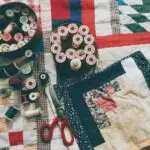
- Samples of sewing tools (needles, thread, scissors, measuring tape, etc.)
- Pictures of sewing tools in good and poor conditions
- A presentation kit for cleaning sewing tools
Rationale for the Lesson
Understanding the care of sewing tools is essential for their durability and efficiency. Proper maintenance ensures that tools remain functional and safe, saving money and time.
prerequisite/Previous Knowledge
Pupils have learned about the uses of sewing tools and have likely observed their parents or older siblings handling these tools.
Lesson content
Care of Sewing Tools
Sewing tools are items like needles, scissors, measuring tape, and thread used for making or mending clothes. Taking care of these tools ensures they last longer and work effectively.
Ways to Care for sewing Tools
Caring for sewing tools ensures they remain in good condition and function effectively. These include:
- Clean scissors regularly to remove rust or dirt.
- Store needles and pins in a pin cushion to avoid injury.
- Keep threads in a dry place to prevent dampness.
- Sharpen scissors when they become dull.
- Use sewing tools only for their intended purpose.
- Cover sewing machines when not in use.
- Organize tools in a box or container to avoid misplacement.
- Oil moving parts of sewing machines to ensure smooth operation.
- Replace broken or damaged tools promptly to prevent accidents.
- Store measuring tapes properly to prevent stretching or damage.
Teaching Methods
To deliver this lesson, the teacher will adopt the following methods: Interactive Questioning, Expository, Visual Aids, Demonstration, Group Work, Discussion, Practical Demonstration, Hands-on practice, Note-Taking, Guided Note Copying, Questioning, Interactive Review, Summary, Recap.
Instructional Procedures
To deliver this lesson, the teacher will adopt the following steps:
Step 1: Introduction
Time: 5 mins
Teaching Skill: Set Induction
Teacher’s Activity: Displays sewing tools and asks pupils to identify them. Asks why they think proper care is necessary.Pupils’ Activity: Respond to questions and share observations.
Step 2: Explanation of Care of Sewing Tools
Time: 10 mins
Teaching Skill: Expository
Teacher’s Activity: explains the meaning of sewing tools and describes their care. Demonstrates cleaning and proper storage.
Pupils’ Activity: observe and ask questions for clarification.
Step 3: Practical Demonstration
Time: 10 mins
Teaching Skill: Demonstration
Teacher’s Activity: Shows how to clean scissors,organize needles,and safely store threads.
Pupils’ Activity: participate in the cleaning and association exercise.
step 4: Guided Discussion
Time: 5 mins
Teaching Skill: Discussion
Teacher’s Activity: Divides pupils into small groups to discuss other ways to care for sewing tools.
Pupils’ Activity: Share ideas within groups and present to the class.
Step 5: Note-Taking
Time: 5 mins
teaching Skill: Note writing
Teacher’s Activity: Dictates or writes key points for pupils to copy.Pupils’ Activity: Copy notes neatly into their exercise books.
Step 6: Evaluation/Review
time: 3 mins
Teaching Skill: Questioning
Teacher’s Activity: Asks pupils questions to test understanding of the lesson.
Pupils’ Activity: Respond to questions orally and in writing.
Objective-aligned checks:
- Explain what sewing tools are and state seven ways to care for them.
- Demonstrate how to clean and store sewing tools properly.
Step 7: Conclusion
Time: 2 mins
Teaching skill: Summary
Teacher’s Activity: Recaps the lesson and highlights the importance of tool care.
Pupils’ Activity: Listen and ask final questions.
Lesson Keywords
- Sewing Tools – Items used for making or mending clothes.
- Maintenance – The act of keeping tools in good condition.
- Storage – The method of keeping tools safe and organized.
- Cleaning – Removing dirt and rust from tools.
- Durability – The ability of tools to last long.
Lesson Evaluation
To evaluate the learning, the teacher asks pupils to:
- What are sewing tools?
- Mention three examples of sewing tools.
- State four ways to care for sewing tools.
- Why is it important to care for sewing tools?
Assignment/Homework
- List five additional ways to care for sewing tools not mentioned in class.
- Interview a tailor or seamstress about how they care for their sewing tools.
- Wriet a short paragraph on the importance of maintaining sewing tools.
Differentiation
- For slower learners: Provide simplified instructions and hands-on assistance during demonstrations.
- For advanced learners: Challenge them to research and present on advanced tool maintenance techniques.
- For visual/auditory/kinesthetic learners: Use visual aids, verbal explanations, and hands-on activities to cater to different learning styles.
Note for Teachers
Ensure all tools used for demonstration are in good condition to inspire the pupils. Encourage pupils to share their experiences with sewing tools at home. Reinforce the importance of safety when handling sharp objects like needles and scissors.

Community Join the conversation Open discussion +