

Class: Primary Four
Term: Frist Term
Subject: national values Education
Curriculum Theme: Social studies
Previous Lesson: Marriage Problems And Their Solutions
topic: Elements of Culture
Content/Learning Area: Identifying four elements of culture, Explaining the importance of understanding different elements of culture
Time Allocation: 40 minutes
Performance Objectives
By the end of the lesson, pupils should be able to:
- Cognitive Domain:
1. Identify four elements of culture.
2. Explain the importance of understanding different cultures.
- Affective domain:
1. Show respect for different cultures.
2. Appreciate cultural diversity.
- Psychomotor Domain:
1. Actively participate in class discussions.
2. Take notes on the elements of culture.
- Social Domain:
1. Work collaboratively with peers.
2. Share ideas and opinions respectfully.
Reference Materials
- 9 – years Basic Education Curriculum
- Abuja educational Resource Center Scheme of Work
- NAPPS National Unified Scheme of Work
- Relevant Textbooks
Instructional Materials
To deliver this lesson, the teacher will employ the help of the following materials:
- whiteboard or chart paper
- Markers or crayons
- Pictures or images representing different cultures
Rationale for the Lesson
Understanding different cultures promotes tolerance, respect, and peaceful coexistence. This lesson provides a foundation for appreciating cultural diversity, essential for navigating an increasingly interconnected world.
Prerequisite/Previous Knowledge
Pupils are familiar with their own cultural practices and traditions.
Lesson Content
Elements of Culture
Culture is a way of life for a group of people. It includes their beliefs, customs, traditions, and values. Here are some key elements:
food
What people eat is a meaningful part of their culture. Different cultures have unique foods, cooking methods, and eating habits. Such as, Nigerian cuisine includes Jollof rice, Fufu, and Egusi soup.
dressing
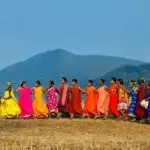
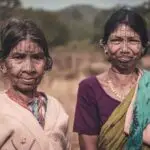
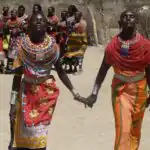
Clothing styles reveal much about a culture. Different cultures have distinct clothing styles, often varying for special occasions. For instance, some cultures feature veils for women, while others have saris.
Language
Language is crucial for dialog and sharing ideas. Different cultures have different languages,and even within a country,dialects can exist.
Religion
Religion encompasses beliefs and practices that influence many aspects of life, including food, clothing, and holidays. Major world religions include Christianity, Islam, Hinduism, and Buddhism.
Festivals
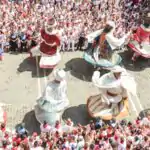
Festivals are special events celebrating vital events or traditions. They can be religious, cultural, or seasonal. Examples include Christmas,Eid al-Fitr,and Diwali. Learning about clothes for different occasions can help us understand festivals better. Understanding the meaning and elements of culture is also important.
Understanding these elements fosters respect and recognition for diverse cultures.
Teaching Methods
To deliver this lesson, the teacher will adopt the following methods: Discussion, Question and answer, Use of visual aids
Instructional Procedures
to deliver this lesson, the teacher will adopt the following steps:
Step 1: Introduction
Time: 5 minutes
Teaching Skill: Set Induction
Teacher’s Activity: Ask pupils to share examples of cultural practices they know.
pupils’ Activity: Share examples of cultural practices.
Step 2: Explanation of Key Concepts
Time: 10 minutes
Teaching Skill: Explaining
Teacher’s Activity: Define culture and introduce the four elements: food, clothing, language, and religion.Pupils’ Activity: Listen attentively and take notes.
Step 3: Demonstration/Guided Practice
Time: 10 minutes
Teaching Skill: Modeling
Teacher’s Activity: Show pictures of different cultural practices related to food, clothing, language, and religion. Ask guiding questions.
Pupils’ Activity: Observe the pictures and answer the questions.
Step 4: Autonomous Practice
Time: 5 minutes
Teaching Skill: monitoring
Teacher’s Activity: Pupils work individually to answer questions about the elements of culture.
Pupils’ Activity: Answer questions individually.
Step 5: Note-Taking
Time: 5 minutes
teaching Skill: Summarizing
Teacher’s Activity: Summarize the key points of the lesson.
Pupils’ Activity: Take notes on the key points.
Step 6: Evaluation/Review
Time: 5 minutes
Teaching Skill: Assessing
Teacher’s Activity: Ask evaluation questions.
Pupils’ Activity: Answer evaluation questions.
Objective-aligned checks:
- Identify four elements of culture.
- Explain the importance of understanding different cultures.
- Show respect for different cultures.
Step 7: Conclusion
Time: 5 minutes
Teaching Skill: Summarizing
Teacher’s Activity: Conclude the lesson by reviewing the key elements of culture and emphasizing the importance of respecting cultural diversity. Assign homework.
Pupils’ Activity: Listen attentively and prepare for homework.
Lesson Keywords
- Culture – The way of life of a group of people, including their beliefs, customs, and traditions.
- Food – The types of meals and eating habits unique to a culture.
- Clothing – The styles of dress and attire specific to a culture.
- Language – The system of communication used by a particular community or nation.
- Religion – A set of beliefs concerning the cause, nature, and purpose of the universe.
- Festivals – celebrations or special events that mark critically important occasions or traditions in a culture.
Lesson Evaluation
to evaluate the learning, the teacher asks pupils to:
- Name four elements of culture we discussed.
- Why is it important to understand different cultures?
- give examples of festivals from different cultures.
- How does understanding different cultures help us live together peacefully?
Assignment/Homework
- Research and share a cultural practice from a different country.
- Write a short paragraph about a festival celebrated in your culture.
- List three ways that understanding different cultures can improve our community.
Differentiation
- For slower learners: Provide one-on-one assistance and simplified explanations.
- For advanced learners: Encourage them to research and present on additional cultural elements.
- For visual/auditory/kinesthetic learners: Use visual aids, discussions, and hands-on activities to cater to different learning styles.
Note for Teachers
Encourage pupils to share their own cultural experiences to create a more engaging and inclusive learning environment. Emphasize the importance of respect and understanding when discussing different cultures.
Community Join the conversation Open discussion +