

class: Primary 6
Term: 2nd Term
Subject: National Values Education
Curriculum Theme: Social Studies
Previous Lesson: Social And Moral Responsibilities Of Bachelors And Spinsters In Courtship
Topic: Meaning Of Foreign Culture
Content/Learning Area: Meaning Of Foreign Culture,Examples Of Foreign Cultures,Effects Of Foreign Culture On Society
time Allocation: 40 minutes
Performance Objectives
By the end of the lesson,pupils should be able to:
- cognitive Domain: Define foreign culture and identify examples in their habitat.
- Affective Domain: Explain how foreign culture influences their behavior and lifestyle.
- Psychomotor Domain: Demonstrate an example of a foreign cultural practice (e.g.,greetings,dressing).
- Social Domain: Discuss how people should embrace or reject certain foreign cultures in their community.
Reference Materials
The following resources were used in planning this lesson:
- 9 – Years Basic Education Curriculum
- Abuja Educational Resource Center Scheme of Work
- NAPPS National Unified Scheme of Work
- Online Information from: IGI Global – What is ‘Foreign’ Cultures
- Relevant Textbooks
Instructional Materials
To deliver this lesson, the teacher will use the following materials:
- Pictures of people practicing different foreign cultures (e.g., foreign food, dressing, greetings)
- Videos or charts showing examples of foreign culture
- Flashcards with images of traditional and foreign cultures
Rationale for the Lesson
Foreign culture plays a critically important role in shaping how people live, dress, speak, and behave.Understanding foreign culture helps pupils appreciate diversity, adopt beneficial aspects, and avoid harmful influences.
Prerequisite/Previous Knowledge
Pupils are familiar with their local culture and traditions, including native dressing, food, and greetings. They have also seen or experienced some foreign cultural elements in their community or school.
Lesson Content
Meaning Of Foreign Culture
Foreign culture refers to the customs, traditions, values, and lifestyle of people from othre countries that differ from one’s own culture. It includes language, dressing, food, greetings, and entertainment.
examples Of Foreign Culture
Foreign cultures are diverse and can be found all over the world. These include:
- western cultures for example, American and European
- Eastern culture for example, Arabic
- Oriental culture for example, Chinese, Japanese and people from other Asian countries.
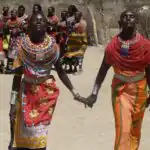
- African cultures such as those from Ghana, Kenya, or South Africa, each with unique traditions and languages.
- latin American cultures, including those from Brazil, Mexico, and argentina, known for their music, dance, and cuisine.
Effects Of Foreign Culture on Society
Foreign culture can have both positive and negative impacts on a society. These include:
- Positive effects: Encourages cultural exchange, promotes education, and improves lifestyle.
- Negative Effects: Can lead to loss of local traditions and promote unhealthy habits.
- Increased Tolerance: Exposure to different cultures can foster greater understanding and acceptance of diversity within a society.
- Economic Growth: Foreign cultures can introduce new business practices, technologies, and investment opportunities, leading to economic growth.
- Cultural hybridity: The blending of foreign and local cultures can create new and unique cultural expressions in art, music, and fashion.
Teaching Methods
To deliver this lesson, the teacher will adopt the following methods: Discussion,Storytelling,Explanation,Visual Aids,think-Pair-Share,Interactive Method.
Instructional Procedures
To deliver this lesson, the teacher will adopt the following steps:
Step 1: Introduction
Time: 5 mins
Teaching Skill: Set Induction
Teacher’s Activity: the teacher asks pupils about their native culture and customs.
Pupils’ Activity: Pupils respond by describing their local culture.
Step 2: Explanation of Foreign Culture
Time: 10 mins
Teaching Skill: Expository
teacher’s Activity: the teacher explains foreign culture and gives real-life examples.
Pupils’ Activity: Pupils listen attentively and take notes.
Step 3: Examples of Foreign Culture
Time: 10 mins
Teaching Skill: Guided Inquiry
Teacher’s Activity: The teacher shows pictures of foreign cultural practices and discusses them.Pupils’ Activity: Pupils observe, describe, and relate to what they see.
Step 4: Effects of Foreign Culture
Time: 5 mins
Teaching Skill: Interactive
Teacher’s Activity: The teacher asks pupils to discuss in pairs how foreign culture has affected their lifestyle.
Pupils’ Activity: Pupils share their thoughts in pairs and with the class.
Step 5: Note-Taking
Time: 5 mins
Teaching Skill: Demonstration
Teacher’s Activity: The teacher dictates the lesson note for pupils to copy.
Pupils’ Activity: Pupils wriet down the key points.
Step 6: Evaluation/Review
Time: 3 mins
Teaching Skill: questioning
Teacher’s Activity: The teacher asks pupils to mention examples of foreign culture.
Pupils’ Activity: Pupils answer questions based on the lesson.
Objective-aligned checks:
- Define foreign culture and identify examples in their habitat.
- Explain how foreign culture influences their behavior and lifestyle.
- Demonstrate an example of a foreign cultural practice (e.g.,greetings,dressing).
Step 7: Conclusion
Time: 2 mins
Teaching Skill: Summary
Teacher’s activity: The teacher summarizes key points and encourages pupils to appreciate good aspects of foreign culture.
Pupils’ Activity: Pupils listen and ask final questions.
Lesson Keywords
- Foreign Culture – the customs, traditions, values, and lifestyle of people from other countries.
- Cultural Exchange – The sharing and interaction of different cultures.
- Traditions – Customs or beliefs passed down from generation to generation.
- Values – Principles or standards of behavior; one’s judgment of what is crucial in life.
- Lifestyle – The way in which a person or group lives.
Lesson Evaluation
to evaluate the learning, the teacher asks pupils to:
- Define foreign culture.
- mention two examples of foreign culture.
- Explain two positive effects of foreign culture.
- State one negative effect of foreign culture.
- Give an example of how they have personally experienced foreign culture.
Assignment/Homework
- Research and write about a specific foreign culture, including its traditions, food, and clothing.
- Interview a family member or friend who has experienced a foreign culture and write a short summary of their experience.
- List five ways foreign culture has influenced your community.
- Discuss the benefits and drawbacks of cultural exchange in Nigeria.
- Write a paragraph on how you can promote positive cultural interactions in your school.
Differentiation
- For slower learners: They will list examples of foreign culture with the help of picture aids.
- For advanced learners: They will explain in detail how foreign culture has influenced their family or community.
- For visual/auditory/kinesthetic learners: Use visual aids like videos and pictures, encourage group discussions, and incorporate activities were they can act out or demonstrate cultural practices.
Note for Teachers
Encourage pupils to appreciate their own culture while embracing positive aspects of foreign culture. Use relatable examples from their environment to make the lesson interactive. Happy teaching!



Community Join the conversation Open discussion +