

class: Primary 4
Term: 3rd Term
Subject: National Values Education
Curriculum Theme: Social Studies
Previous Lesson: Prevention Of Drug Abuse And Life Coping Skills
topic: Meaning, Types, Causes And Prevention Of Pollution
Content/Learning area: Meaning of pollution, Types of pollution, Causes of pollution, Methods of prevention
Time Allocation: 40 minutes
Performance objectives
By the end of the lesson, pupils should be able to:
- Cognitive Domain: Explain the meaning of pollution and identify its different types
- Affective domain: Show concern for a clean and healthy habitat
- Psychomotor Domain: Create simple posters showing ways to prevent pollution
- Social Domain: Work together in groups to suggest ways to reduce pollution in their community
Reference Materials
The following resources were used in planning this lesson:
- 9 Years Basic Education Curriculum
- Abuja Educational Resource Center Scheme of Work
- NAPPS National Unified Scheme of Work
- Online Information from: Wikipedia – Pollution
- Relevant Textbooks
Instructional Materials
To deliver this lesson, the teacher will use the following materials:
- charts showing polluted and clean environments
- Pictures of air, water and land pollution
- Flashcards of pollution types and causes
- Posters showing ways to prevent pollution
Rationale for the Lesson
this lesson helps pupils understand how pollution affects their environment and what they can do to prevent it.
Prerequisite/Previous Knowledge
Pupils have observed dirty environments and waste around them and are familiar with basic sanitation.
Lesson Content
Meaning, Types, Causes And prevention Of Pollution
Pollution means making the environment dirty and unsafe. It happens when harmful things are added to land,air,or water. It makes the land, air, or water unsafe for people, animals, and plants.
Types of Pollution
There are different ways pollution can happen.
The following are the main types of pollution:
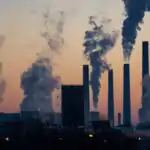
- Air pollution
- Water pollution
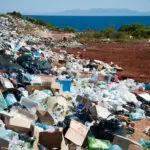
- Land pollution
- Noise pollution
- Light pollution
- Thermal pollution
- Radioactive pollution
Causes of Pollution
Pollution is caused by many things people do.
These include:
- Smoke from cars and factories
- Throwing waste into rivers
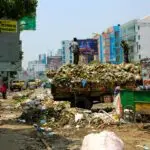
- Dumping refuse on the ground
- Playing loud music or honking too much
- Agricultural activities such as the use of pesticides and fertilizers
- Mining activities that release harmful chemicals into the environment
- Oil spills from tankers and pipelines
Prevention of Pollution
We can stop pollution by doing good things.
They are:
- Planting trees around our houses
- Throwing waste in dustbins
- Not pouring dirty water into gutters
- Using less plastic and recycling
- Avoiding noise in public places
- Using public transportation or carpooling to reduce emissions
- Supporting policies and initiatives that promote environmental protection
Teaching Methods
To deliver this lesson, the teacher will adopt the following methods: Discussion, Lecture, Storytelling, Explanation, Visual aids, Group Work
Instructional Procedures
To deliver this lesson, the teacher will adopt the following steps:
Step 1: Introduction
Time: 5 mins
Teaching Skill: Set Induction
Teacher’s Activity: Tells a short story about a dirty environment and asks pupils what they noticed
Pupils’ Activity: Listen and respond to questions
Step 2: Meaning of Pollution
time: 5 mins
Teaching Skill: Explanation
Teacher’s Activity: Explains the meaning of pollution using flashcards and real-life examples
Pupils’ Activity: Listen and give examples
Step 3: Types of Pollution
Time: 7 mins
Teaching Skill: Visual Aids
Teacher’s Activity: Shows pictures of polluted air, water, land and explains each
Pupils’ Activity: Identify types of pollution in pictures
Step 4: Causes of Pollution
Time: 6 mins
Teaching Skill: Discussion
Teacher’s Activity: Leads discussion on common causes of pollution around the school or community
Pupils’ Activity: Mention causes they see around them
Step 5: Prevention of Pollution
time: 6 mins
Teaching Skill: Group Work
Teacher’s Activity: Groups pupils to list ways to stop pollution and share their posters
Pupils’ Activity: Create and present simple posters on prevention
Step 6: Note-taking
Time: 5 mins
Teaching Skill: Writing Skills
Teacher’s Activity: Guides pupils to copy the summarized notes on the board
Pupils’ Activity: Copy the notes carefully
Step 7: Evaluation/review
Time: 3 mins
Teaching Skill: Questioning
Teacher’s Activity: Asks oral questions on meaning, types, causes and prevention
Pupils’ Activity: Answer the questions
Objective-aligned checks:
- Explain the meaning of pollution and identify its different types.
- Show concern for a clean and healthy habitat.
Step 8: Conclusion
Time: 3 mins
Teaching Skill: Cognitive, Social
Teacher’s Activity: Recaps key points, praises good participation, reminds them to keep their areas clean
Pupils’ Activity: Listen, reflect and agree to act on what they learned
Lesson Keywords
- Pollution – Making the environment dirty
- Environment – The place we live in
- Prevention – Stopping something from happening
- Air Pollution – Dirty or smoky air
- Recycle – Using old things again
- Contaminants – Substances that cause pollution
- Ecosystem – A community of living organisms and their environment
Lesson Evaluation
To evaluate the learning, the teacher asks pupils to:
- What is pollution?
- name two types of pollution
- mention two causes of pollution
- list two ways to prevent pollution
- Draw or design a simple poster showing ways to keep the environment clean
Assignment/Homework
- List three human activities that cause pollution in your community.
- Describe two ways you can personally help to reduce pollution.
- Research and write about a major pollution problem in Nigeria and suggest possible solutions.
Differentiation
- For slower learners: Provide simplified explanations and visual aids.Pair them with stronger learners for peer support.
- For advanced learners: Encourage them to research and present on specific pollution-related topics or lead group discussions.
- For visual/auditory/kinesthetic learners: Use charts, videos, and hands-on activities like creating recycling bins or planting trees.
Note for Teachers
Always make the lesson interactive.Use real-life examples around the school or community to explain pollution. Encourage pupils to keep their classroom and surroundings clean.

Community Join the conversation Open discussion +