

Class: Primary Four
term: Frist Term
Subject: National Values Education
Curriculum Theme: Social Studies
Previous lesson:
Topic: Customs and Beliefs
Content/Learning Area: Customs, Beliefs, Yoruba Culture, Igbo Culture, Hausa Culture, religious Beliefs, Superstitions, Ancestral Worship
Time Allocation: 40 minutes
Performance Objectives
By the end of the lesson, pupils should be able to:
- Cognitive Domain:
1. Describe the customs and beliefs of different cultures in Nigeria.
2.Identify examples of customs and beliefs from various Nigerian cultures.
3. Explain the importance of respecting diverse customs and beliefs.
- Affective domain:
1. Show thankfulness for the diversity of Nigerian cultures.
2.Develop empathy and understanding towards different cultural practices.
- Psychomotor Domain:
1. Actively participate in class discussions about customs and beliefs.
2.Demonstrate respect for diverse cultural practices.
- Social Domain:
1. Engage in respectful discussions about cultural differences.
2. Cooperate with peers in group activities.
Reference Materials
- 9 – Years Basic education curriculum
- Abuja Educational Resource Center Scheme of Work
- NAPPS National Unified Scheme of Work
- Online Details
- Relevant Textbooks
Instructional Materials
To deliver this lesson, the teacher will use the following materials:
- Whiteboard or chart paper
- Markers or crayons
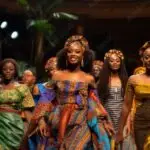
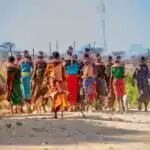
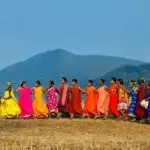
- Pictures or illustrations depicting Nigerian cultures
Rationale for the Lesson
Understanding diverse customs and beliefs promotes tolerance, respect, and peaceful coexistence in a multicultural society like Nigeria. This lesson lays a foundation for appreciating cultural diversity and building positive relationships.
Prerequisite/Previous Knowledge
The teacher will begin by asking pupils to share any traditions or special events they celebrate with their families. This will create a familiar context for discussing customs and beliefs from different cultures, fostering engagement and curiosity.
Lesson Content
Customs and Beliefs
Customs are things people do, like traditions and rituals, while beliefs are things people think are true, like religious or superstitious ideas.
Customs and Beliefs of Different Cultures in Nigeria
Customs and beliefs vary across Nigerian cultures, reflecting unique traditions and values.
Customs:
Customs are established ways of behaving or doing things in a particular society or community. These include:
- Yoruba Culture: Greetings involve kneeling or prostrating to show respect for elders. Conventional festivals like the “Eyo” festival feature people in white robes and colorful masks.Traditional festivals are a significant part of their culture.
- Igbo Culture: The “Igbo Landing” tradition tells of ancestors emerging from water. The “New Yam festival” celebrates the harvest. Traditional marriages involve elaborate ceremonies and gift exchanges.
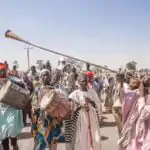
- Hausa Culture: known for colorful clothing, customs include the “Durbar Festival” with horse parades and traditional music and dance like the “Goruba” dance. The practice of arranged marriages is also common.
- Efik Culture: Display unique dances, dressing and food during traditional marriage ceremonies.
- Urhobo Culture: Have unique ways of greeting and celebrating the annual Okere Juju festival.
Beliefs:
Beliefs are convictions or acceptances that certain things are true or real. These include:
- Religious Beliefs: Nigeria has Christianity, Islam, and traditional African religions. Many people follow these faiths.
- Superstitions: Beliefs like avoiding black cats or broken mirrors for good luck, and using charms for protection are common. Belief in the power of dreams and omens is also prevalent.
- ancestral Worship: Some cultures honor ancestors, believing their spirits protect them, leading to rituals and ceremonies. this often involves offering prayers and sacrifices to the ancestors.
- Belief in Witchcraft: Some cultures believe in the existence of witchcraft and its influence on daily life.
- Belief in Traditional Medicine: Many Nigerians believe in the efficacy of traditional medicine and consult traditional healers for various ailments.
Teaching Methods
to deliver this lesson, the teacher will adopt the following methods: Discussion,Question and answer,Use of visuals
Instructional Procedures
To deliver this lesson,the teacher will adopt the following steps:
Step 1: Introduction
Time: 5 minutes
Teaching Skill: Set Induction
Teacher’s Activity: Briefly introduce the topic of customs and beliefs,using engaging questions to stimulate interest.
Pupils’ Activity: Respond to the teacher’s questions and share their initial thoughts on the topic.
Step 2: Clarification of Key Concepts
Time: 10 minutes
Teaching Skill: Clarification
Teacher’s Activity: clearly define “customs” and “beliefs,” providing simple examples relevant to the pupils’ experiences.Pupils’ Activity: Listen attentively and ask clarifying questions.
Step 3: Examples of Customs and Beliefs
Time: 10 minutes
Teaching Skill: Demonstration
teacher’s Activity: Present examples of customs and beliefs from different Nigerian cultures (Yoruba, Igbo, Hausa), using pictures or illustrations.
Pupils’ Activity: Observe the examples and participate in a guided discussion.
Step 4: Identifying Customs and Beliefs
Time: 5 minutes
Teaching Skill: Guided Practice
Teacher’s Activity: Ask pupils to identify customs and beliefs from their own cultures or those they know.
Pupils’ activity: Share their responses and participate in a class discussion.
Step 5: Note-Taking
Time: 5 minutes
Teaching Skill: Note-Taking
Teacher’s activity: Guide pupils in taking notes on key concepts and examples.
Pupils’ Activity: Write down critically important facts in their notebooks.
Step 6: Evaluation/Review
Time: 5 minutes
Teaching Skill: Questioning
Teacher’s Activity: Ask review questions to assess understanding.
Pupils’ Activity: Answer the questions to demonstrate their learning.
Objective-aligned checks:
- Describe the customs and beliefs of different cultures in Nigeria.
- Identify examples of customs and beliefs from various Nigerian cultures.
- Explain the importance of respecting diverse customs and beliefs.
Step 7: Conclusion
Time: 2 minutes
Teaching skill: Summarizing
Teacher’s Activity: Summarize the lesson and highlight the importance of respecting cultural diversity.
Pupils’ Activity: Listen attentively and ask any remaining questions.
Lesson Keywords
- Customs – Traditional and widely accepted ways of behaving or doing something in a specific society,place,or time.
- Beliefs – Acceptance that something exists or is true, especially without proof.
- Culture – The customs, arts, social institutions, and achievements of a particular nation, people, or group.
- Traditions – The transmission of customs or beliefs from generation to generation.
- rituals – A religious or solemn ceremony consisting of a series of actions performed according to a prescribed order.
Lesson evaluation
To evaluate the learning, the teacher asks pupils to:
- What are customs and beliefs?
- Give an example of a custom or belief from a different culture in Nigeria.
- Why is it important to understand and respect different customs and beliefs?
Observation:
- Pupil participation in discussions
- Accuracy of answers to evaluation questions
- Demonstrated understanding of key concepts
Assignment/Homework
- Research and write about a custom or belief from your own community or another Nigerian culture.
- Draw a picture illustrating a custom or belief discussed in class.
- Interview a family member about a tradition they cherish and share their insights in the next class.
Differentiation
- For slower learners: Provide one-on-one assistance and simplified explanations.
- For advanced learners: Encourage them to research and present additional examples of customs and beliefs from other nigerian cultures.
- For visual/auditory/kinesthetic learners: Use visual aids, discussions, and hands-on activities to cater to different learning styles.
Note for Teachers
Encourage pupils to share their own experiences and perspectives to create a more engaging and inclusive learning environment. Emphasize the importance of respecting cultural differences and avoiding stereotypes.
Community 2 comments Open discussion +