

class: Primary 4
Term: 3rd Term
Subject: National Values Education
Curriculum Theme: Social Studies
Previous lesson: Meaning, Types, Causes And Prevention Of Pollution
Topic: Meaning And Types Of Natural Disasters
Content/learning Area: Meaning of natural disasters, Types of natural disasters, Response to natural disasters
Time Allocation: 40 minutes
Performance Objectives
By the end of the lesson, pupils should be able to:
- Cognitive Domain: Explain what a natural disaster is.
- Affective Domain: Show concern for people affected by natural disasters.
- Psychomotor domain: List different types of natural disasters.
- Social Domain: Demonstrate how to respond when a natural disaster happens.
Reference Materials
The following resources were used in planning this lesson:
- 9 Years Basic Education Curriculum
- Abuja Educational Resource Center Scheme of Work
- NAPPS National Unified Scheme of Work
- online Details from: Wikipedia – Natural disaster
- Relevant Textbooks
Instructional Materials
to deliver this lesson, the teacher will employ the help of the following materials:
- Chart showing types of natural disasters
- Flashcards with pictures of disasters
- video clips of disaster situations
- Posters with safety tips
- whiteboard and marker
rationale for the Lesson
Understanding natural disasters helps pupils stay safe and know how to act during emergencies.
Prerequisite/Previous Knowledge
Pupils have learned about safety rules at home and school and are familiar with rainstorms and wind.
Lesson Content
Meaning and Types of Natural Disasters
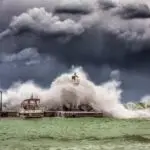
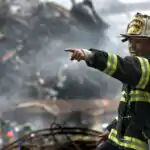
Natural disasters are sudden and dangerous events that happen in nature. They can cause harm to people, animals, and the surroundings. These events are not caused by humans.
Types of Natural Disasters
There are different kinds of natural disasters that happen in the world.
The following are:
- Flood
- Earthquake
- Hurricane
- Volcanic eruption
- Drought
- Tornado
- Wildfire
Response to Natural Disasters
When a natural disaster happens, people must know how to stay safe.
These include:
- Call for help quickly
- Move to a safe place
- Listen to news or warnings
- Help others in danger
- Avoid dangerous areas
Types, Effects and Safe Response
A natural hazard is a potentially harmful natural event; it becomes a disaster when it causes serious loss that a community cannot manage easily. Floods, droughts, severe storms, landslides, earthquakes and volcanic eruptions are examples, although their likelihood differs by place.
Warnings, safe building, clear drains, evacuation plans and emergency supplies reduce risk. During danger, follow official instructions, move to the designated safe place and call 112 when urgent help is needed and service is available.
Teaching Methods
To deliver this lesson, the teacher will adopt the following methods: Discussion, Explanation, storytelling, Visual Aids, Group Work
Instructional Procedures
To deliver this lesson, the teacher will adopt the following steps:
Step 1: Introduction
Time: 5min
Teaching Skill: Set Induction
Teacher’s Activity: Teacher asks pupils if they have seen flood or heavy storm in their area.
Pupils’ Activity: Pupils share their experiences.
Step 2: Meaning of Natural Disasters
Time: 5min
Teaching Skill: Explanation
Teacher’s Activity: Teacher explains what natural disasters are and how they happen.Pupils’ Activity: Pupils listen and ask questions.
Step 3: Types of Natural Disasters
Time: 8min
Teaching Skill: Visual Aids
Teacher’s Activity: Teacher uses flashcards and charts to show examples of natural disasters.
pupils’ Activity: Pupils identify each disaster from pictures.
Step 4: Response to Natural Disasters
Time: 7min
teaching Skill: Demonstration
Teacher’s Activity: Teacher explains how to stay safe during disasters and shows what to do.
Pupils’ Activity: Pupils role-play safe actions like taking cover and helping others.
Step 5: Note-Taking
Time: 5min
Teaching Skill: Writng
Teacher’s Activity: Teacher dictates short notes from the board.Pupils’ Activity: Pupils wriet in their notebooks.
Step 6: Evaluation/review
Time: 5min
Teaching skill: Questioning
Teacher’s Activity: Teacher asks review questions on the lesson.
Pupils’ Activity: Pupils answer and discuss.
Objective-aligned checks:
- Explain what a natural disaster is.
- Show concern for people affected by natural disasters.
- List different types of natural disasters.
Step 7: Conclusion
Time: 5min
Teaching Skill: Instructional/Cognitive/Social
Teacher’s Activity: Teacher summarizes lesson, praises pupils, and encourages safety.Pupils’ Activity: Pupils listen and respond positively.
Lesson Keywords
- Disaster – A bad event that causes damage
- Flood – too much water covering land
- Earthquake – Sudden shaking of the ground
- Hurricane – Strong storm with heavy wind and rain
- Safety – Being free from danger
Lesson Evaluation
To evaluate the learning, the teacher asks pupils to:
- what is a natural disaster?
- Mention three types of natural disasters.
- What should you do during a flood?
- How can you help someone during a disaster?
- List two things that cause natural disasters.
Assignment/Homework
- Draw pictures of three different types of natural disasters.
- Write down two safety tips for each disaster you drew.
- Ask your parents or guardians if they have ever experienced a natural disaster and write about their experiance.
Differentiation
- For slower learners: Teacher supports slower learners with picture aids.
- For advanced learners: Teacher gives advanced learners extra tasks like describing what to do in different disasters.
- For visual/auditory/kinesthetic learners: Use visual aids, discussions, and role-playing activities.
Note for Teachers
Use real-life examples from Nigeria to make the lesson relatable. Emphasize disaster safety and encourage group discussion.

Community Join the conversation Open discussion +