

Class: Primary 6
Term: 2nd Term
Subject: Pre-Vocational Studies
curriculum Theme: Home Economics
Previous Lesson: Meaning Of Seam
Topic: Types of Seam
Content/Learning Area: Types of seam, including open seam, French seam, run and fell seam, double-stitched seam, and bound seam.
Time Allocation: 40 minutes
Performance Objectives
By the end of the lesson, pupils should be able to:
- Cognitive Domain: Identify and explain the different types of seams.
- Affective Domain: Appreciate the importance of neat sewing in clothing construction.
- Psychomotor Domain: demonstrate how to sew at least one type of seam.
- Social Domain: Work in pairs to compare different seams and discuss their uses.
reference Materials
The following resources were used in planning this lesson:
- 9 – Years Basic education Curriculum
- Abuja Educational Resource Center Scheme of Work
- NAPPS national Unified Scheme of Work
- Online Facts from: Seam Apparel – Easy Guide for Different Types of Seam How to Use Them.
- Relevant textbooks
Instructional Materials
To deliver this lesson, the teacher will use the following materials:
- Fabric samples with different seam types
- Needles and threads
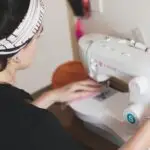
- Sewing machine (if available)
- Charts showing different seams
- Video exhibition (if possible)
Rationale for the Lesson
Seams are essential in sewing and garment making, as they hold fabric pieces together. Understanding different types of seams helps in creating strong, durable, and neatly finished clothing, which is a valuable life skill.
Prerequisite/Previous Knowledge
Pupils have learned about the meaning of a seam and its importance in sewing. They have also seen stitched fabric in their clothes and school uniforms.
Lesson Content
Types of Seams
A seam is a line of stitching that joins two pieces of fabric together. There are different types of seams, each used for different purposes. The following are some common types:
- Open Seam: This is a simple seam where two fabric pieces are sewn together and pressed open. It is commonly used in dressmaking.
- French Seam: A strong and neat seam where the fabric is first sewn with a small seam allowance, then turned and stitched again to enclose the raw edges.
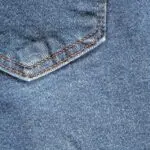
- Run and Fell Seam: This seam is stitched twice to make it strong and durable. It is often used in jeans and uniforms.
- Double-Stitched Seam: This seam is made with two rows of stitches for extra strength and is used in upholstery and heavy fabrics.
- Bound seam: This seam is finished with a binding to prevent fraying. It is indeed commonly found in high-quality garments and upholstery.
- Flat-Felled Seam: This seam encloses the raw edges within the folds, making it durable and ideal for garments that require frequent washing, like workwear and children’s clothing.
- Overlock Seam (Serged Seam): This seam uses an overlock machine to encase the fabric edges with thread, preventing fraying and providing a professional finish, commonly used in knit fabrics and ready-to-wear clothing.
Teaching Methods
To deliver this lesson, the teacher will adopt the following methods: Discussion, Demonstration, Explanation, visual Aids, Practical, questioning.
Instructional procedures
To deliver this lesson, the teacher will adopt the following steps:
Step 1: introduction
Time: 5 mins
Teaching Skill: Set Induction
Teacher’s activity: Asks pupils to check their clothes and describe the stitches holding them together.
Pupils’ Activity: Pupils respond by examining their clothes and answering.
Step 2: Explanation of Seams
Time: 10 mins
Teaching Skill: Explanation
Teacher’s Activity: Explains the meaning of a seam and different types using charts and real fabric samples.
Pupils’ activity: Listen attentively and observe fabric samples.
Step 3: Uses of Each Seam
Time: 5 mins
Teaching Skill: Explanation
teacher’s Activity: Discusses the uses of each seam type and why they are used in different garments.
Pupils’ Activity: Pupils participate in discussion and share examples.
Step 4: Demonstration
Time: 10 mins
Teaching Skill: Practical
Teacher’s Activity: Demonstrates how to sew an open seam using fabric and thread.
Pupils’ Activity: Pupils observe and take notes.
Step 5: Note-Taking
Time: 5 mins
Teaching Skill: Writing
Teacher’s activity: Dictates key points for pupils to copy.
Pupils’ Activity: Pupils write in their notebooks.
Step 6: Evaluation/Review
time: 3 mins
Teaching Skill: Questioning
Teacher’s Activity: Asks pupils to name and describe different types of seams.
Pupils’ activity: Pupils respond with their answers.
Objective-aligned checks:
- Identify and explain the different types of seams.
- demonstrate how to sew at least one type of seam.
- Work in pairs to compare different seams and discuss their uses.
Step 7: Conclusion
Time: 2 mins
Teaching Skill: Summary
Teacher’s Activity: Summarizes the lesson and gives homework on sewing a basic seam.
Pupils’ Activity: Pupils listen and ask final questions.
Lesson Keywords
- Seam – A line of stitching that joins two pieces of fabric together.
- Open Seam – A simple seam pressed open.
- French Seam – A strong, neat seam with enclosed raw edges.
- Run and Fell Seam – A durable seam stitched twice.
- Double-Stitched Seam – A seam with two rows of stitches for extra strength.
- Bound Seam – A seam finished with binding to prevent fraying.
Lesson Evaluation
To evaluate the learning, the teacher asks pupils to:
- What is a seam?
- Mention and explain three types of seams.
- Which type of seam is best for strong and durable clothing?
- Why is a French seam considered neat?
- Demonstrate how to sew an open seam.
Assignment/Homework
- Sew a sample of an open seam on a piece of fabric.
- Research and write down two additional types of seams not discussed in class.
- Explain where you might find a run and fell seam on a piece of clothing you own.
Differentiation
- For slower learners: Provide additional visual aids and allow them to feel different seam samples.
- For advanced learners: Encourage them to practice sewing seams at home and present their work in the next class.
- For visual/auditory/kinesthetic learners: Use videos, verbal explanations, and hands-on activities to cater to different learning styles.
note for Teachers
Ensure pupils have hands-on experience with different types of seams using fabric samples. Engage them with practical sewing activities to reinforce learning. Encourage teamwork and creativity in sewing. Happy teaching!
Community Join the conversation Open discussion +