

Class: Senior Secondary School 1 (SS1, SS 1, SSS1, SSS 1)
Term: 3rd Term
Week: 3
Age: 15 years
Duration: 45 minutes
Subject: Geography
Curriculum Theme: Geography
Previous Lesson: Interpretation of Physical and Cultural Features.
Topic: Transportation
Subject Matter: Definition of transportation, road transport, rail transport, water transport, air transport, pipeline transport, merits and demerits of transport types, importance of transportation, problems of transportation
Specific Objectives
By the end of the lesson, pupils should be able to:
Cognitive Domain:
- Define transportation.
- List various types of transportation.
- State the merits and demerits of different transport types.
- Explain the importance of transportation.
- Identify problems associated with transportation in Nigeria.
Affective Domain:
- Appreciate the role of an efficient transportation system in national development.
- Recognize the challenges faced by the transportation sector.
Psychomotor Domain:
- Sketch a map of Nigeria showing major rail routes and air transport points.
- Identify different transport types on maps and diagrams.
Social Domain:
- Discuss potential solutions to common transportation problems.
Reference Materials
The following resources were used in planning this lesson:
- 9 Years Basic Education Curriculum for Senior Secondary Schools.
- State Unified Scheme of Work for Geography (SSS 1).
- Adeleke, B.O. (2018). A Comprehensive Geography for Senior Secondary Schools. Johnson Publishers.
- Maps and atlases showing transport networks.
Instructional Materials
The teacher will teach this lesson with the aid of:
- Maps of Nigeria showing transport networks.
- Atlas.
- Films or pictures depicting various modes of transport.
- Drawing paper and pencils.
- Whiteboard/Chalkboard and markers/chalk.
Rationale for the Lesson
This lesson helps pupils understand how goods and people move from one place to another, which is a key part of daily life and economic activities. Understanding transportation systems enables pupils to appreciate their importance in connecting communities and supporting trade.
Prerequisite/Previous Knowledge
Pupils have basic knowledge of movement of goods and people from their everyday experiences and previous lessons on economic activities.
Lesson Content/Board Summary
Transportation
Definition of Transportation
Transportation refers to the movement of people, goods, and animals from one place to another. It involves various modes and infrastructure to facilitate this movement.
Types of Transportation
The following are the main types of transportation:
- Road Transport
- Rail Transport
- Water Transport
- Air Transport
- Pipeline Transport
Road Transport
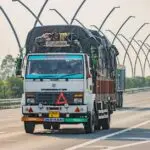
Road transport involves the movement of goods and people using vehicles such as cars, buses, and trucks on roads.
The merits of road transport include the following:
- Offers door-to-door service.
- Flexible in terms of routes and timings.
- Suitable for short and medium distances.
- Relatively cheaper for small quantities of goods.
The demerits of road transport include the following:
- Higher cost for long distances.
- Subject to traffic congestion and accidents.
- Limited carrying capacity compared to rail or water.
- Can be affected by poor road conditions.
Rail Transport
Rail transport involves the movement of goods and people using trains on railway tracks.
The merits of rail transport include the following:
- Suitable for carrying bulky and heavy goods over long distances.
- Generally safer than road transport.
- Less affected by weather conditions compared to air or water transport.
- More fuel-efficient for large volumes.
The demerits of rail transport include the following:
- Lacks flexibility, as it follows fixed routes.
- Requires high capital investment for construction and maintenance.
- Not suitable for door-to-door delivery, requiring additional transport.
- Slower speed compared to air transport.
Water Transport
Water transport involves the movement of goods and people using boats, ships, and ferries on water bodies like rivers, lakes, and oceans.
The merits of water transport include the following:
- Cheapest mode for carrying heavy and bulky goods over long distances.
- Requires less maintenance of ‘tracks’ (waterways).
- Environmentally friendly compared to other modes.
- Suitable for international trade.
The demerits of water transport include the following:
- Very slow compared to air and rail transport.
- Dependent on weather conditions and water levels.
- Not suitable for perishable goods requiring fast delivery.
- Limited to areas with water bodies.
Air Transport
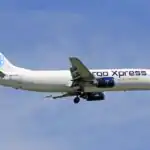
Air transport involves the movement of goods and people using aircraft such as planes and helicopters through the air.
The merits of air transport include the following:
- Fastest mode of transport, suitable for urgent deliveries.
- Ideal for transporting high-value and perishable goods.
- Can reach remote and inaccessible areas.
- High degree of comfort for passengers.
The demerits of air transport include the following:
- Most expensive mode of transport.
- Highly dependent on weather conditions.
- Limited carrying capacity for bulky goods.
- Requires high capital investment for infrastructure and aircraft.
Pipeline Transport
Pipeline transport involves the movement of liquids (like crude oil, refined petroleum products) and gases (like natural gas) through pipes.
The merits of pipeline transport include the following:
- Most economical for transporting liquids and gases over long distances.
- Continuous and uninterrupted supply.
- Safe and secure, with minimal loss or theft.
- Not affected by weather conditions.
The demerits of pipeline transport include the following:
- High initial cost of construction and installation.
- Not flexible; cannot be easily changed once laid.
- Limited to specific types of goods (liquids and gases).
- Maintenance can be challenging, especially for underground pipes.
Importance of Transportation
Transportation is important for the following reasons:
- Facilitates trade and commerce by moving goods to markets.
- Promotes economic development by connecting producers and consumers.
- Enables movement of labour to different workplaces.
- Enhances social interaction and cultural exchange.
- Supports national security through troop and equipment movement.
- Aids in disaster relief and emergency services.
Problems of Transportation in Nigeria
The following are common problems of transportation in Nigeria:
- Poor road network and maintenance.
- Inadequate funding for infrastructure development.
- Traffic congestion, especially in urban areas.
- High cost of transportation.
- Insecurity on roads (e.g., kidnapping, armed robbery).
- Limited intermodal connectivity.
- Outdated rail infrastructure.
- Poor maintenance of airports and seaports.
Teaching Methods/Instructional Techniques
Discussion, Lecture, Demonstration, Question and Answer, Visual Aids
Instructional Procedures
Step 1: Introduction
Time: 5 minutes
Teaching Skill: Set Induction
Teacher’s Activity: The teacher greets the pupils and asks them to mention different ways they travel to school or how goods are moved from one place to another. The teacher then links their responses to the topic of transportation.
Pupils’ Activity: Pupils respond by mentioning various means of transport they use or observe.
Learning Point: Pupils are introduced to the concept of transportation and its relevance.
Step 2: Definition of Transportation
Time: 5 minutes
Teaching Skill: Explanation/Definition
Teacher’s Activity: The teacher defines transportation and writes the definition on the board.
Pupils’ Activity: Pupils listen attentively and copy the definition into their notebooks.
Learning Point: Pupils understand the meaning of transportation.
Step 3: Types of Transportation
Time: 10 minutes
Teaching Skill: Demonstration/Explanation
Teacher’s Activity: The teacher uses maps, diagrams, and pictures to show and explain the different types of transportation (road, rail, water, air, pipeline). The teacher points out examples of each on the map of Nigeria.
Pupils’ Activity: Pupils observe the maps and pictures, identify the different types of transport, and ask questions for clarification.
Learning Point: Pupils can identify and differentiate between various types of transportation.
Step 4: Merits and Demerits of Transport Types
Time: 10 minutes
Teaching Skill: Discussion/Analysis
Teacher’s Activity: The teacher leads a discussion on the advantages (merits) and disadvantages (demerits) of each type of transportation, encouraging pupils to contribute their ideas based on their observations and knowledge.
Pupils’ Activity: Pupils actively participate in the discussion, stating merits and demerits for each transport type.
Learning Point: Pupils understand the pros and cons of different transportation modes.
Step 5: Importance of Transportation
Time: 5 minutes
Teaching Skill: Explanation
Teacher’s Activity: The teacher explains the overall importance of transportation to individuals, communities, and the nation, listing key points on the board.
Pupils’ Activity: Pupils listen and note the importance of transportation.
Learning Point: Pupils grasp the significance of transportation for development.
Step 6: Problems of Transportation in Nigeria
Time: 5 minutes
Teaching Skill: Problem Identification
Teacher’s Activity: The teacher discusses common problems faced by the transportation sector in Nigeria, such as poor infrastructure, traffic congestion, and insecurity.
Pupils’ Activity: Pupils listen, identify, and discuss the problems of transportation in Nigeria.
Learning Point: Pupils are aware of the challenges in Nigeria’s transportation system.
Step 7: Evaluation/Review
Time: 5 minutes
Teaching Skill: Questioning/Assessment
Teacher’s Activity: The teacher evaluates the learning by asking the following questions:
- Define transportation in your own words.
- List three types of transportation.
- State two merits and two demerits of water transport.
- Mention three reasons why transportation is important to a country.
- Identify two major problems affecting road transport in Nigeria.
Pupils’ Activity: Pupils answer orally and in writing.
Learning Point: Pupils demonstrate understanding of the lesson.
Step 8: Conclusion
Time: 5 minutes
Teaching Skill: Summarization/Consolidation
Teacher’s Activity: The teacher summarizes the key points of the lesson, emphasizing the interconnectedness of different transport types and their role in national development. The teacher assigns homework for pupils to sketch a map of Nigeria showing major rail routes and air transport points.
Pupils’ Activity: Pupils listen to the summary and note down the homework.
Learning Point: Pupils consolidate their learning and are given an activity to practice their skills.
Lesson Keywords
- Transportation – The movement of people, goods, and animals from one place to another.
- Road Transport – Movement using vehicles on roads.
- Rail Transport – Movement using trains on railway tracks.
- Water Transport – Movement using boats or ships on water bodies.
- Air Transport – Movement using aircraft through the air.
- Pipeline Transport – Movement of liquids and gases through pipes.
- Merits – Advantages or benefits.
- Demerits – Disadvantages or drawbacks.
Differentiation
For struggling learners, the teacher will provide simplified maps and diagrams, focusing on identifying the main types of transport and their basic functions. They will be encouraged to give simple examples from their local environment. For advanced learners, the teacher will encourage them to research and discuss the economic impacts of specific transportation projects in Nigeria or compare Nigeria’s transport system with that of another country.
Note for teachers using this lesson plan
Teachers should ensure they have updated maps and relevant visual aids to make the lesson engaging and practical. Encourage pupils to share their personal experiences with different modes of transport. Emphasize the real-world implications of efficient and inefficient transport systems on people’s lives and the economy. Allocate sufficient time for the map sketching activity, either in class or as homework, providing clear instructions and examples.
Community Join the conversation Open discussion +