

Class: Senior Secondary School 1 (SS1, SS 1, SSS1, SSS 1)
Term: 3rd Term
Week: 9
Age: 15 years
Duration: 45 minutes
Subject: Commerce
Curriculum Theme: Commerce
Previous Lesson: Ethical regulation and Key legal frameworks in commerce.
Topic: Transportation
Subject Matter: Meaning of transportation, importance of transportation, forms of transportation, road transport advantages and disadvantages, rail transport advantages and disadvantages, water transport advantages and disadvantages
Specific Objectives
By the end of the lesson, pupils should be able to:
Cognitive Domain:
- Define transportation.
- State the importance of transportation to trade and distribution.
- List forms of transportation.
- Explain advantages and disadvantages of road transport.
- Explain advantages and disadvantages of rail transport.
- Explain advantages and disadvantages of water transport.
Affective Domain:
- Show appreciation for safe and orderly use of transport facilities.
- Demonstrate positive attitude towards safety rules in transportation.
Psychomotor Domain:
- Classify given pictures of transport systems into road, rail, water, and air.
- Draw a simple table comparing advantages and disadvantages of three transport modes.
Social Domain:
- Work in groups to discuss transport modes commonly used in the community.
- Share ideas politely during class discussion and group presentations.
Reference Materials
The following resources were used in planning this lesson:
- 9 Years Basic Education Curriculum
- State Unified Scheme of Work
- Essential Commerce for Senior Secondary Schools (Trade and Distribution)
- Encyclopaedia Britannica: Transportation
- World Bank: Transport
- National Geographic: Transportation
Instructional Materials
The teacher will teach this lesson with the aid of:
- Transport pictures (road, rail, water, air)
- Charts showing forms of transportation
- Sample map showing roads, rail lines, and waterways (optional)
- Whiteboard/marker or chalkboard/chalk
- Comparison table template for class exercise
Rationale for the Lesson
Transportation is important because it helps goods and people move from one place to another for trade and daily activities. Understanding transport modes and their strengths and weaknesses helps pupils explain distribution and make better choices in real life.
Prerequisite/Previous Knowledge
Pupils have observed and used transport systems in their community and have basic knowledge of buying and selling.
Lesson Content/Board Summary
Transportation
Meaning of Transportation
Transportation is the movement of people and goods from one place to another using different means such as road, rail, water, and air.
Importance of Transportation
The following are importance of transportation:
- Helps distribution of goods from producers to consumers.
- Promotes trade by linking markets in different places.
- Reduces spoilage of perishable goods through faster delivery.
- Creates employment (drivers, sailors, railway workers, logistics workers).
- Encourages specialization and large-scale production by expanding markets.
- Facilitates movement of raw materials to factories and finished goods to buyers.
- Promotes national unity by connecting towns, states, and regions.
Forms of Transportation
The following are forms of transportation:
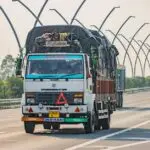
- Road transport: Movement by vehicles on roads (cars, buses, trucks, motorcycles).
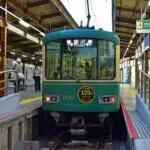
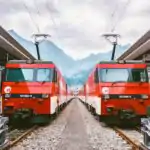
- Rail transport: Movement by trains on rail tracks.
- Water transport: Movement by boats/ships on rivers, lakes, and seas.
- Air transport: Movement by aircraft (planes, helicopters).
- Pipeline transport: Movement of liquids and gases through pipes (oil, gas, water).
Road Transport
Road transport is the movement of people and goods using vehicles on roads.
The following are advantages of road transport:
- Provides door-to-door delivery.
- Easy to arrange and available in many areas.
- Suitable for short distances and small consignments.
- Reaches rural areas where rail or water routes may not exist.
- Flexible routes and schedules.
The following are disadvantages of road transport:
- High risk of accidents and traffic congestion.
- Costly for long distances compared to rail and water.
- Limited carrying capacity compared to trains and ships.
- Roads can be damaged by weather, increasing delays.
- Higher vehicle maintenance and fuel costs.
Rail Transport
Rail transport is the movement of people and goods using trains on rail tracks.
The following are advantages of rail transport:
- Suitable for bulky and heavy goods over long distances.
- Lower cost per unit for large loads.
- Less affected by road traffic congestion.
- More reliable for scheduled movement.
- Reduced risk of accidents compared to road in many cases.
The following are disadvantages of rail transport:
- Not door-to-door; requires other transport for final delivery.
- Routes are fixed and not flexible.
- High cost of building and maintaining rail lines.
- May be limited in coverage, especially in rural areas.
- Delays can occur due to breakdowns and infrastructure challenges.
Water Transport
Water transport is the movement of people and goods using boats and ships on rivers, lakes, and seas.
The following are advantages of water transport:
- Cheapest means for very heavy and bulky goods over long distances.
- Suitable for international trade through seaports.
- Large carrying capacity for cargo.
- Lower fuel cost per unit compared to many other modes.
The following are disadvantages of water transport:
- Slow speed compared to road, rail, and air.
- Limited to areas with navigable waterways and ports.
- Affected by weather conditions and tides.
- Requires loading and unloading facilities, which can cause delays.
- Risk of damage to goods due to water exposure if not properly packaged.
Teaching Methods/Instructional Techniques
Discussion, Lecture, Demonstration, Question and Answer, Visual Aids
Instructional Procedures
Step 1: Introduction
Time: 5 minutes
Teaching Skill: Set Induction
Teacher’s Activity: The teacher displays pictures of vehicles, trains, and ships and asks pupils to identify them and state what they are used for. The teacher links responses to the topic and states lesson objectives.
Pupils’ Activity: Pupils identify the transport modes and mention how they are used in their community.
Learning Point: Transportation helps movement of people and goods from place to place.
Step 2: Meaning of Transportation
Time: 6 minutes
Teaching Skill: Explanation
Teacher’s Activity: The teacher explains the meaning of transportation and writes the definition on the board.
Pupils’ Activity: Pupils copy the definition and give one example of transportation they have used.
Learning Point: Transportation is the movement of people and goods from one place to another.
Step 3: Importance of Transportation
Time: 7 minutes
Teaching Skill: Question and Answer
Teacher’s Activity: The teacher guides discussion on how transportation supports trade and distribution and lists key points on the board.
Pupils’ Activity: Pupils mention reasons transportation is important and relate them to local trade activities.
Learning Point: Transportation promotes distribution, market expansion, and economic activities.
Step 4: Forms of Transportation
Time: 7 minutes
Teaching Skill: Demonstration/Classification
Teacher’s Activity: The teacher presents a chart and explains forms of transportation, including road, rail, water, air, and pipeline.
Pupils’ Activity: Pupils classify given examples/pictures into the correct transport forms.
Learning Point: Transportation has different forms used for different needs and environments.
Step 5: Road Transport (Advantages and Disadvantages)
Time: 6 minutes
Teaching Skill: Explanation
Teacher’s Activity: The teacher explains road transport and guides pupils to list advantages and disadvantages clearly.
Pupils’ Activity: Pupils give community examples and copy the listed points.
Learning Point: Road transport is flexible but can be costly and risky due to accidents and congestion.
Step 6: Rail and Water Transport (Advantages and Disadvantages)
Time: 7 minutes
Teaching Skill: Discussion
Teacher’s Activity: The teacher explains rail and water transport and guides pupils to compare their advantages and disadvantages with examples.
Pupils’ Activity: Pupils discuss in groups and complete a comparison table for rail and water transport.
Learning Point: Rail and water transport are suitable for heavy loads, but they have route and speed limitations.
Step 7: Evaluation/Review
Time: 5 minutes
Teaching Skill: Questioning/Assessment
Teacher’s Activity: The teacher evaluates the learning by asking the following questions:
- Define transportation.
- State four importance of transportation to trade and distribution.
- List four forms of transportation.
- State two advantages and two disadvantages of water transport.
Pupils’ Activity: Pupils answer orally and in writing.
Learning Point: Pupils demonstrate understanding of the lesson.
Step 8: Conclusion
Time: 1 minute
Teaching Skill: Summarization
Teacher’s Activity: The teacher summarizes the meaning, importance, forms of transportation, and advantages and disadvantages of road, rail, and water transport. The teacher gives a short assignment: write a table comparing road, rail, and water transport with two advantages and two disadvantages each.
Pupils’ Activity: Pupils copy the summary and assignment.
Learning Point: Transportation supports trade by moving goods and people efficiently using different modes.
Lesson Keywords
- Transportation – Movement of people and goods from one place to another.
- Distribution – Movement of goods from producers to consumers through channels.
- Road transport – Transportation using vehicles on roads.
- Rail transport – Transportation using trains on rail tracks.
- Water transport – Transportation using boats and ships on rivers and seas.
- Air transport – Transportation using aircraft.
- Pipeline transport – Transportation of liquids and gases through pipes.
Differentiation
Pupils who need support will use a guided table with headings already provided to fill in key points, while advanced learners will explain which transport mode best suits perishable goods, heavy goods, and urgent deliveries with reasons.
Note for teachers using this lesson plan
Use familiar local examples such as buses, motorcycles, boats, and any nearby rail or port facilities to make the lesson concrete. Keep advantages and disadvantages in clear bullet points so pupils can reproduce them easily in tests and examinations.

Community Join the conversation Open discussion +