

Class: Senior Secondary School 1 (SS1 / SSS 1)
Term: 2nd Term
Week: 1
Age: 15 years
Duration: 45 minutes
Subject: Dyeing and Bleaching
Curriculum Theme: Trade
Previous Lesson: .
Topic: SAFETY
Subject Matter: Safety precautions in dyeing, use of nose and mouth mask, use of hand gloves and apron, dangers of inhaling chemical fumes, safe handling during dyeing.
Specific Objectives
By the end of the lesson, pupils should be able to:
Cognitive Domain:
- Explain safety precautions to observe during dyeing.
- State the dangers of inhaling chemical fumes in dyeing.
- Identify safe handling practices for materials during dyeing.
Affective Domain:
- Appreciate the importance of safety measures in the dyeing process.
- Demonstrate carefulness when working with dyeing chemicals and materials.
Psychomotor Domain:
- Correctly use a nose mask, hand gloves, and apron during dyeing practicals.
- Apply safe handling techniques when working with dyeing equipment and chemicals.
Social Domain:
- Promote a safe working environment for themselves and others during practical sessions.
Reference Materials
The following resources were used in planning this lesson:
- 9 Years Basic Education Curriculum for Home Economics (Senior Secondary Education)
- State Unified Scheme of Work for Senior Secondary School 1 (SSS 1) Home Economics
- Akinwande, O. (2018). Dyeing and Bleaching for Senior Secondary Schools. Lagos: Educational Publishers Ltd.
- https://www.osha.gov/dyes-textile-industry
- https://www.cdc.gov/niosh/topics/textile/default.html
Instructional Materials
The teacher will teach this lesson with the aid of:
- Nose and mouth masks
- Rubber hand gloves
- Aprons
- Safety posters showing correct use of Personal Protective Equipment (PPE)
- Well-ventilated workspace or pictures of one
- Various dyeing chemicals (for demonstration, handled safely)
Rationale for the Lesson
This lesson helps pupils understand the importance of safety when working with dyes and chemicals. It enables them to protect themselves from harm and prevent accidents during practical dyeing activities, which is essential for their well-being and successful learning.
Prerequisite/Previous Knowledge
Pupils have a basic understanding of general classroom safety rules and the importance of hygiene.
Lesson Content/Board Summary
SAFETY IN DYEING
1. Definition of Safety Precautions
Safety precautions are actions taken to prevent accidents, injuries, or harm when carrying out a task, especially when working with potentially dangerous materials or equipment.
2. Importance of Safety Precautions in Dyeing
Observing safety precautions in dyeing is important for the following reasons:
- To prevent skin irritation and burns from chemicals.
- To avoid inhaling harmful chemical fumes that can damage the respiratory system.
- To protect eyes from chemical splashes.
- To prevent cross-contamination of food or other items with dyeing chemicals.
- To ensure a healthy and safe working environment.
3. Personal Protective Equipment (PPE) in Dyeing
Personal Protective Equipment (PPE) are items worn to minimize exposure to hazards that cause serious workplace injuries and illnesses. In dyeing, common PPE include:
- Nose and Mouth Masks: Used to prevent the inhalation of chemical fumes and dust particles.
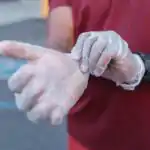
- Hand Gloves (Rubber Gloves): Used to protect hands from direct contact with dyes and chemicals, preventing skin irritation and absorption.
- Aprons: Worn over clothing to protect from splashes and spills of dyes and chemicals, keeping clothes clean and safe.
4. Dangers of Inhaling Chemical Fumes
Inhaling chemical fumes during dyeing can lead to several health problems:
- Respiratory issues such as coughing, shortness of breath, and asthma attacks.
- Irritation of the nose, throat, and lungs.
- Headaches, dizziness, and nausea.
- Long-term exposure can cause chronic respiratory diseases and other serious health conditions.
5. Safe Handling During Dyeing
To ensure safe handling of materials and chemicals during dyeing, the following practices should be observed:
- Work in a well-ventilated area to allow fumes to escape.
- Always read and follow instructions on chemical labels.
- Measure chemicals accurately to avoid excessive concentrations.
- Avoid eating, drinking, or smoking in the dyeing area.
- Keep chemicals in properly labelled containers and store them away from children and unauthorized persons.
- Dispose of chemical waste according to safety guidelines.
- Wash hands thoroughly with soap and water after handling chemicals, even if gloves were worn.
Teaching Methods/Instructional Techniques
Discussion, Lecture, Demonstration, Question and Answer, Visual Aids
Instructional Procedures
Step 1: Introduction
Time: 5 minutes
Teaching Skill: Set Induction
Teacher’s Activity: The teacher greets the pupils and asks them about the importance of safety in daily life, such as crossing the road or cooking. The teacher then relates this to the need for safety in practical subjects like dyeing.
Pupils’ Activity: Pupils respond to the questions and share their ideas on safety.
Learning Point: Pupils recall prior knowledge on safety and connect it to the lesson topic.
Step 2: Explanation of Safety Precautions in Dyeing
Time: 8 minutes
Teaching Skill: Explanation/Lecture
Teacher’s Activity: The teacher explains what safety precautions are and discusses their general importance in any practical activity, specifically relating it to dyeing. The teacher highlights why specific safety measures are needed when working with dyes and chemicals.
Pupils’ Activity: Pupils listen attentively and take notes.
Learning Point: Pupils understand the concept and general importance of safety precautions in dyeing.
Step 3: Discussion on Personal Protective Equipment (PPE)
Time: 10 minutes
Teaching Skill: Demonstration/Discussion
Teacher’s Activity: The teacher displays nose masks, hand gloves, and aprons. The teacher demonstrates how to correctly wear each item and explains the specific function of each piece of PPE in protecting the user during dyeing. Pupils are encouraged to ask questions.
Pupils’ Activity: Pupils observe the demonstration, ask questions, and practice wearing the PPE if materials are available.
Learning Point: Pupils learn about different PPE and how to use them correctly.
Step 4: Dangers of Inhaling Chemical Fumes
Time: 7 minutes
Teaching Skill: Explanation/Questioning
Teacher’s Activity: The teacher explains the specific dangers associated with inhaling chemical fumes found in dyeing agents. The teacher uses examples of common health issues that can arise from such exposure and emphasizes the role of good ventilation and masks.
Pupils’ Activity: Pupils listen, take notes, and contribute to the discussion by asking how to avoid such dangers.
Learning Point: Pupils understand the health risks of chemical fumes and the need for protection.
Step 5: Safe Handling During Dyeing
Time: 5 minutes
Teaching Skill: Instruction/Guidance
Teacher’s Activity: The teacher outlines key safe handling practices, such as working in a well-ventilated area, reading labels, proper storage, and disposal of chemicals. The teacher stresses the importance of personal hygiene after practicals.
Pupils’ Activity: Pupils listen and note down the safe handling guidelines.
Learning Point: Pupils learn practical steps for safe handling of dyeing materials.
Step 6: Practical Application/Reinforcement
Time: 5 minutes
Teaching Skill: Guided Practice
Teacher’s Activity: The teacher guides pupils to simulate a dyeing activity (without actual chemicals if not safe) and ensures they demonstrate the correct use of PPE and safe handling gestures. The teacher corrects any errors.
Pupils’ Activity: Pupils actively participate in the simulated activity, practicing safety measures.
Learning Point: Pupils apply learned safety precautions in a practical context.
Step 7: Evaluation/Review
Time: 5 minutes
Teaching Skill: Questioning/Assessment
Teacher’s Activity: The teacher evaluates the learning by asking the following questions:
- Define safety precautions in the context of dyeing.
- Mention three pieces of Personal Protective Equipment (PPE) used in dyeing and state their functions.
- List two dangers of inhaling chemical fumes during dyeing.
- State two safe handling practices to observe when working with dyeing chemicals.
Pupils’ Activity: Pupils answer orally and in writing.
Learning Point: Pupils demonstrate understanding of the lesson.
Step 8: Conclusion
Time: 2 minutes
Teaching Skill: Summarization
Teacher’s Activity: The teacher summarizes the key learning points on safety in dyeing and emphasizes that safety is everyone’s responsibility. The teacher assigns homework: research other safety measures in textile work.
Pupils’ Activity: Pupils listen to the summary and note down the homework.
Learning Point: Pupils consolidate their understanding of the lesson.
Lesson Keywords
- Safety Precautions – Actions taken to prevent accidents or harm.
- Personal Protective Equipment (PPE) – Items worn to minimize exposure to hazards.
- Chemical Fumes – Vapours released from chemicals that can be harmful when inhaled.
- Ventilation – The process of supplying or circulating fresh air to a space.
- Apron – A protective garment worn over clothing.
- Hand Gloves – Protective coverings for the hands.
- Nose Mask – A covering for the nose and mouth to filter air.
Differentiation
For pupils who grasp concepts quickly, the teacher can challenge them to identify additional safety measures beyond those discussed or research specific first-aid procedures for chemical exposure. For pupils needing more support, the teacher will provide simplified instructions, visual aids, and allow more time for practical demonstrations and hands-on practice with the PPE.
Note for teachers using this lesson plan
Ensure that actual chemicals are only used for demonstration by the teacher, and pupils handle them under strict supervision and only if appropriate safety measures and facilities are in place. Prioritize hands-on practice with PPE. Emphasize the long-term health implications of neglecting safety.



Community Join the conversation Open discussion +