

Class: Senior Secondary School 1 (SS1 / SSS 1)
Term: 3rd Term
Week: 9 – 10
Age: 15 years
Duration: 45 minutes
Subject: Dying and Bleaching
Curriculum Theme: Trade
Previous Lesson: .
Topic: PROJECT WORK ON TECHNIQUES OF TIE AND DYE; Need for practical works on the techniques discussed.
Subject Matter: need for practical work on tie and dye techniques, planning and preparing materials for each technique, executing practical works on techniques discussed, producing tie and dye under supervision, finishing by rinsing drying and neat presentation
Specific Objectives
By the end of the lesson, pupils should be able to:
Cognitive Domain:
- State the importance of practical work in learning tie and dye.
- Outline the steps in planning and preparing materials for tie and dye.
Affective Domain:
- Appreciate the value of hands-on experience in learning tie and dye techniques.
- Show willingness to follow safety measures during practical work.
Psychomotor Domain:
- Prepare materials correctly for various tie and dye techniques.
- Execute at least one tie and dye technique.
- Produce a finished tie and dye product.
- Perform the rinsing and drying processes accurately.
Social Domain:
- Work cooperatively with peers during practical sessions.
- Present their finished tie and dye products neatly.
Reference Materials
The following resources were used in planning this lesson:
- 9 Years Basic Education Curriculum (Senior Secondary Education)
- State Unified Scheme of Work for Dying and Bleaching (SSS 1)
- Introductory Technology for Senior Secondary Schools, Book 1
Instructional Materials
The teacher will teach this lesson with the aid of:
- Cotton fabrics
- Dyes
- Basins
- Hot water source
- Gloves
- Nose masks
- Aprons
- Strings
- Raffia
- Sticks
- Drying line
Rationale for the Lesson
Practical work in tie and dye helps pupils apply theoretical knowledge to create real products. This hands-on experience develops their skills and understanding of the dyeing process, preparing them for potential craft or entrepreneurial ventures.
Prerequisite/Previous Knowledge
Pupils have previously learned the theoretical aspects and various techniques of tie and dye.
Lesson Content/Board Summary
PROJECT WORK ON TECHNIQUES OF TIE AND DYE
Need for Practical Work on Tie and Dye Techniques
Practical work is essential for developing skills and understanding in tie and dye. It helps pupils to apply theoretical knowledge, identify common challenges, and learn problem-solving directly.
The importance of practical work includes:
- Reinforcing theoretical knowledge.
- Developing hands-on skills.
- Building confidence in executing techniques.
- Understanding material properties and dye reactions.
- Producing tangible products.
Planning and Preparing Materials for Tie and Dye
Proper planning and preparation are important for successful tie and dye projects.
Steps in planning and preparing materials:
- Fabric Selection: Choose suitable fabrics like cotton, rayon, or linen.
- Washing: Wash fabrics to remove sizing or impurities that can hinder dye absorption.
- Dye Selection: Select appropriate dyes (e.g., cold water dyes) and colors.
- Material Gathering: Collect all necessary tools such as strings, raffia, sticks, basins, gloves, nose masks, aprons, and a hot water source.
- Work Area Preparation: Set up a clean, well-ventilated workspace with protective coverings.
Executing Practical Works on Tie and Dye Techniques
This involves applying the chosen tie and dye techniques to the prepared fabric.
Common techniques include:
- Knotting: Tying knots directly into the fabric.
- Folding: Folding fabric into patterns (e.g., accordion, pleats).
- Crushing: Crumpling fabric randomly.
- Stitching: Sewing patterns into the fabric before dyeing.
- Binding/Tying: Using strings, raffia, or rubber bands to create resists.
Each technique creates unique patterns by preventing dye from reaching certain areas of the fabric.
Producing Tie and Dye Under Supervision
Pupils carry out the dyeing process under the guidance of the teacher to ensure safety and correct application.
Key aspects of production:
- Dye Preparation: Mixing dyes according to instructions.
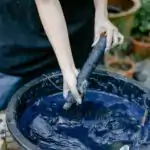
- Fabric Immersion: Soaking the tied fabric in the dye bath.
- Dyeing Time: Allowing sufficient time for the dye to penetrate.
- Safety: Wearing gloves, nose masks, and aprons to prevent skin contact and inhalation of fumes.
Finishing Tie and Dye Products
Finishing steps ensure the dye is set, excess dye is removed, and the product is ready for use or display.
The finishing process includes:
- Rinsing: Rinsing the dyed fabric thoroughly with cold water until the water runs clear.
- Untying: Carefully untying or removing all binding materials.
- Washing: Washing the fabric with mild soap to remove any remaining loose dye.
- Drying: Hanging the fabric to dry, preferably in a shaded, well-ventilated area to prevent fading.
- Presentation: Ironing and folding the finished product neatly.
Teaching Methods/Instructional Techniques
Discussion, Lecture, Demonstration, Question and Answer, Visual Aids
Instructional Procedures
Step 1: Introduction
Time: 5 minutes
Teaching Skill: Set Induction
Teacher’s Activity: The teacher greets the pupils and reviews the previous lesson on the theoretical aspects of tie and dye. The teacher then tells the pupils that today’s lesson will focus on practical application.
Pupils’ Activity: Pupils respond to greetings and recall previous knowledge.
Learning Point: Pupils recall prior knowledge and are prepared for the new lesson.
Step 2: Need for Practical Work
Time: 5 minutes
Teaching Skill: Explanation/Discussion
Teacher’s Activity: The teacher explains the importance of practical work in learning tie and dye, emphasizing that it helps to apply theory and develop hands-on skills. The teacher asks pupils to contribute reasons why practical work is useful.
Pupils’ Activity: Pupils listen and contribute their ideas on the importance of practical work.
Learning Point: Pupils understand why practical work is essential for mastering tie and dye.
Step 3: Planning and Preparation
Time: 7 minutes
Teaching Skill: Demonstration/Guidance
Teacher’s Activity: The teacher guides the pupils through the steps of planning and preparing materials for a tie and dye project, demonstrating how to select and wash fabric, and gather all necessary tools.
Pupils’ Activity: Pupils observe the teacher’s demonstration and ask questions about the preparation process.
Learning Point: Pupils learn the correct procedures for planning and preparing materials.
Step 4: Executing Techniques
Time: 10 minutes
Teaching Skill: Demonstration/Practical Application
Teacher’s Activity: The teacher demonstrates one or two tie and dye techniques (e.g., knotting, folding, or binding) using a small fabric sample. The teacher then supervises pupils as they begin to apply a chosen technique to their own fabrics.
Pupils’ Activity: Pupils observe the demonstration and then begin to execute the tie and dye techniques on their fabrics under supervision.
Learning Point: Pupils gain practical experience in applying tie and dye techniques.
Step 5: Production Under Supervision
Time: 8 minutes
Teaching Skill: Supervision/Monitoring
Teacher’s Activity: The teacher supervises pupils as they prepare the dye solutions and immerse their tied fabrics. The teacher ensures safety measures are followed, such as wearing gloves and aprons.
Pupils’ Activity: Pupils continue with the dyeing process, ensuring correct dye preparation and safe immersion of their fabrics.
Learning Point: Pupils correctly apply dyes and follow safety guidelines.
Step 6: Finishing Touches
Time: 5 minutes
Teaching Skill: Guidance/Instruction
Teacher’s Activity: The teacher instructs pupils on the finishing process, including how to rinse the fabric until the water runs clear, untie the binds, wash with mild soap, and hang to dry.
Pupils’ Activity: Pupils follow instructions to begin the rinsing process for their dyed fabrics.
Learning Point: Pupils learn the proper steps for finishing tie and dye products.
Step 7: Evaluation/Review
Time: 5 minutes
Teaching Skill: Questioning/Assessment
Teacher’s Activity: The teacher evaluates the learning by asking the following questions:
- State two reasons why practical work is important in learning tie and dye.
- Mention three materials needed for a tie and dye project.
- Outline two steps involved in planning for a tie and dye practical.
- Describe the finishing process for a tie and dye product after dyeing.
Pupils’ Activity: Pupils answer orally and in writing.
Learning Point: Pupils demonstrate understanding of the lesson.
Step 8: Conclusion
Time: 5 minutes
Teaching Skill: Summarization
Teacher’s Activity: The teacher summarizes the key aspects of the practical lesson, emphasizing the importance of skill development and safety. The teacher assigns pupils to complete the drying and final presentation of their tie and dye products as homework.
Pupils’ Activity: Pupils listen to the summary and note down the homework assignment.
Learning Point: Pupils consolidate their learning and are prepared for continued practical work.
Lesson Keywords
- Tie and Dye – A method of dyeing fabric by tying sections of it to prevent dye penetration, creating patterns.
- Practical Work – Hands-on application of theoretical knowledge to develop skills and create products.
- Dyeing – The process of imparting color to fabric using dyes.
- Rinsing – Washing fabric with water to remove excess dye and impurities.
- Finishing – The final steps in a production process, including washing, drying, and neat presentation.
Differentiation
The teacher will provide varied levels of support, offering closer guidance to pupils who require it and encouraging more independent work from those who are proficient. Practical tasks can be adapted in complexity to suit different learning paces and abilities.
Note for teachers using this lesson plan
This lesson plan provides a framework for teaching practical tie and dye techniques. Teachers should adapt the activities and resources to suit their specific classroom context, available materials, and pupils’ needs. Emphasize safety precautions throughout the practical session.


Community Join the conversation Open discussion +