

Class: Primary Two
Term: First Term
Subject: National Values Education
Curriculum Theme: Social Studies
Previous Lesson: Areas which social studies focuses, Scope of social Studies
Topic: Physical Environments
Content/Learning Area: Identifying different physical environments, Listing examples of physical environments
Time allocation: 40 minutes
Performance Objectives
By the end of the lesson, pupils should be able to:
- Cognitive Domain:
1. Identify different physical environments.
2. List three examples of physical environments.
3. Describe the characteristics of different physical environments.
- Affective Domain:
1. Show interest in learning about physical environments.2. Appreciate the importance of different physical environments.
- Psychomotor Domain:
1. Participate actively in class discussions.
2. Take notes on the lesson.
- Social Domain:
1. Work cooperatively with classmates.
2. share ideas and facts.
Reference Materials
- 9 – Years Basic Education Curriculum
- Abuja Educational resource Center Scheme of Work
- NAPPS National Unified Scheme of work
- Relevant Textbooks
Instructional Materials
To deliver this lesson, the teacher will use the following materials:
- Whiteboard or chart paper
- Markers or crayons
- Pictures or illustrations of different physical environments
Rationale for the Lesson
Understanding physical environments is crucial for appreciating the diversity of our planet and the importance of environmental conservation. This lesson lays the foundation for future learning about ecosystems and environmental responsibility.
Prerequisite/Previous Knowledge
Pupils have prior knowledge of the environment from the previous lesson.
Lesson Content
Physical Environments
A physical environment is where living and non-living things exist. There are many different types.
Deserts
Deserts are characterized by their aridity and extreme temperatures. Plants and animals living there have adapted to survive the harsh conditions. The following are some characteristics of deserts:
- Hot and dry climate
- Sandy or rocky terrain
- Sparse vegetation
- Specialized adaptations in plants and animals
- Low rainfall
Forests
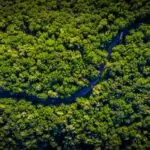
Forests are characterized by a high density of trees and meaningful rainfall. They produce oxygen, help control the climate, and are homes to many plants and animals. The following are some characteristics of forests:
- High density of trees
- Significant rainfall
- Rich biodiversity
- Significant role in climate regulation
- Source of timber and other resources
Fertile Environments
Fertile environments are characterized by rich soil and adequate rainfall, making them ideal for agriculture. They provide food for people and animals.The following are some characteristics of fertile environments:
- Rich, nutrient-dense soil
- Adequate rainfall
- Suitable for growing crops
- Supports a variety of plant and animal life
- Often located near water sources
Teaching Methods
To deliver this lesson, the teacher will adopt the following methods: Discussion, Question and answer, Visual aids
Instructional Procedures
To deliver this lesson, the teacher will adopt the following steps:
step 1: Introduction
Time: 5 minutes
Teaching Skill: Set Induction
Teacher’s Activity: Review previous lesson, introduce the topic of physical environments.
Pupils’ Activity: Respond to teacher’s questions, listen attentively.
Step 2: Description of Key Concepts
Time: 10 minutes
teaching Skill: Explaining
Teacher’s Activity: Define physical environment, explain the different types.
Pupils’ Activity: Listen attentively, take notes.
Step 3: Exhibition/guided Practice
Time: 10 minutes
Teaching Skill: demonstrating
Teacher’s Activity: Show pictures of deserts, forests, and fertile environments; explain their characteristics.
Pupils’ Activity: Observe, ask questions.
Step 4: Self-reliant Practice
Time: 5 minutes
Teaching Skill: monitoring
Teacher’s Activity: pupils work individually to list examples of each environment type.
Pupils’ Activity: List examples, complete worksheet.
Step 5: Note-Taking
Time: 5 minutes
Teaching Skill: Guiding
Teacher’s Activity: Guide pupils in summarizing key points.
Pupils’ Activity: Wriet notes in their notebooks.
Step 6: Evaluation/Review
Time: 5 minutes
Teaching Skill: Questioning
Teacher’s Activity: Ask evaluation questions.
Pupils’ Activity: Answer questions.
Objective-aligned checks:
- Identify different physical environments.
- List three examples of physical environments.
- Describe the characteristics of different physical environments.
Step 7: Conclusion
Time: 5 minutes
Teaching Skill: Summarizing
Teacher’s Activity: Summarize the key points and assign homework.
Pupils’ Activity: Listen attentively and note homework.
Lesson Keywords
- Physical environment – The surroundings in which living and non-living things exist.
- Desert – A hot, dry area with little rainfall.
- Forest – An area with a high density of trees.
- Fertile Environment – An area with rich soil suitable for farming.
Lesson Evaluation
To evaluate the learning,the teacher asks pupils to:
- What is a physical environment?
- Describe a desert.
- Describe a forest.
- Why are fertile areas good for farming?
- Give three examples of physical environments.
Assignment/Homework
- Draw yoru favorite type of physical environment.
- List three animals that live in the desert.
- Name two crops that grow well in fertile environments.
differentiation
- For slower learners: provide one-on-one assistance and simplified explanations.
- For advanced learners: Encourage further research and exploration of different physical environments.
- for visual/auditory/kinesthetic learners: use visual aids, discussions, and hands-on activities to cater to different learning styles.
Note for Teachers
Ensure to use real-life examples and visual aids to enhance understanding. Encourage pupils to share their personal experiences related to different physical environments.



Community Join the conversation Open discussion +