

Class: Junior Secondary School 1 (JSS1, JSS 1)
Term: 1st Term
Week: 3
Age: 12 years
Duration: 45 minutes
Subject: National Value Education
Curriculum Theme: Social Studies
Previous Lesson: Objectives and Importance of Social Studies
Topic: Physical Environment
Subject Matter: Meaning, Types And Features
Specific Objectives
By the end of the lesson, pupils should be able to:
- Cognitive Domain:
(a) Explain the meaning of physical environment.
(b) Identify the types of physical environment.
(c) State the features of each type of physical environment. - Affective Domain:
(a) Appreciate the importance of caring for the physical environment.
(b) Develop positive values toward environmental preservation. - Psychomotor Domain:
(a) Draw simple sketches to represent different physical environments.
(b) Demonstrate proper ways of maintaining a clean environment. - Social Domain:
(a) Work in groups to discuss types of environments in their community.
(b) Share ideas on how to improve and protect their surroundings.
Reference Materials
The following resources were used in planning this lesson:
- 9 Years Basic Education Curriculum
- Lagos State Unified Scheme of work for Junior Secondary Schools
- Merriam-Webster – PHYSICAL ENVIRONMENT Definition & Meaning
- Relevant Textbooks
Instructional Materials
The teacher will teach this lesson with the aid of:
- Pictures or charts showing different environments (forests, deserts, cities, villages)
- Maps and atlases
- Flash cards with keywords (Environment, Physical, Natural, Man-made)
- Short video clips of various environments
- Whiteboard and markers
Rationale for the Lesson
This lesson will help pupils understand the concept of physical environment, recognize its types and features, and develop a sense of responsibility towards protecting it.
Prerequisite/Previous Knowledge
Pupils live in different surroundings and already have informal experiences with their physical environment such as rivers, farms, roads, buildings, and markets.
Lesson Content/Board Summary
Physical Environment
Meaning of Physical Environment
The physical environment refers to all the natural and man-made surroundings in which people live, work, and interact. It includes everything that can be seen around us such as land, water, air, plants, animals, and buildings.
Types of Physical Environment
The physical environment can be broadly grouped into two main types based on its origin.
The following are the types of physical environment:
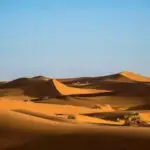
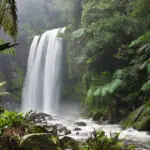
- Natural Environment – This includes features created by nature without human effort such as mountains, rivers, valleys, forests, deserts, oceans, animals, and climate.
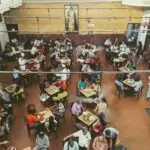
- Man-made (Artificial) Environment – This consists of features built or modified by humans to make life easier such as houses, roads, bridges, schools, markets, and industries.
Features of the Physical Environment
Each type of environment has unique features that make it important and useful to human life.
The following are the features of the physical environment:
- The natural environment provides fresh air, water, soil, forests, and wildlife.
- It supports farming, fishing, and other natural resources for survival.
- The man-made environment provides shelter, transportation routes, and places for trade.
- It shows human creativity in constructing roads, houses, schools, and industries.
- Both types of environment influence human activities and lifestyles.
Teaching Methods/Instructional Techniques:
Lecture, Discussion, Explanation, Demonstration, Question and Answer, Group Work, Storytelling, Use of Visual Aids
Instructional Procedures
To deliver this lesson, the teacher will adopt the following steps:
Step 1: Introduction
Time: 5 minutes
Teaching Skill: Set Induction
Teacher’s Activity: Teacher asks pupils to describe what they see around their homes, schools, and communities. The teacher connects responses to the concept of environment.
Pupils’ Activity: Pupils describe their surroundings such as trees, roads, rivers, houses, and markets.
Learning Point: Pupils are introduced to the concept of physical environment.
Step 2: Meaning of Physical Environment
Time: 7 minutes
Teaching Skill: Explanation
Teacher’s Activity: Teacher defines physical environment and explains that it includes both natural and man-made features.
Pupils’ Activity: Pupils listen and take notes while responding to guiding questions.
Learning Point: Pupils understand the meaning of physical environment.
Step 3: Types of Physical Environment
Time: 10 minutes
Teaching Skill: Discussion
Teacher’s Activity: Teacher discusses the two main types of physical environment with examples, showing charts or pictures.
Pupils’ Activity: Pupils identify examples of natural and man-made environments from their community.
Learning Point: Pupils can differentiate between natural and man-made environments.
Step 4: Features of the Physical Environment
Time: 10 minutes
Teaching Skill: Explanation
Teacher’s Activity: Teacher explains the features of each type of environment and highlights their importance to human life.
Pupils’ Activity: Pupils listen, take notes, and mention features of their local environment.
Learning Point: Pupils identify the features of natural and man-made environments.
Step 5: Note-Taking
Time: 5 minutes
Teaching Skill: Explanation
Teacher’s Activity: Teacher dictates or writes the board summary for pupils to copy.
Pupils’ Activity: Pupils copy notes into their exercise books.
Learning Point: Pupils have a record of the lesson content.
Step 6: Evaluation/Review
Time: 5 minutes
Teaching Skill: Questioning
Teacher’s Activity: The teacher evaluates the learning by asking the following questions:
- Define physical environment.
- State two types of physical environment.
- Mention three features of the physical environment.
Pupils’ Activity: Pupils respond orally to the teacher’s questions.
Learning Point: Pupils demonstrate understanding of the lesson objectives.
Step 7: Conclusion
Time: 3 minutes
Teaching Skill: Reinforcement
Teacher’s Activity: Teacher summarizes the lesson, emphasizes the need to care for both natural and man-made environments, and encourages pupils to keep their surroundings clean.
Pupils’ Activity: Pupils listen and ask questions where necessary.
Learning Point: Pupils appreciate the importance of protecting the physical environment.
Home Task: Write a short, evidence-based paragraph about one safe and relevant example of Physical Environment.
Lesson Keywords
- Environment – everything surrounding us
- Natural – created by nature, not by humans
- Artificial – made by humans to improve living conditions
- Features – special qualities or characteristics of something
- Surroundings – things or conditions around a person or place
Differentiation
Teacher provides extra guidance with visual aids for pupils who may struggle with abstract concepts, while advanced learners are encouraged to give more examples from their local environment.
Note for teachers using this lesson plan
Relate the lesson to pupils’ immediate environment for better understanding. Use real-life examples they can see or experience daily. Ensure pupils take part actively in discussions.

Community Join the conversation Open discussion +