

Class: Primary Two
Term: First Term
Subject: Basic Science and Technology
Curriculum Theme: Physical & Health education
Previous Lesson: Safety Rules in Long Jump
topic: Health Benefits of Simple Jumps
Content/Learning Area: Health benefits of simple Jumps, Role of Jumping in Staying fit
Time Allocation: 40 minutes
Performance Objectives
By the end of the lesson, pupils should be able to:
- Cognitive Domain:
1. mention three health benefits of simple jumps.
2. Explain the importance of regular jumping for staying fit.
- Psychomotor domain:
1. Perform simple jumps correctly.
- Affective Domain:
1. Appreciate the importance of regular exercise.2. Show enthusiasm for participating in physical activities.
- Social Domain:
1. Cooperate with peers during jumping activities.
Reference Materials
- 9 – Years Basic Education curriculum
- Abuja educational Resource Center Scheme of Work
- NAPPS National Unified Scheme of Work
- Relevant Textbooks
Instructional Materials
To deliver this lesson, the teacher will use the following materials:
- Whiteboard or chart paper
- Markers or crayons
- Pictures or videos of children jumping
Rationale for the Lesson
This lesson is crucial for promoting healthy habits from a young age. Understanding the benefits of simple jumps encourages physical activity and contributes to overall well-being, impacting their health positively in the future.
Prerequisite/Previous Knowledge
Pupils are familiar with basic physical activities and playtime routines.
Lesson Content
Health Benefits of Simple Jumps
Jumping is a fun and easy exercise with many health benefits. it’s a great way to improve our bodies.
Stronger Bones and Muscles
Jumping makes our muscles work hard to lift us. This strengthens our bones and muscles, making them less likely to break or get injured. Think of it like building strong houses with bricks!
Improved Heart Health
Jumping gets our hearts pumping, improving blood flow and strengthening our heart muscles. This helps reduce the risk of heart problems.
Increased Energy and Happiness
Jumping releases endorphins, hormones that make us feel happy and energetic. It’s like a natural mood booster!
Weight Management
Jumping helps burn calories, which can aid in maintaining a healthy weight.
Better Coordination
Regular jumping improves body coordination and balance.
Role of Jumping in staying Fit
Jumping is a fantastic way to stay fit and healthy. It’s fun and can be done anywhere.There are many types of jumps, like jumping jacks and hopping.
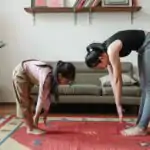
It’s notable to warm up before jumping to avoid injuries. Light stretching or jogging helps prepare our bodies. Always listen to your body; if you feel pain,stop and rest.
Importance of Warming Up
Warming up prepares the muscles and joints for activity, reducing the risk of strains and sprains.
Listening to Your body
It’s crucial to pay attention to any discomfort or pain during exercise and to stop if necessary to prevent injuries.
Staying Hydrated
Drinking water before, during, and after jumping helps maintain energy levels and prevents dehydration.
Teaching Methods
To deliver this lesson, the teacher will adopt the following methods: Discussion, Exhibition, Question and answer.
Instructional Procedures
To deliver this lesson, the teacher will adopt the following steps:
Step 1: Introduction (Set Induction)
Time: 5 minutes
Teaching Skill: Questioning
Teacher’s Activity: Ask pupils about their favorite playtime activities and introduce the topic of jumping.
Pupils’ Activity: Share their playtime activities and listen to the introduction.
Step 2: Clarification of Key Concepts
Time: 10 minutes
Teaching Skill: Explaining
Teacher’s Activity: Explain the health benefits of simple jumps using visuals and examples.
Pupils’ activity: Listen attentively and ask questions.
Step 3: Demonstration/Guided practice
time: 10 minutes
Teaching Skill: Demonstrating
Teacher’s Activity: Demonstrate different types of simple jumps and guide pupils in practicing.
Pupils’ Activity: Observe the demonstration and practice jumping under guidance.
Step 4: Self-reliant Practice
Time: 5 minutes
Teaching Skill: Monitoring
Teacher’s Activity: Supervise pupils as they independently practice jumping.
Pupils’ activity: Practice jumping independently.
step 5: Note-Taking
Time: 5 minutes
Teaching Skill: summarizing
Teacher’s Activity: Summarize the key points of the lesson and encourage pupils to take notes.
Pupils’ Activity: take notes on the key points.
Step 6: Evaluation/Review
Time: 5 minutes
Teaching Skill: Questioning
Teacher’s Activity: Ask evaluation questions to assess understanding.
Pupils’ Activity: answer the evaluation questions.
Objective-aligned checks:
- mention three health benefits of simple jumps.
- Explain the importance of regular jumping for staying fit.
- Perform simple jumps correctly.
Step 7: Conclusion
Time: 2 minutes
Teaching Skill: Summarizing
Teacher’s Activity: Summarize the key points and encourage pupils to continue practicing jumping as a fun and healthy activity. Praise their participation and effort.
Pupils’ activity: Listen to the summary and respond positively.
Lesson Keywords
- Jumping – An exercise involving leaping off the ground.
- Health Benefits – Positive effects on the body’s well-being.
- Fitness – The condition of being physically healthy and strong.
- Warm-up – Preparatory exercises to prevent injury.
- Endorphins – Hormones that promote feelings of happiness.
Lesson Evaluation
To evaluate the learning, the teacher asks pupils to:
- what are three health benefits of simple jumps?
- How does jumping help strengthen our bones and muscles?
- Why is warming up before jumping important?
- Name some different types of jumps.
- What should you do if you feel pain while jumping?
Assignment/Homework
- Practice simple jumps for 5 minutes every day this week.
- Write down three reasons why you enjoy jumping.
- Ask a family member to jump with you and share the experience in class next week.
differentiation
- for slower learners: Provide one-on-one assistance during jumping practice.
- For advanced learners: Introduce more complex jumping exercises.
- For visual/auditory/kinesthetic learners: Use pictures, verbal instructions, and hands-on demonstrations to cater to different learning styles.
Note for Teachers
Ensure pupils warm up properly before jumping to prevent injuries. Monitor pupils closely during practice and provide encouragement and support as needed. Emphasize the importance of listening to their bodies and stopping if they feel pain.



Community Join the conversation Open discussion +