

Class: Primary Two
Term: Third Term
Subject: Basic Science and Technology
Curriculum Theme: Physical & Health Education
previous Lesson: Basic Skills In Swimming
Topic: Benefits of Swimming
Content/Learning Area: What are the Benefits of Swimming?, Improves Health, Enhances Muscle Tone and Strength, Improves Versatility, Provides a Fun Way to Socialize, Relieves Stress
Time Allocation: 40 minutes
Performance Objectives
By the end of the lesson, pupils should be able to:
- Cognitive Domain:
- List two benefits of swimming.
- Affective Domain:
- show increased interest and appreciation for swimming as a healthy activity.
- Psychomotor Domain:
- Demonstrate basic pretend swimming movements.
- Social Domain:
- Discuss swimming experiences or interest with peers.
Reference Materials
- 9 – Years Basic Education Curriculum
- Abuja educational Resource Center Scheme of Work
- NAPPS National Unified Scheme of Work
- Relevant Textbooks
Instructional materials
To deliver this lesson, the teacher will use the following materials:
- Whiteboard or chart
- Markers or chalk
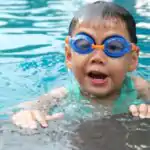
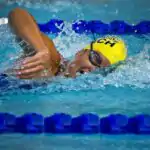
- Pictures or videos of people swimming
Rationale for the Lesson
This lesson introduces pupils to the health benefits of swimming and encourages a healthy lifestyle, helping them make informed choices about their well-being.
Prerequisite/Previous Knowledge
Pupils have likely seen or heard about swimming.
Lesson Content
What are the Benefits of Swimming?
Swimming is a fantastic way to stay healthy and have fun. It offers many advantages:
Improves Health
Swimming provides numerous health benefits. Thes include:
- Swimming strengthens the heart and lungs.
- It improves blood flow and lowers the risk of heart problems.
- it helps in weight management and reduces the risk of obesity.
- It can improve sleep patterns and reduce insomnia.
enhances Muscle Tone and Strength
Swimming is an excellent way to build muscle tone and strength. These include:
- Regular swimming builds strong muscles and stamina.
- It effectively works many major muscle groups (arms, legs, back, and core).
- It increases overall body strength and endurance.
- It improves posture and balance.
Improves Flexibility
Swimming’s wide range of motion keeps joints and ligaments flexible. These include:
- Swimming’s wide range of motion keeps joints and ligaments flexible.
- It’s a gentle exercise, easy on the joints.
- It reduces stiffness and improves joint mobility.
- It helps prevent injuries by increasing range of motion.
Provides a fun Way to Socialize
Swimming is enjoyable with friends and family. These include:
- Swimming is enjoyable with friends and family.
- It’s a great way to meet new people.
- It promotes teamwork and cooperation in group swimming activities.
- it enhances social skills and dialog.
Relieves Stress
Being in water is relaxing and reduces stress. These include:
- Being in water is relaxing and reduces stress.
- The water supports your body, easing stress on joints.
- It releases endorphins, which have mood-boosting effects.
- It provides a calming and meditative experience.
Teaching Methods
To deliver this lesson, the teacher will adopt the following methods: Discussion, Presentation, Question and Answer.
Instructional Procedures
To deliver this lesson, the teacher will adopt the following steps:
Step 1: Introduction (Set Induction)
Time: 5 minutes
Teaching Skill: Questioning, engaging
Teacher’s activity: Ask pupils if they know what swimming is and if they have ever swum. Show pictures or a short video of people swimming.
Pupils’ Activity: Respond to the teacher’s questions and watch the video/pictures.
Step 2: Explanation of Key Concepts
Time: 10 minutes
Teaching Skill: Explaining, Clarifying
Teacher’s Activity: Explain the benefits of swimming, using simple language and examples.
Pupils’ Activity: Listen attentively and ask questions.
Step 3: Demonstration/Guided Practice
Time: 10 minutes
Teaching skill: demonstrating, guiding
Teacher’s activity: Demonstrate basic swimming movements. Guide pupils to mimic the movements.
Pupils’ Activity: Mimic the teacher’s swimming movements.
Step 4: Self-Reliant Practice
Time: 5 minutes
Teaching Skill: observing, Monitoring
Teacher’s Activity: Observe pupils as they practice swimming movements independently.
Pupils’ Activity: Practice swimming movements independently.
Step 5: Note-Taking
Time: 5 minutes
Teaching Skill: Summarizing, Guiding
Teacher’s Activity: Guide pupils to write down two benefits of swimming.
Pupils’ Activity: Write down two benefits of swimming.
Step 6: Evaluation/Review
Time: 5 minutes
Teaching Skill: Questioning, Assessing
Teacher’s Activity: Ask evaluation questions to assess pupils’ understanding.
Pupils’ Activity: Answer the evaluation questions.
Objective-aligned checks:
- List two benefits of swimming.
- show increased interest and appreciation for swimming as a healthy activity.
- Demonstrate basic pretend swimming movements.
Step 7: Conclusion
Time: 2 minutes
Teaching Skill: Summarizing, Encouraging
teacher’s activity: Summarize the key benefits of swimming and encourage pupils to try swimming. Praise pupils for their participation.
Pupils’ Activity: Listen to the summary and respond positively.
Lesson Keywords
- Swimming – Moving through water using arms and legs.
- Health – The state of being free from illness or injury.
- Muscles – Tissues that produce movement in the body.
- Flexibility – The ability to move joints and muscles easily.
- Stress – A feeling of emotional or physical tension.
Lesson Evaluation
To evaluate the learning, the teacher asks pupils to:
- Name two ways swimming helps your body.
- How can swimming help you make new friends?
- Show me how you would swim.
- What other water activities do you know?
- Why is learning to swim crucial?
Assignment/Homework
- Ask your parents if you can go swimming.
- Draw a picture of yourself swimming.
- Write down one new thing you learned about swimming today.
Differentiation
- For slower learners: Provide one-on-one assistance and use simpler language.
- for advanced learners: Encourage them to research and present additional benefits of swimming.
- For visual/auditory/kinesthetic learners: Use visual aids, verbal explanations, and hands-on activities to cater to different learning styles.
Note for Teachers
Ensure to use visual aids and demonstrations to make the lesson engaging. Encourage pupils to share their experiences and ask questions to foster a deeper understanding of the benefits of swimming.

Community Join the conversation Open discussion +